|
||||||||||||||||||||||
 |
||||||||||||||||||||||
![F-22A Raptor, FB-22, F-22E, F-22N and Variants Index Page [Click for more ...]](APA/f-fb-22.png "F-22A Raptor, FB-22, F-22E, F-22N and Variants Index Page [Click for more ...]") |
 |
![People's Liberation Army Air Power Index Page [Click for more ...]](APA/pla-air-pwr.png "People's Liberation Army Air Power Index Page [Click for more ...]") |
 |
 |
 |
 |
 |
 |
![Military Ethics, Culture, Education and Training Index Page [Click for more ...]](APA/ethx-culture.png "Military Ethics, Culture, Education and Training Index Page [Click for more ...]") |
 |
||||||||||||
 |
![Russian / Soviet Weapon Systems Index Page [Click for more ...]](APA/rus-weps.png "Russian / Soviet Weapon Systems Index Page [Click for more ...]") |
 |
 |
 |

|
 |
 |
 |
 |
 |
||||||||||||
 |
 |
|||||||||||||||||||||
| Last Updated: Mon Jan 27 11:18:09 UTC 2014 | ||||||||||||||||||||||
|
||||||||||||||||||||||







Sukhoi Su-33 and Su-33UB Flanker DShenyang J-15 Flanker D |
|
| by
Dr Carlo Kopp, AFAIAA, SMIEEE, PEng June, 2008 Updated April, 2012 Text, Line Art © 2004 - 2012 Carlo Kopp |
|
 |
|
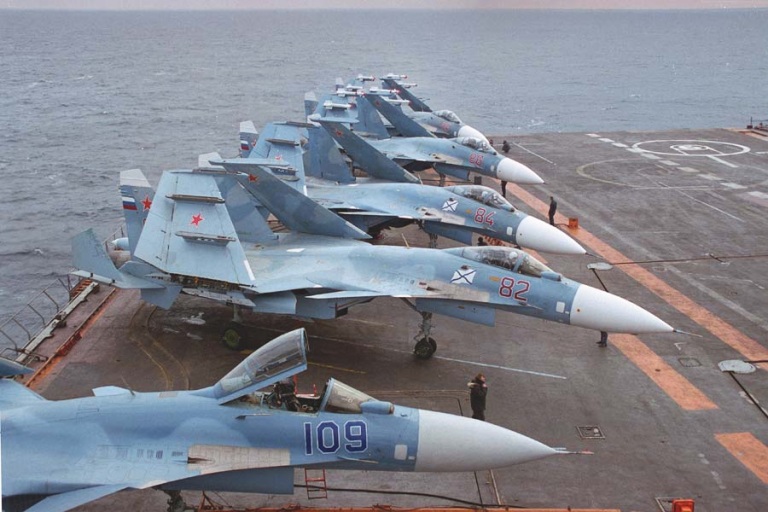 Sukhoi Su-33 Flanker D on a carrier flight deck (KnAAPO). |
|
|
|
|
IntroductionWith the PLA-N now in the process of rebuilding the carrier Varyag to provide a training and limited operational capability, the Su-33 and Su-33UB Flanker D variants have been identified as the type intended to arm this vessel. This analysis is an updated and expanded version of the original 2004 analysis. |
|
|
|
References
|
|
Sukhoi
Su-27K/Su-33 Flanker D and Su-27KUB / Su-33UB Imagery
|
|
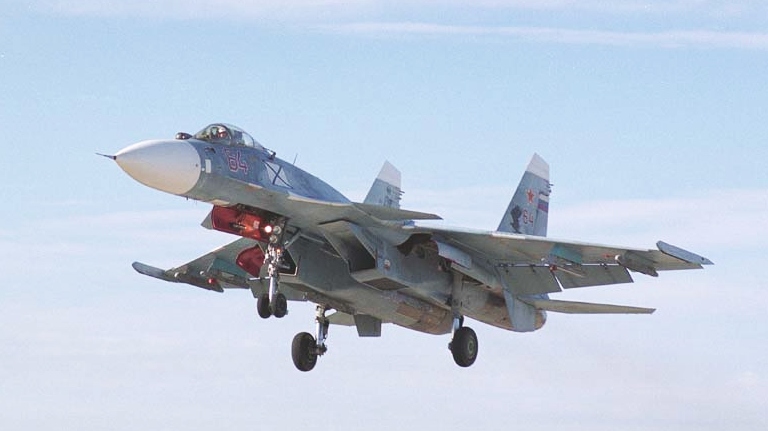 Carrier
operations have required significant redesign of the Flanker B into the
tailhook equipped Flanker D.
|
|
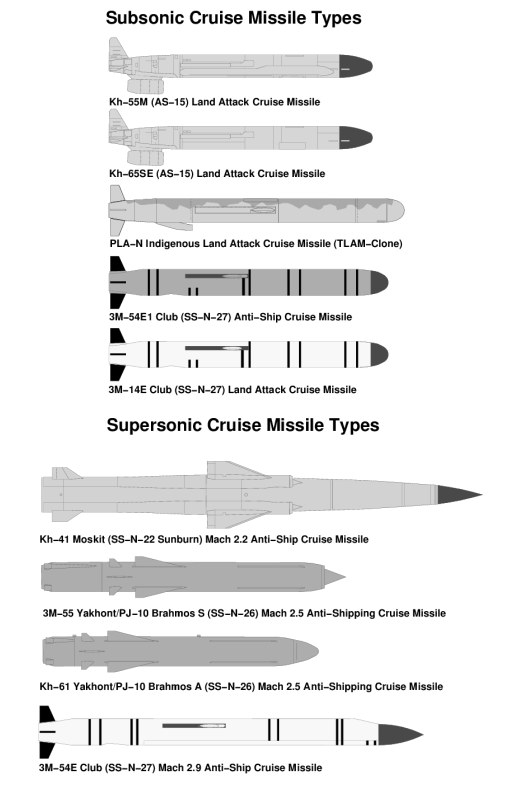 Cruise
missiles integrated on
or proposed for the Flanker (Author).
|
|
|
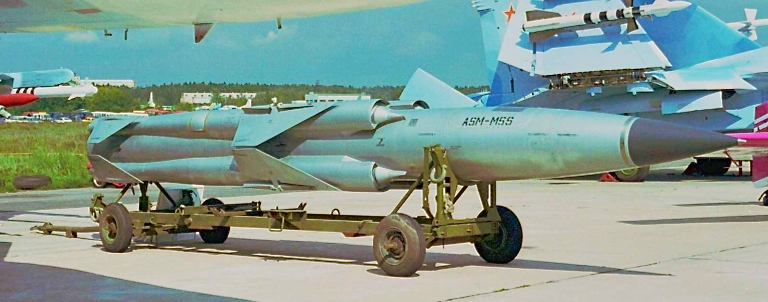
Kh-61
Yakhont on Su-33 Flanker D. Note the centreline Kh-41 Moskit / Sunburn.
Kh-41
Sunburn. China deploys the supersonic ramjet 3M-82 Moskit on
its Sovremmeniy DDGs, the air launched ASM-MSS/Kh-41 variant has been
integrated on the Su-30 series, via the Su-33. Below launch from Sovremmeniy DDG (Rosoboronexport).
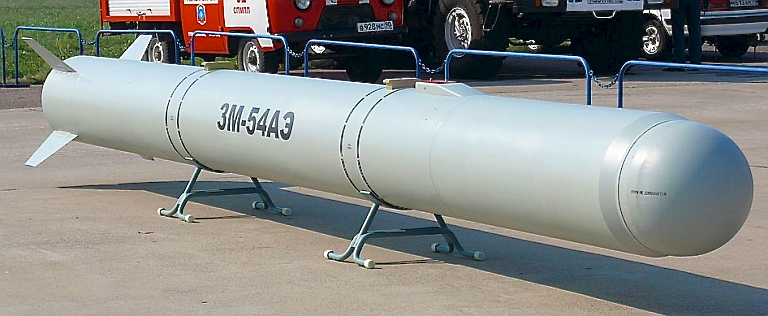
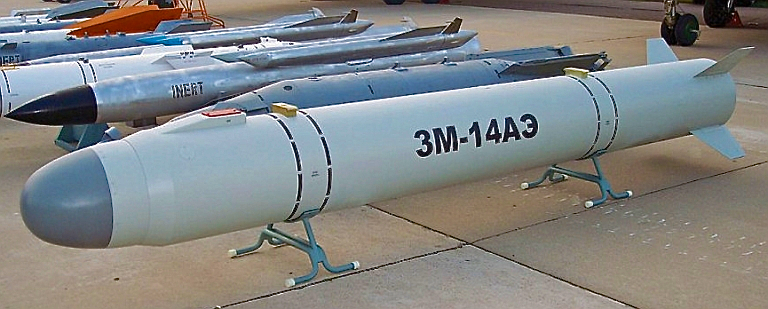 Air launch canisters for the 3M14AE
land
attack (upper) and 3M54AE anti-shipping (lower) air launched variants.
The canister protects the ACLM during carriage
and is jettisoned after the missile deploys.
 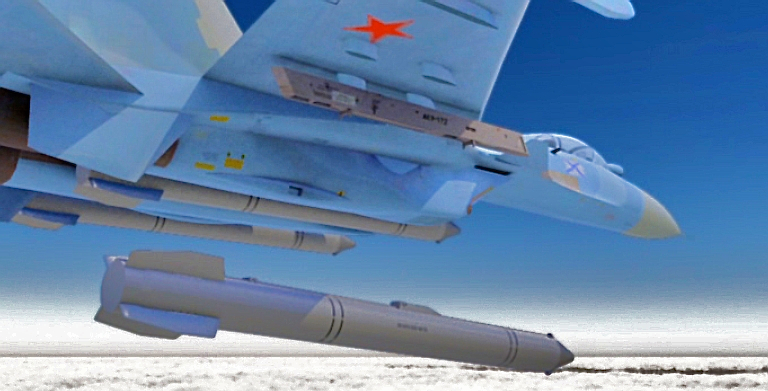 Digital
rendering of the air launched supersonic 3M-54AE being released from an
Su-33 Flanker D (Novator).
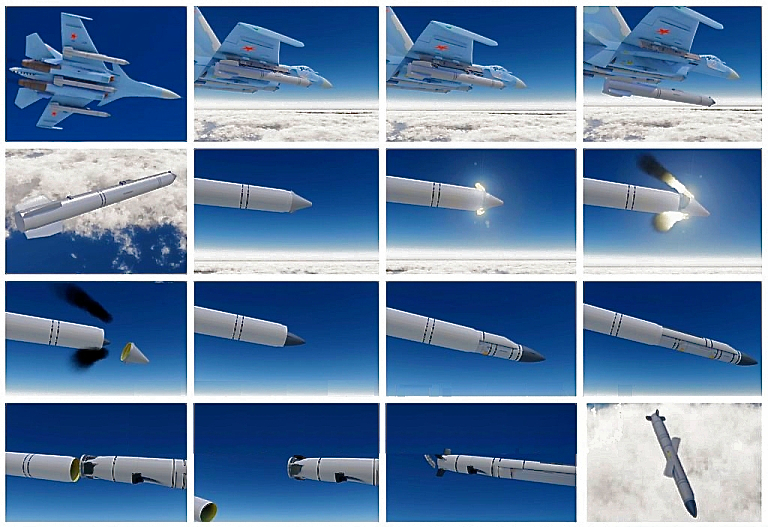 Digital rendering of the launch sequence
for the supersonic 3M-54AE
Sizzler. Rather than redesign the missile airframe to accommodate hard
points, Novator opted to use a canister not unlike the encapsulated sub
launch Harpoon arrangement. Once the canister is clear of the aircraft,
the nosecone is jettisoned, the missile ejected, upon which it deploys
its wings and tail controls, starts its turbojet engine, and cruises
until the target is acquired. Not depicted is the terminal stage of the
missile's flight, where the subsonic cruise airframe is jettisoned and
the supersonic rocket propelled kill stage engages the target at a
speed in excess of 2.5 Mach (Novator).
|
|
|
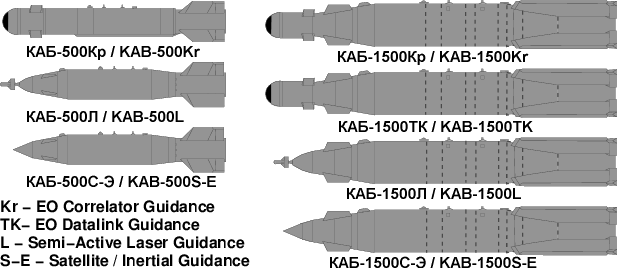
GNPP
KAB-500 and KAB-1500 guided bombs (Author)
|
|
|
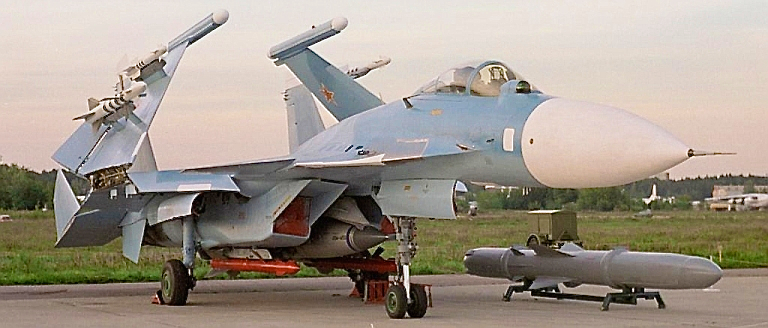
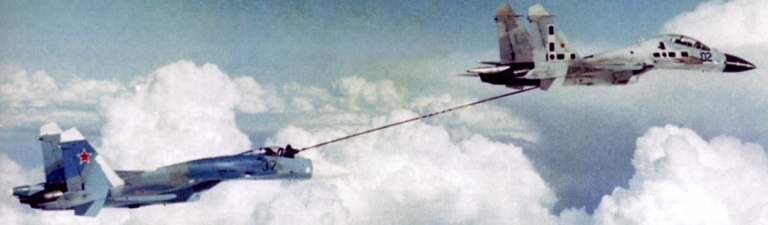
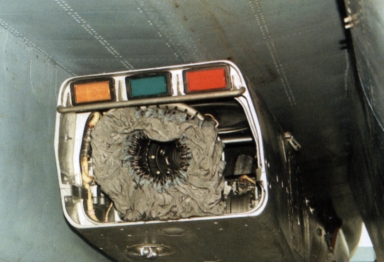
An Su-27K prototype performs a dry hookup during buddy refuelling trials using the UPAZ-1A Sakhalin series centreline refuelling store. Most late build Flankers are equipped with a retractable aerial refuelling probe and floodlights (RuAF photo). 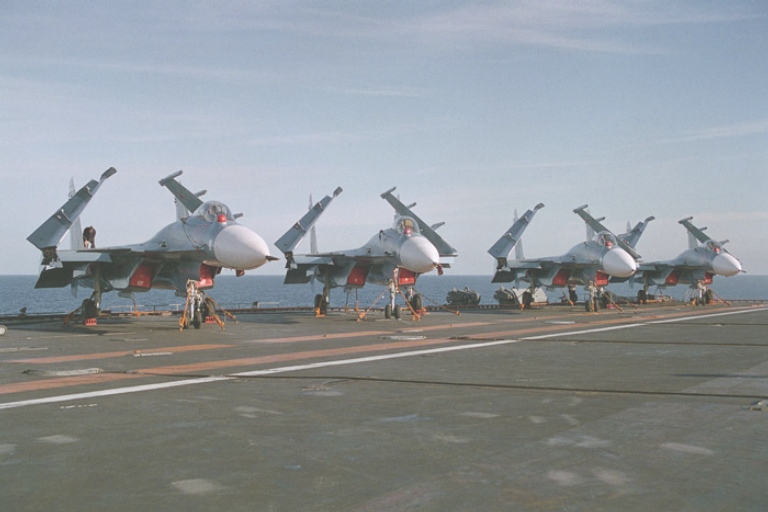 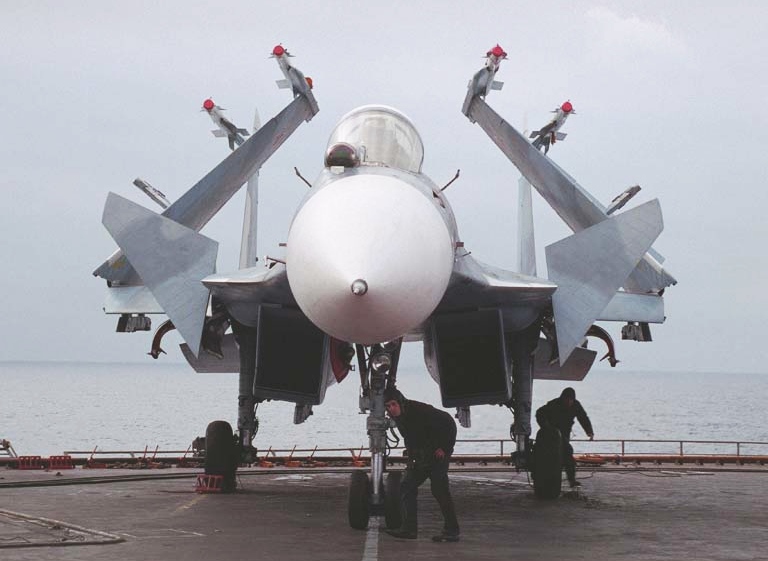 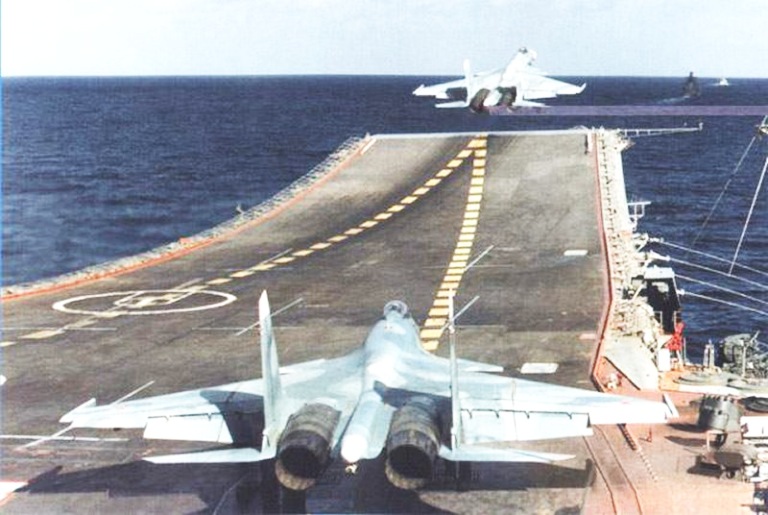 The
Su-27K/Su-33 Flanker D was recently ordered by the PLA-N Air Arm to
equip the
Varyag air wing (RuN). |
|
 Comparison
of Su-33 and Su-33UB.
|
|
 Su-33UB
demonstrator with thrust vectoring Al-31FU engines (MAKS 2005).
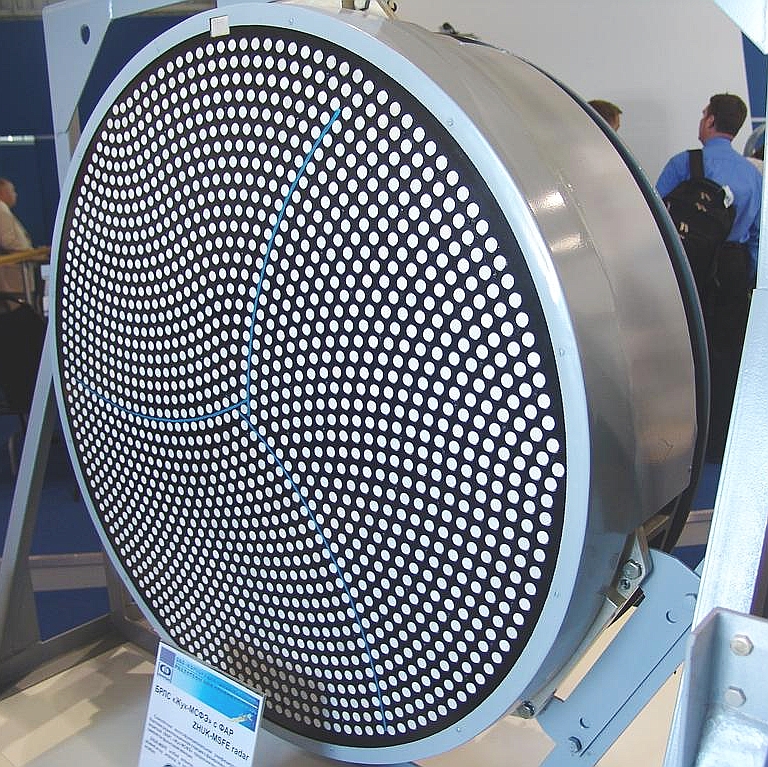 The Zhuk MSF/MSFE
(above) is a
passive ESA
design
intended to compete against the NIIP N011M BARS. It uses a Phazotron
unique radial distribution arrangement in the backplane waveguide feed,
and proprietary radiating element placement. The Zhuk MSFE has a .98
meter diameter aperture with 1662 radiating elements, and was developed
for the Su-30MK3 Flanker G
avionic suite intended for the PLA-AF. The
Zhuk-MSFE is being flown in an Su-33UB
demonstrator (MAKS 2005/2007).
|
|
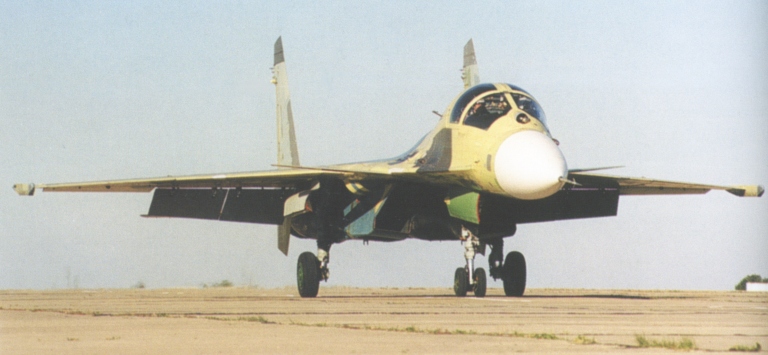 Su-27KUB
Prototype (Sukhoi)
The
dual seat Su-27KUB/Su-33UB is a mulirole naval variant suitable for
carrier conversion training, but also a wide range of strike and air
defence roles. It retains the existing avionics of the Su-27K/Su-33
Flanker D (Sukhoi).
|
|
 |
|
Shenyang J-15 Flanker D Imagery |
|
 |
|
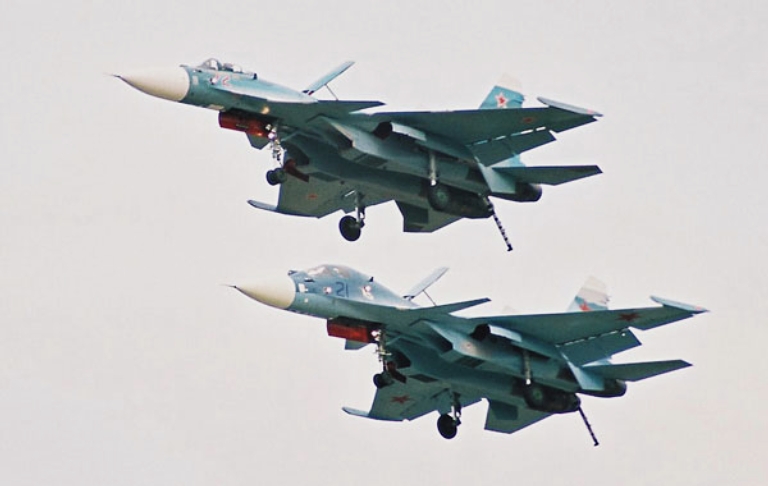
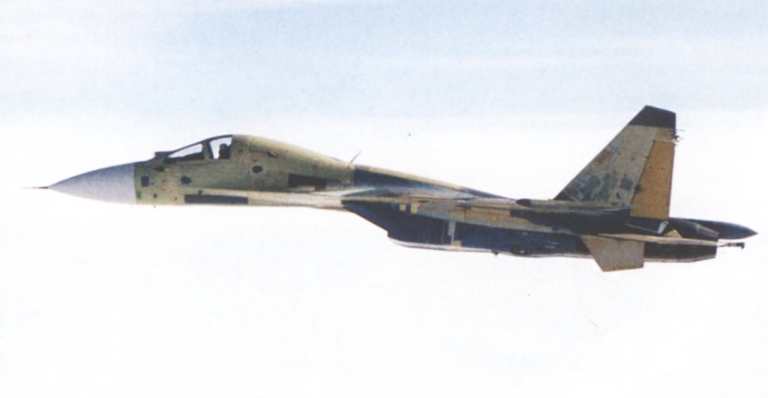
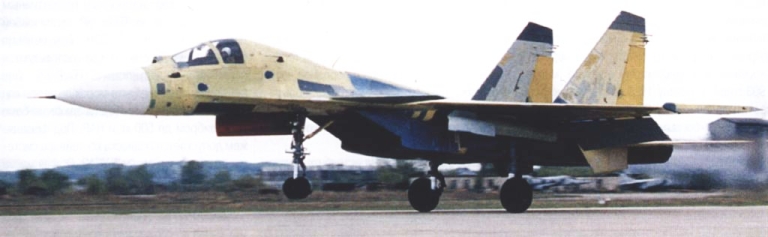
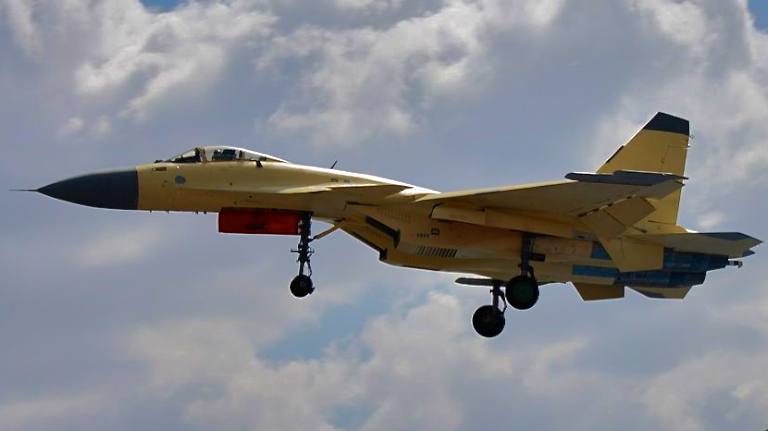 Above, below, unpainted J-15
prototype on short finals.
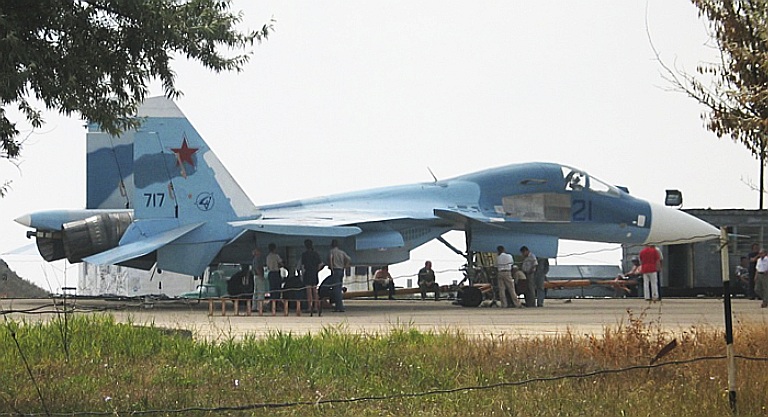
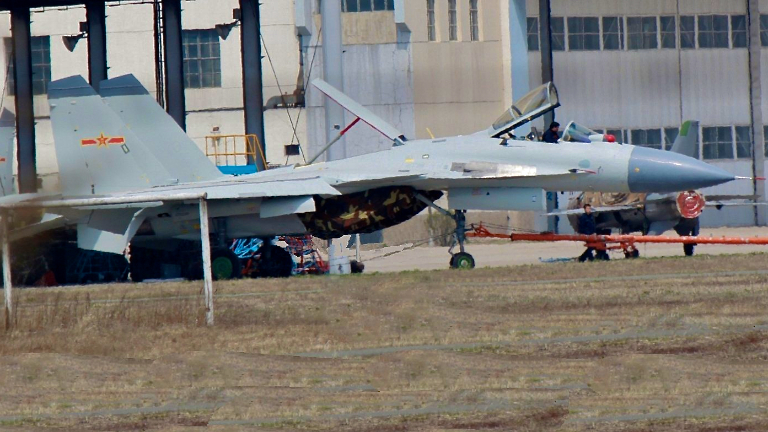
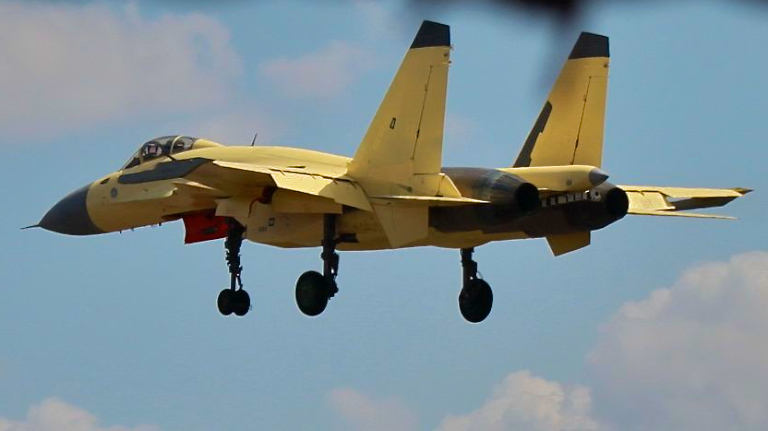  A J-15 prototype in grey camouflage
livery, lacking numbers and insignia.
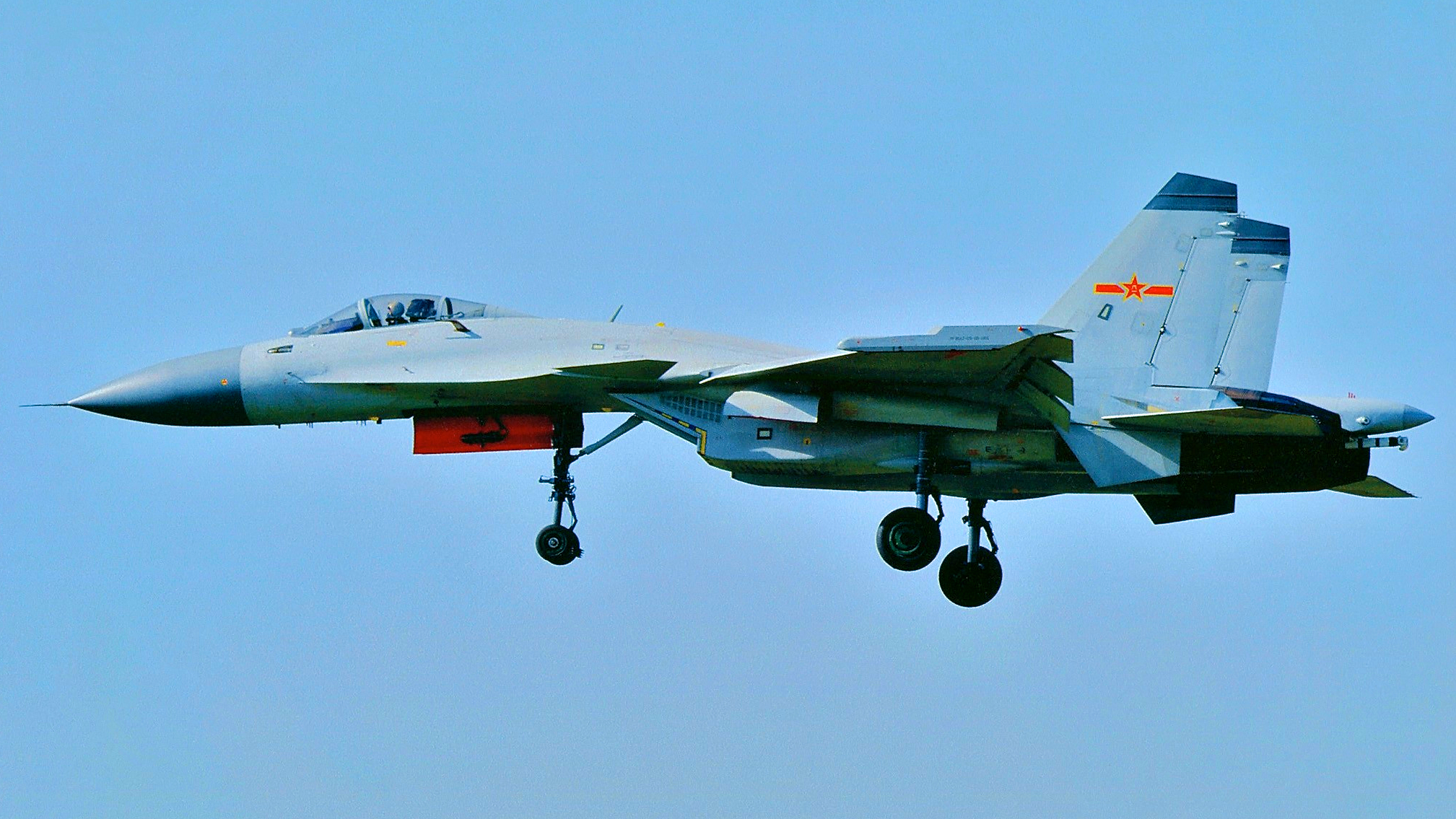
 A J-15 prototype in grey camouflage livery, with insignia applied. |
|
| Line Artwork: © 2003, 2007, 2008 Carlo Kopp | |
|
Technical Report APA-TR-2008-0603 |
|
|
|||||||||||||
|
|
|
|
|
|
|
|
|
|
|
|||
|
|
|
|
|
|
|
|
|
|
|
|||
 |
|
|
|||||||||||
| Artwork, graphic design, layout and text © 2004 - 2014 Carlo Kopp; Text © 2004 - 2014 Peter Goon; All rights reserved. Recommended browsers. Contact webmaster. Site navigation hints. Current hot topics. | |||||||||||||
|
Site Update
Status:
$Revision: 1.753 $
Site History: Notices
and
Updates / NLA Pandora Archive
|
|||||||||||||
|
|
Tweet | Follow @APA_Updates | |||||||||||
|
|
|||||||||||||
|
|
|||||||||||||