|
||||||||||||||||||||||
 |
||||||||||||||||||||||
![F-22A Raptor, FB-22, F-22E, F-22N and Variants Index Page [Click for more ...]](APA/f-fb-22.png "F-22A Raptor, FB-22, F-22E, F-22N and Variants Index Page [Click for more ...]") |
 |
![People's Liberation Army Air Power Index Page [Click for more ...]](APA/pla-air-pwr.png "People's Liberation Army Air Power Index Page [Click for more ...]") |
 |
 |
 |
 |
 |
 |
![Military Ethics, Culture, Education and Training Index Page [Click for more ...]](APA/ethx-culture.png "Military Ethics, Culture, Education and Training Index Page [Click for more ...]") |
 |
||||||||||||
 |
![Russian / Soviet Weapon Systems Index Page [Click for more ...]](APA/rus-weps.png "Russian / Soviet Weapon Systems Index Page [Click for more ...]") |
 |
 |
 |

|
 |
 |
 |
 |
 |
||||||||||||
 |
 |
 |
||||||||||||||||||||
| Last Updated: Mon Jan 27 11:18:09 UTC 2014 | ||||||||||||||||||||||
|
||||||||||||||||||||||
|
||||||||||||||||||||||
|
||||||||||||||||||||||
|
|
|
|
|
|
|
|
|
|
|
||||||||||||
|
|
|
|
|
|
|
|
|
|
|
||||||||||||
| |
|
|
||||||||||||||||||||
| Last Updated: Mon Jan 27 11:18:09 UTC 2014 | ||||||||||||||||||||||
|
||||||||||||||||||||||
Как уничтожить Австралийские военные силы [How to Destroy the Australian Defence Force] |
||||||||
|
Air Power
Australia - Australia's Independent Defence Think Tank
|
||||||||
| Air Power Australia NOTAM 4th July, 2007 |
||||||||
|
||||||||
|
||||||||
|
Australia it seems is planning for an
Air Force which will not be capable to compete against recent Russian
fighter and
weapons designs now being exported to Asian nations. Why is this? Firstly, most of the Sukhoi fighters that will come into the
Asia-Pacific region are yet to be
manufactured. Sukhoi use ‘rapid prototyping’ methods and an
evolution based design approach, so
customers such as India, Vietnam, Indonesia, Venezuela, Mexico, Algeria
and China can incorporate new design features as they are
developed. If I were purchasing a modern air combat aircraft, I
would ask for the latest kit, as it is much cheaper to build it in
than retrofit it. This is not difficult for Sukhoi
and its partners, KnAAPO and Irkut, to achieve. Secondly,
and most importantly, the latest Sukhoi models planned for 2009
delivery will defeat all of the recently
developed capabilities of the Australians without difficulty; e.g.
Airborne
Early Warning & Control (E-737 Boeing Wedgetail), Air-to-Air
Refuelling (Airbus A330-200
MRTT), F/A-18F, F-35 Joint Strike Fighter - if it ever arrives, the
Spanish
Air Warfare Destroyer, and
Amphibious Landing Ships. Here is an example of how this can be done: The
long range missiles – Novator K-100 (formerly R-172/KS-172-S1) and the
Vympel' R-37 [Ed: AA-13 Arrow] have a
range circa 300 to 400 kilometres. Flying above 40,000 feet, the
Sukhois can
easily detect the AEW&C or MMRT at this range with their BARS radar
–
the new Tikhomirov NIIP Irbis-E will just improve matters for a Sukhoi
driver. So they can
launch and destroy these big aircraft at very long ranges. Should the Australians be able to jam the missiles or the radar, the Sukhoi can use its range and speed to close to about 100 km and fire the smaller TMC/Zvezda Kh-31P [Ed: AS-17 Krypton] anti-radiation missile, or close to about 70 km and engage with the updated R-77 [Ed: AA-12 Adder] which comes with active radar (R-77), passive anti-radiation (R-77P) and infra-red homing (R-77T) guidance seekers. They can carry up to 12 missiles, so they get lots of shots if some miss – unlike the F-35 JSF which gets two defensive missile shots before attempting to escape for home. If
these assets are protected by the F/A-18F, the Sukhois can engage in
what you Australians call the ‘Offensive Counter Air’ (OCA)
operations. Again, we would firstly use the K-100 / R-37 long
range missiles as their ranges
much exceed that of the Australians' US manufactured Raytheon AMRAAM –
AIM120C-5 – or the
slightly longer range C-7 which has just been permitted for export.
Closing further, the R-77 Adders also have a longer range than the
AIM-120, so it gives the Sukhoi driver a second chance to take a
shot. There are also long range
infrared and passive anti-radiation homing missiles such as the Vympel'
R-27ET/EP [Ed: AA-10 Alamo]. If all
that fails, then there is likely to be a radio electronic combat
[Ed: electronic warfare] exchange, with the result that both
sides degrade the other sides'
missile and radar performance.
Kh-61
Yakhont on Su-33 Flanker D. Note the centreline Kh-41 Moskit / Sunburn,
and wing rail mounted R-27 and R-77 missiles.
If you can see the wingtips of
the Su-27S, Su-30MK, Su-33 or Su-35/35BM you can see KnIIRTI L-005
Sorbstiya phased array jamming pods which are very effective. They are
designed to disrupt Western phase [Ed: monopulse cross eye jamming]
tracking radars and
missile seekers.
The American navy is now so worried about Sorbstiya jamming their new
APG-79 radar that they are introducing a new [Ed: AAS-42] infrared
tracker on the F/A-18E/F Super Hornet fighter, yet our Sukhois have
carried such equipment since the Cold War. The latest Russian jamming
pods have the digital radio frequency memory which is the same [Ed:
technology] as used for new American, Israeli and European jamming
equipments. Assume the radar missiles are neutralized, the Sukhoi can close for what we pilots call a ‘knife fight’ – the modern equivalent of the Great Patriotic War 'dogfight' where the agility and excess power prevail. The Sukhois are much superior in this flight envelope against the American F/A-18F and F-35. So, having disposed of the Australian air force, as the Japanese Imperial Navy forces did so quickly in 1942, the Sukhois can turn to liquidating the Australian naval forces. Have a look at the big piece of metal between the engine pods in the Su-33 picture above. This is a Raduga Kh-41 Moskit [Ed: SS-N-22 Sunburn] which is a 4,500 kilogram mass supersonic rocket-ramjet missile, which skims the waves at 2.2 Mach supersonic velocity. Imagine a missile seven times the size of the French Exocet, which destroyed so many British ships in the Falklands/Malvinas war, travelling at three times the speed of the French missile. In front of the Su-33 in this picture is an NPO Mashinostroyenia Kh-61 Yakhont [Ed: SS-N-26], which is a 2,500 kg mass supersonic missile which achieved Mach 2-2.5.Tactic developed by Soviet navy during the Cold War to beat
the American
navy is to launch a
‘swarm’ of these (e.g. 8-12) at a warship to overwhelm
defences. The warship simply cannot shoot enough defensive missiles
quickly enough to stop so many supersonic Moskits or Yakhonts. Even if
the ship has automatic cannon defences, if these hit the supersonic
missiles it is probable the ship will be hit by a tonne of
supersonic debris. This can damage radar antennas and cripple the ship
missile defence systems for the final kill. The TMC/Zvezda Kh-31A 'mini-Moskit' is also used against ships, but from shorter range and with a lighter warhead. Interestingly, both the Indians and the Chinese are developing their own versions of the Yakhont, based on the superb original Russian design. The Indian / Russian ‘BrahMos’ has been developed for both maritime and land attack. Plans are to export at least 500 of these from the Indian factories. So,
having disposed of the Australian navy fleet, it becomes the Australian
army’s turn next.
There are lots of modern air-to-ground weapons in production which
Rosoboronexport can sell to any country which has the Sukhoi Flankers.
The Chinese are now licencing or copying
many of these designs. My favourite
– where there are no effective air defence missile systems, the
Australians' Rapier and RBS-70 have a
very limited point-protection capability - is the GNPP KAB-1500 (1,500
kg mass)
with a thermobaric fill – sort of like a mini-nuke. These
can be launched with an optical television guidance over a radio
correction channel (KAB-1500TK), or with the 'fire and forget' optical
correlator guidance (KAB-1500Kr), with the laser guidance
(KAB-1500L)
or with the new satellite guidance system in the KAB-1500S-E model. No
different from American, Israeli or French 'smart bombs'. With an air-burst fuze or promixity fuze, it would cover the area occupied by an Infantry Battalion dug-in during a close fight. The fireball from the thermobaric bomb would consume everything in about a 150 metre radius, and the blast would neutralise those closer than about 500 metres from ground-zero. Of course, you would not just take one bomb to this party – each Sukhoi can lift and deliver three of these excellent 'smart bombs', or six of the smaller KAB-500 models each still 500 kg mass. So,
all in all, the Sukhois are very powerful and effective weapons
systems. They
cost about half the price of equivalent USA aircraft like the F-15E
Eagle, or inferior aircraft like F/A-18. I guess this is why
smart countries in the Asia-Pacific
are all
buying them. Col. Grisha Medved is a former retired fighter pilot. Applicable
Imagery Below
KnAAPO/Sukhoi
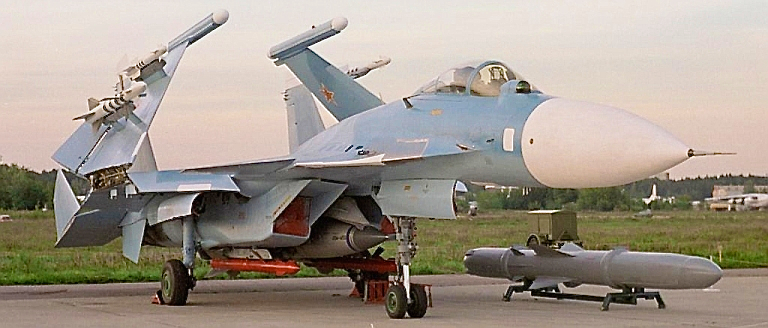
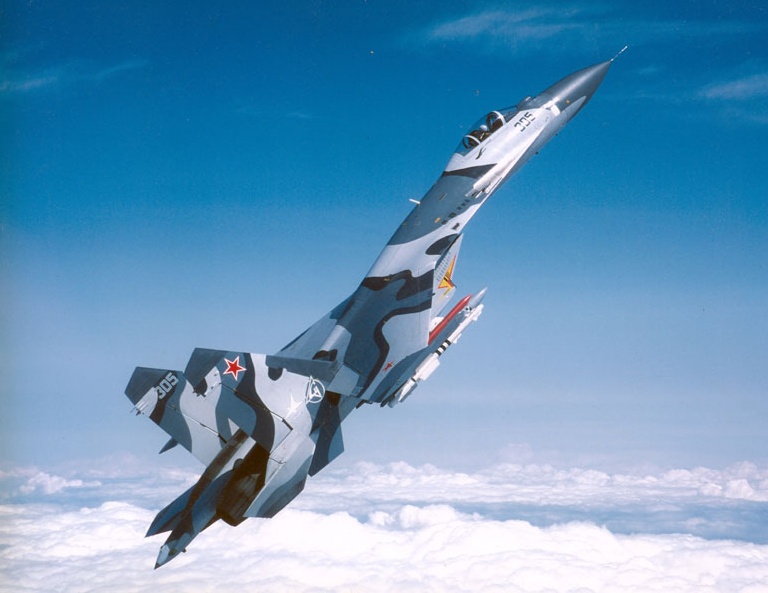
Su-27SKM Multirole Flanker Prototype. Further
images.
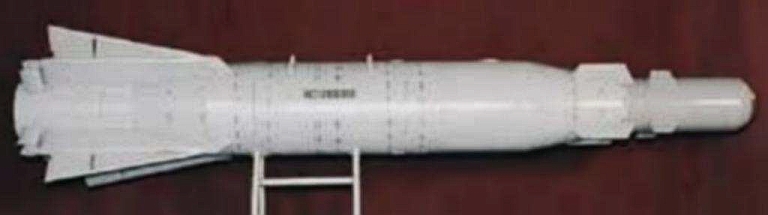
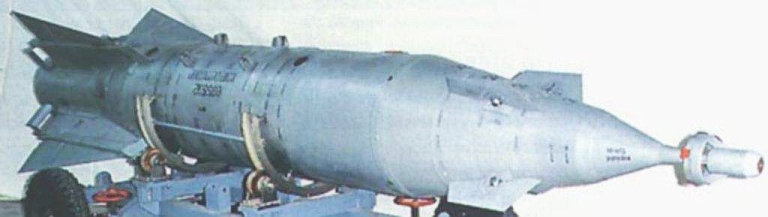
KAB-500Kr
Electro-Optically Guided Bomb
KAB-500L Laser
Guided Bomb
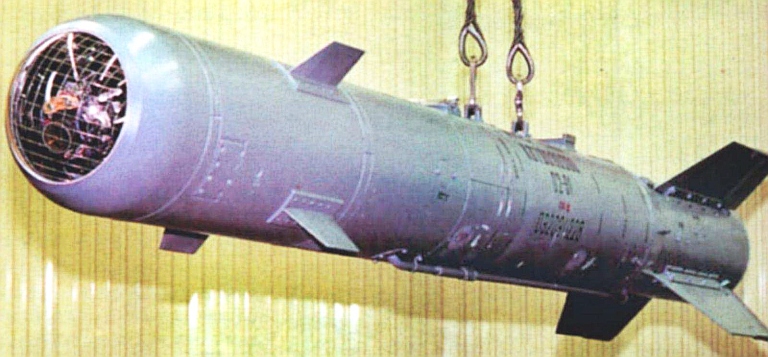
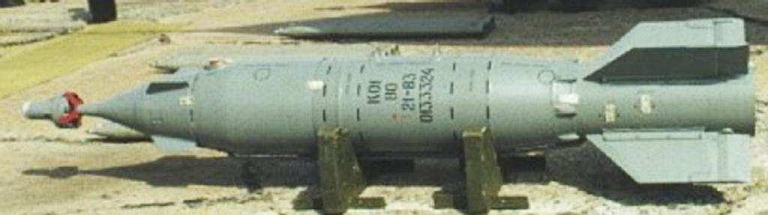
KAB-1500Kr
Electro-Optically Guided Bomb
KAB-1500L Laser Guided Bomb |
||||||||
| Air
Power Australia Website - http://www.ausairpower.net/ Air Power Australia Research and Analysis - http://www.ausairpower.net/research.html |
||||||||
 |
||||||||
| |
||||||||
|
|||||||||||||
|
|
|
|
|
|
|
|
|
|
|
|||
|
|
|
|
|
|
|
|
|
|
|
|||
| |
|
|
|||||||||||
| Artwork, graphic design, layout and text © 2004 - 2014 Carlo Kopp; Text © 2004 - 2014 Peter Goon; All rights reserved. Recommended browsers. Contact webmaster. Site navigation hints. Current hot topics. | |||||||||||||
|
Site Update
Status:
$Revision: 1.753 $
Site History: Notices
and
Updates / NLA Pandora Archive
|
|||||||||||||
|
|
Tweet | Follow @APA_Updates | |||||||||||
|
|
|||||||||||||
|
|
|||||||||||||