|
||||||||||||||||||||||
 |
||||||||||||||||||||||
![F-22A Raptor, FB-22, F-22E, F-22N and Variants Index Page [Click for more ...]](APA/f-fb-22.png "F-22A Raptor, FB-22, F-22E, F-22N and Variants Index Page [Click for more ...]") |
 |
![People's Liberation Army Air Power Index Page [Click for more ...]](APA/pla-air-pwr.png "People's Liberation Army Air Power Index Page [Click for more ...]") |
 |
 |
 |
 |
 |
 |
![Military Ethics, Culture, Education and Training Index Page [Click for more ...]](APA/ethx-culture.png "Military Ethics, Culture, Education and Training Index Page [Click for more ...]") |
 |
||||||||||||
 |
![Russian / Soviet Weapon Systems Index Page [Click for more ...]](APA/rus-weps.png "Russian / Soviet Weapon Systems Index Page [Click for more ...]") |
 |
 |
 |

|
 |
 |
 |
 |
 |
||||||||||||
 |
 |
 |
||||||||||||||||||||
| Last Updated: Mon Jan 27 11:18:09 UTC 2014 | ||||||||||||||||||||||
|
||||||||||||||||||||||
|
||||||||||||||||||||||
|
||||||||||||||||||||||
|
|
|
|
|
|
|
|
|
|
|
||||||||||||
|
|
|
|
|
|
|
|
|
|
|
||||||||||||
| |
|
|
||||||||||||||||||||
| Last Updated: Mon Jan 27 11:18:09 UTC 2014 | ||||||||||||||||||||||
|
||||||||||||||||||||||
F-22 and the Survival of American
Air Power
|
||||||||||||||||||||||||||||
|
Air Power
Australia - Australia's Independent Defence Think Tank
|
||||||||||||||||||||||||||||
| Air Power Australia NOTAM 6th July, 2009 |
||||||||||||||||||||||||||||
|
||||||||||||||||||||||||||||
|
||||||||||||||||||||||||||||
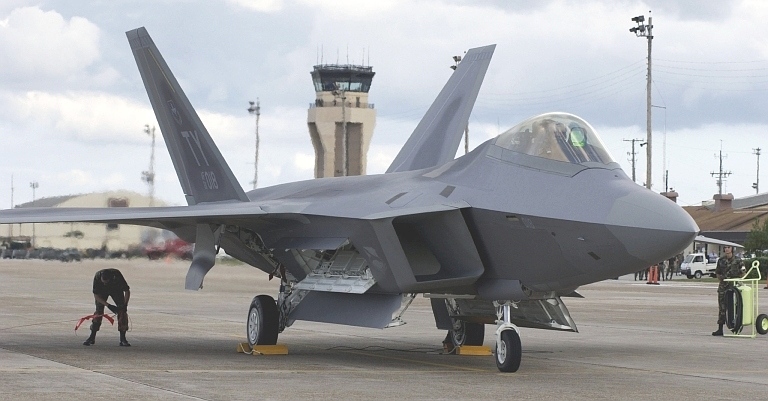 (U.S. Air Force photo) |
||||||||||||||||||||||||||||
| America’s global primacy in the air power
is currently teetering on a knife-edge. Soon, the US Senate will vote
on whether to continue funding future production of the F-22A Raptor.
If the Senate endorses the continuation of F-22 production, as sought
by the full House of Representatives, the House Armed Services
Committee, the Senate Armed Services Committee, and the Senate
Appropriations Committee, the United States Air Force has some prospect
of maintaining its strategic position in the longer term. If the Senate
votes against the F-22, the United States Air Force will enter a
terminal death spiral from which it has few prospects of recovery. Air Power Australia has been studying the problems the US Air Force faces very carefully, as these problems are mostly common to all Western air forces, differences being primarily in matters of scale. Recently, Dr Carlo Kopp and Peter Goon produced a series of detailed briefings, which encapsulate the core issues and the genuine problems the Americans must confront. The first challenge the Americans must overcome is the rapid evolution of Russian and Chinese Surface to Air Missile and radar technology, which has made such weapons far more lethal than the weapons of the Cold War era. Widely exported, these digital systems are extremely difficult to jam, very difficult to kill due to high mobility and defensive aids, and more than often actively defended by guns and short range missiles designed to kill US smart munitions in flight. The notion of the US carving corridors through hostile SAM belts is now a historical idea, as future combat aircraft will have to penetrate such defences and survive. Only the F-22 is built to do this, and 187 F-22s is simply not enough to do the job. This is discussed in detail in “High Technology Air Defence Weapons vs Planned US Force Structure”. This problem is compounded the complete dependency of all US air, land and sea capabilities upon the possession of air superiority. Since the 1940s the US has been able to dominate air space above US forces in combat and their basing, as a result of which “If the US cannot win and maintain air superiority, its whole military machine collapses like a house of cards”. Despite this deep dependency and strategic vulnerability, air superiority is not considered important in most current US strategic thinking, as it is more than often simply assumed to be the state of the world. This is discussed in detail in “Why 187 F-22s are Not Sufficient”. The 1990s plan to recapitalise the US fighter fleet has failed. Rapidly evolving fighter technology and surface based air defences have rendered existing legacy fighter designs ineffective, and the F-35 Joint Strike Fighter was simply not defined to fight and survive in this kind of threat environment. Even were the F-35 Joint Strike Fighter capable of surviving in combat, its program schedule is so far behind target and its unit costs so high that it is no longer a viable proposition. The only option left to the US is to build many more F-22s and do so as soon as possible. This is discussed in detail in “The Failed Fighter Recapitalisation Plan”. The global situation will not improve any time soon, as advancing Counter-Stealth technologies erode the US technological advantage. Russian and Chinese radar, passive sensor and sensor fusion technology has advanced enormously over the last decade, especially due to the infusion of Western digital processing technologies. Aircraft with top end stealth capabilities like the F-22 and B-2 can continue to operate in this environment, but second tier low performance stealth designs like the F-35 Joint Strike Fighter cannot. The only techno-strategic choice the US has to deal with proliferating Counter-Stealth technologies is to build more F-22s. This is discussed in detail in “The Proliferation of Counter Stealth Systems”. People often think of advanced weapons as being used mostly by the nations that build them, but this is no longer true, if it ever was. The reality of today and the future is that nations with money to spend and an agenda can purchase any high technology weapon they desire and can afford from Russian manufacturers, and more recently, Chinese manufacturers. Anti-access weapons built to deny US forces from operating in a theatre are proliferating globally, and problem states are the biggest buyers. Good examples are Iran and Venezuela, energy rich and buying very lethal anti-access weapons. The problems of a globalised anti-access weapon market are discussed in “The Global Impact of Anti-Access Weapons”. The five APA briefings provide a critical and incisive look into these challenges and underscore the precarious situation the United States, and its many dependent allies, face over the coming two decades. |
||||||||||||||||||||||||||||
|
||||||||||||||||||||||||||||
| Air
Power Australia Website - http://www.ausairpower.net/ Air Power Australia Research and Analysis - http://www.ausairpower.net/research.html |
||||||||||||||||||||||||||||
 |
||||||||||||||||||||||||||||
| |
||||||||||||||||||||||||||||
|
|||||||||||||
|
|
|
|
|
|
|
|
|
|
|
|||
|
|
|
|
|
|
|
|
|
|
|
|||
| |
|
|
|||||||||||
| Artwork, graphic design, layout and text © 2004 - 2014 Carlo Kopp; Text © 2004 - 2014 Peter Goon; All rights reserved. Recommended browsers. Contact webmaster. Site navigation hints. Current hot topics. | |||||||||||||
|
Site Update
Status:
$Revision: 1.753 $
Site History: Notices
and
Updates / NLA Pandora Archive
|
|||||||||||||
|
|
Tweet | Follow @APA_Updates | |||||||||||
|
|
|||||||||||||
|
|
|||||||||||||