|
||||||||||||||||||||||
 |
||||||||||||||||||||||
![F-22A Raptor, FB-22, F-22E, F-22N and Variants Index Page [Click for more ...]](APA/f-fb-22.png "F-22A Raptor, FB-22, F-22E, F-22N and Variants Index Page [Click for more ...]") |
 |
![People's Liberation Army Air Power Index Page [Click for more ...]](APA/pla-air-pwr.png "People's Liberation Army Air Power Index Page [Click for more ...]") |
 |
 |
 |
 |
 |
 |
![Military Ethics, Culture, Education and Training Index Page [Click for more ...]](APA/ethx-culture.png "Military Ethics, Culture, Education and Training Index Page [Click for more ...]") |
 |
||||||||||||
 |
![Russian / Soviet Weapon Systems Index Page [Click for more ...]](APA/rus-weps.png "Russian / Soviet Weapon Systems Index Page [Click for more ...]") |
 |
 |
 |

|
 |
 |
 |
 |
 |
||||||||||||
 |
 |
 |
||||||||||||||||||||
| Last Updated: Mon Jan 27 11:18:09 UTC 2014 | ||||||||||||||||||||||
|
||||||||||||||||||||||
|
||||||||||||||||||||||
|
||||||||||||||||||||||
|
|
|
|
|
|
|
|
|
|
|
||||||||||||
|
|
|
|
|
|
|
|
|
|
|
||||||||||||
| |
|
|
||||||||||||||||||||
| Last Updated: Mon Jan 27 11:18:09 UTC 2014 | ||||||||||||||||||||||
|
||||||||||||||||||||||
| Destroying
Australia's Defence Industrial Base |
||||||||
|
Air Power
Australia - Australia's Independent Defence Think Tank
|
||||||||
| Air Power Australia NOTAM 19th August, 2007 |
||||||||
Dr Carlo Kopp, MIEEE, SMAIAA, PEng Head, Capability Research, Air Power Australia Editor, Air Power Australia |
||||||||
|
||||||||
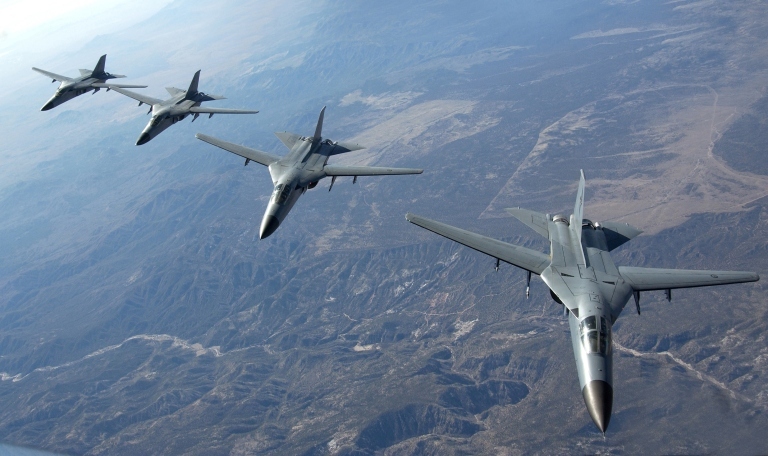 F-111s
at Red Flag in 2006 (US DoD).
|
||||||||
The March announcement by the Defence Minister that $6.6 billion would be spent on 24 Super Hornets as gap fillers after the 2010 premature and forced retirement of the F-111 came only a week after ANAO auditors released a report which wholly contradicted many of the claims Defence bureaucrats have made in recent years about the operating costs of Australia's F-111 fleet [1]. The ANAO report confirmed publicly what experts have argued since 2003. Not only is there no economic saving from F-111 retirement and the purchase of new Super Hornets, but Australia would also lose a key world class high tech industrial capability in the F-111 support base, once the F-111 fleet is retired. The decision to retire the F-111 in 2010, rather than the 2020 timeframe as originally planned for, was sold to then Minister Hill by the Defence bureaucracy in 2003 mostly on the basis that the cost of maintaining the F-111 would increase dramatically in future years, a claim which the ANAO report now proves to have been completely speculative [2]. The US planned to operate much older B-52 bombers until the 2040 timeframe, and if the '2018 bomber' called for in the QDR does not materialise, then B-52s will almostly certainly still be flying at that time. The B-52 due to the maturity of its engineering support is now cheaper to operate than the newer US B-1B and B-2A heavy bombers. In 2003 analysts argued that the F-111 was no different than the B-52 and its running costs would not blow out. Much evidence was provided to parliamentarians to show exactly why this was so. The Defence bureaucrats in turn claimed that the F-111 would not be viable since it could not carry the latest satellite guided smart bombs, and was not equipped with digital networking equipment, and integrating both into the aircraft would be very expensive. APA also demonstrated at the time that this was utter nonsense. Since the Defence bureaucracy made these unsupportable claims, RAAF and Boeing engineers at Amberley in Queensland integrated both the GBU-31 JDAM satellite guided smart bomb and a Link-16 network terminal into the F-111's weapon system, and did so on a small internal engineering development budget. This proved yet another series of the Defence bureaucracy's claims about the F-111 to be at best pure speculation [3]. The F-111 is unique in that it is the only combat aircraft in Australia which is wholly maintained by Australian engineers, including the complex weapon system software, electronic warfare systems, and the integration of new smart weapons. During the 1990s hundreds of millions in taxpayer's dollars were invested into building up the facilities and developing the pool of engineering skills to support the aircraft. Unfortunately, poor planning, mismanagement and funding starvation by Defence bureaucrats during the late 1990s resulted in a series of F-111 groundings and much public embarrassment to Defence during the 2000 – 2001 period. Engineering support was subsequently transferred to Boeing Australia who not only fixed the problems, but are now delivering fleet reliability which is better than during the 1970s, when the jets were delivered, and at a fraction of the cost. When the Defence bureaucracy decided to kill off the F-111, the motives were partly a fear of future embarrassments, and partly internal funding competition for upgrade money, which was diverted into the problem ridden Hornet Upgrade Program. The Defence bureaucracy has strenuously avoided debating the impact F-111 retirement will have on Australia's engineering skills base. The engineering facilities and personnel used to maintain the F-111 are the "crown jewel" in Australia's defence aerospace industry, and unique in Australia. This capability was developed because every conflict since the 1940s has seen the urgent need for technical fixes and modifications to combat aircraft, and prudent RAAF planners during the 1990s sought to plug this industry capability gap by building up a support base around the F-111 fleet. The Amberley engineering facility has since then solved critical problems on the Boeing 707 tanker fleet, the F/A-18 Hornet fleet and is involved in the vital Wedgetail program. If the F-111 is removed, the volume of work for this facility becomes too small to maintain the skills base and Australia loses this critical capability. Analysis of the ANAO report and Congressional reporting figures for the Super Hornet proposal show clearly that no money would be saved by F-111 retirement and Super Hornet introduction. Three main consequences of this deal arise:
For instance, Defence made the utterly absurd claim that performing further avionic upgrades on the F-111 would cost as much as the complete development of the Super Hornet fighter. If the Government proceeds with the Super Hornet purchase, the long term damage to Australia's military capabilities will go well beyond the capability gap in strike aircraft numbers. 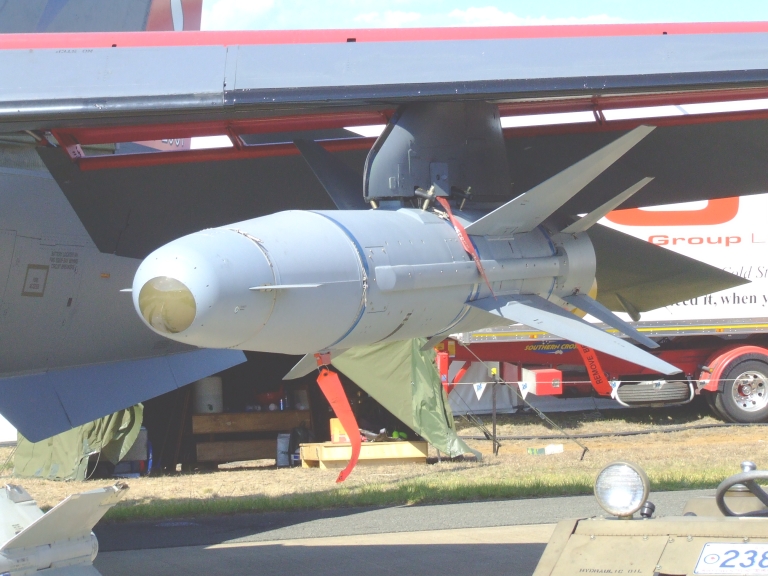 AGM-142E
Popeye Stand Off Weapon on F-111C (C. Kopp photo)
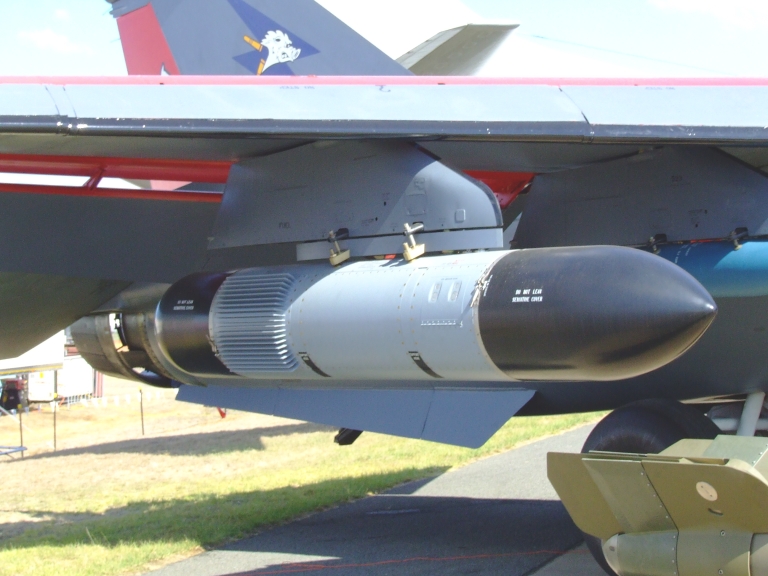 AN/ASW-55
Datalink pod on F-111C (C. Kopp photo)
|
||||||||
|
Endnotes:
[1] Refer ANAO Audit Report No.27 2006–07 Management of Air Combat Fleet In-Service Support [2] APA
provided extensive
evidence to the JSCFADT in 2004 demonstrating exactly how these claims
made by Defence were pure speculation, refer Submissions,
Inquiries, Reports and Other
Documents. Also refer Australian
Aviation -
March 2004 - How Defence
Miscalculated F-111 Costs.
[3] Refer Don Middleton - ADA Defender - Summer 2006/2007 - Are the F-111s Really Stuffed? |
||||||||
| Air
Power Australia Website - http://www.ausairpower.net/ Air Power Australia Research and Analysis - http://www.ausairpower.net/research.html |
||||||||
 |
||||||||
| |
||||||||
|
|||||||||||||
|
|
|
|
|
|
|
|
|
|
|
|||
|
|
|
|
|
|
|
|
|
|
|
|||
| |
|
|
|||||||||||
| Artwork, graphic design, layout and text © 2004 - 2014 Carlo Kopp; Text © 2004 - 2014 Peter Goon; All rights reserved. Recommended browsers. Contact webmaster. Site navigation hints. Current hot topics. | |||||||||||||
|
Site Update
Status:
$Revision: 1.753 $
Site History: Notices
and
Updates / NLA Pandora Archive
|
|||||||||||||
|
|
Tweet | Follow @APA_Updates | |||||||||||
|
|
|||||||||||||
|
|
|||||||||||||






