|
||||||||||||||||||||||
 |
||||||||||||||||||||||
![F-22A Raptor, FB-22, F-22E, F-22N and Variants Index Page [Click for more ...]](APA/f-fb-22.png "F-22A Raptor, FB-22, F-22E, F-22N and Variants Index Page [Click for more ...]") |
 |
![People's Liberation Army Air Power Index Page [Click for more ...]](APA/pla-air-pwr.png "People's Liberation Army Air Power Index Page [Click for more ...]") |
 |
 |
 |
 |
 |
 |
![Military Ethics, Culture, Education and Training Index Page [Click for more ...]](APA/ethx-culture.png "Military Ethics, Culture, Education and Training Index Page [Click for more ...]") |
 |
||||||||||||
 |
![Russian / Soviet Weapon Systems Index Page [Click for more ...]](APA/rus-weps.png "Russian / Soviet Weapon Systems Index Page [Click for more ...]") |
 |
 |
 |

|
 |
 |
 |
 |
 |
||||||||||||
 |
 |
 |
||||||||||||||||||||
| Last Updated: Mon Jan 27 11:18:09 UTC 2014 | ||||||||||||||||||||||
|
||||||||||||||||||||||
|
||||||||||||||||||||||
|
||||||||||||||||||||||
|
|
|
|
|
|
|
|
|
|
|
||||||||||||
|
|
|
|
|
|
|
|
|
|
|
||||||||||||
| |
|
|
||||||||||||||||||||
| Last Updated: Mon Jan 27 11:18:09 UTC 2014 | ||||||||||||||||||||||
|
||||||||||||||||||||||
Accountability
vs Indifference
|
||||||||
|
Air Power
Australia - Australia's Independent Defence Think Tank
|
||||||||
| Air Power Australia NOTAM 31st March, 2009 |
||||||||
Peter Goon, BEng (Mech), FTE (USNTPS), Head of Test and Evaluation, Air Power Australia |
||||||||
|
||||||||
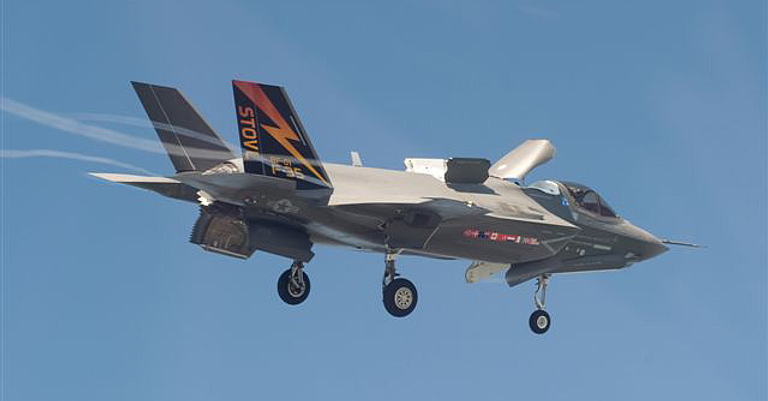 F-35B
SDD test vehicle BF-01 (US DoD image)
|
||||||||
|
In a recent post on his Blog in the Canberra Times, Mr Brian Toohey, one of Australia’s most respected mainstream media journalists, ended with the somewhat sobering declaration, “This time, if the allegations stand up, heads must roll”. His article is entitled “Rudd’s blind spot on defence”, and of course refers to the latest controversy to surround this august, though, as described by one former Vice Chief of the Defence Force, “somewhat elephant-like” organisation.Presumably, Brian Toohey’s closing statement is referring to the need for accountability, which by its nature, requires three things of those to whom it is to be applied. Firstly, they must accept the responsibility; then, be provided with and employ the authority to act; and, finally be provided with and have control over the resources necessary to discharge such responsibility, in order for them to be accountable, let alone held to account. The absence of at least one of these ‘pre-requisites for accountability’ is more often than not the case in the Australian Department of Defence, and its sister organisation, the Defence Materiel Organisation (DMO) – oftentimes by design.How often does one observe senior officials in these organisations, jointly or severally, expending inordinate levels of time and effort (resources and costs) steering their Minister down a particular path only to find, once the Minister/Government reaches the point to which they have been steered, and announces the decision sometimes only some of the senior officials want to hear, these very same senior officials revert to the tried and proven oratory of non-accountability – “The Government has decided”…. “This is a Government decision” and so on .... So much for
the acceptance of
responsibility! Now let’s suppose the advice to Government
from these very same senior officials is flawed or proves to be
wrong. For example, the decision to buy the F/A-18F Super Hornet;
the decision to prematurely retire the F-111; and, the expenditure of
inordinate levels of time and effort (resources and costs) steering our
politicians towards the F-35A JSF as opposed to the F-22A Raptor.
Other examples range from the many failings in Defence Procurement, the
ongoing malignancy that is the the Military Justice System, right
through to why the ADF
Director of Mental Health resigned out of frustration and disgust
with indifference and lack of caring. When has a Government – any Government – admitted to making a mistake? If the
question is resolved
in the negative, then what well known form
of organisational
dysfunction has, as one of its fundamental traits, the failure to
admit
when mistakes have been made? However, we are getting a little ahead of
ourselves. How do Governments and their Ministers end up in such invidious situations? To better understand this conundrum, one needs to look no further than the advice they receive from those same senior departmental officials who expend those inordinate levels of time and effort (resources and costs) doing the steering. When having gone and looked at this, one quickly finds that, in the main and at best, said advice is heavily ‘nuanced’, grossly skewed, lacks objectivity and any supporting data or facts, and reeks of a total indifference to reality. The current Minister for Defence has observed this behaviour and appears to have drawn the very same conclusions. But you don’t have to believe these words or, even, those of Australia's Minister for Defence. Proof of what is being said here and what the Minister has determined can be found in abundance in the evidence senior officials of Defence and the DMO provide to the various Parliamentary oversight committees, such as the Joint Standing Committee on Foreign Affairs, Defence and Trade (JSCFADT) or the Joint Committee of Public Accounts and Audit (JCPAA). Or, if readers of this short monograph are not able to make the time to scroll through pages and pages of Hansard Transcripts, then they might take a brief look at the many examples that may be found via the following links: Analysing “The ADF Air Combat Capability- On the Record” JSF: Through the Prism of Risk Management Initial Problems in Defence Give Lasting Problems for Australia The Critical Gap Between Government Policy and Department of Defence Implementation Planning As to whether this material gets read or not will stand for many things, not the least of whether those charged with the responsibility of representing the Australian people believe there should be accountability at the senior levels of the Defence Department and the DMO, or are happy to continue to be fed advice based on a total indifference to reality. |
||||||||
| Air
Power Australia Website - http://www.ausairpower.net/ Air Power Australia Research and Analysis - http://www.ausairpower.net/research.html |
||||||||
 |
||||||||
| |
||||||||
|
|||||||||||||
|
|
|
|
|
|
|
|
|
|
|
|||
|
|
|
|
|
|
|
|
|
|
|
|||
| |
|
|
|||||||||||
| Artwork, graphic design, layout and text © 2004 - 2014 Carlo Kopp; Text © 2004 - 2014 Peter Goon; All rights reserved. Recommended browsers. Contact webmaster. Site navigation hints. Current hot topics. | |||||||||||||
|
Site Update
Status:
$Revision: 1.753 $
Site History: Notices
and
Updates / NLA Pandora Archive
|
|||||||||||||
|
|
Tweet | Follow @APA_Updates | |||||||||||
|
|
|||||||||||||
|
|
|||||||||||||






