|
||||||||||||||||||||||
 |
||||||||||||||||||||||
![F-22A Raptor, FB-22, F-22E, F-22N and Variants Index Page [Click for more ...]](APA/f-fb-22.png "F-22A Raptor, FB-22, F-22E, F-22N and Variants Index Page [Click for more ...]") |
 |
![People's Liberation Army Air Power Index Page [Click for more ...]](APA/pla-air-pwr.png "People's Liberation Army Air Power Index Page [Click for more ...]") |
 |
 |
 |
 |
 |
 |
![Military Ethics, Culture, Education and Training Index Page [Click for more ...]](APA/ethx-culture.png "Military Ethics, Culture, Education and Training Index Page [Click for more ...]") |
 |
||||||||||||
 |
![Russian / Soviet Weapon Systems Index Page [Click for more ...]](APA/rus-weps.png "Russian / Soviet Weapon Systems Index Page [Click for more ...]") |
 |
 |
 |

|
 |
 |
 |
 |
 |
||||||||||||
 |
 |
|||||||||||||||||||||
| Last Updated: Mon Jan 27 11:18:09 UTC 2014 | ||||||||||||||||||||||
|
||||||||||||||||||||||







|
PLA
Cruise
Missiles
PLA Air - Surface Missiles Technical Report APA-TR-2009-0803 |
|||||||||||||||
| Dr
Carlo
Kopp, AFAIAA,
SMIEEE, PEng Dr Martin Andrew, RAAF(Retd) August 2009 Updated December, 2009 Updated August, 2010 Updated April, 2012 Text © 2008 - 2012 Carlo Kopp, Martin Andrew  |
|||||||||||||||
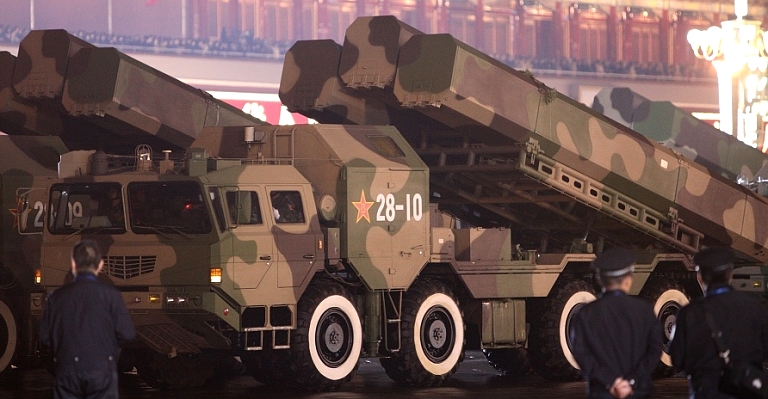 The
ground
launched CJ-10 Long Sword is a strategic cruise missile modelled on the
United States BGM-109G GLCM and Soviet RK-55 Relief, the latter both
scrapped under treaty obligations. Chinese sources credit this missile
with a range of up to 1,100 nautical miles. It carries a range of
different 770 lb or 1,100 lb warheads. The PLA Second Artillery Force
has currently up to 30 deployed TELs (Chinese internet).
|
|||||||||||||||
|
|||||||||||||||
Background
|
|||||||||||||||
Tactical Cruise Missiles |
|||||||||||||||
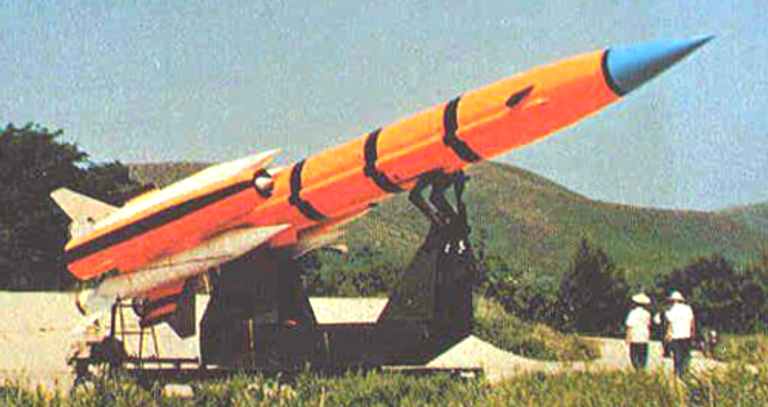
HIAC C-101 / YJ-16 / CSS-C-5 Saples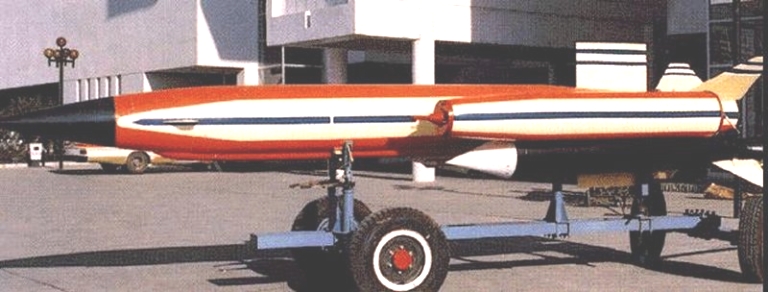 The C-101 is China's first
indigenous supersonic cruise missile. This design is analogous to
Soviet first generation supersonic cruise missiles, but is a unique
design employing ramjet propulsion in an arrangement most akin to the
Bristol Bloodhound SAM.
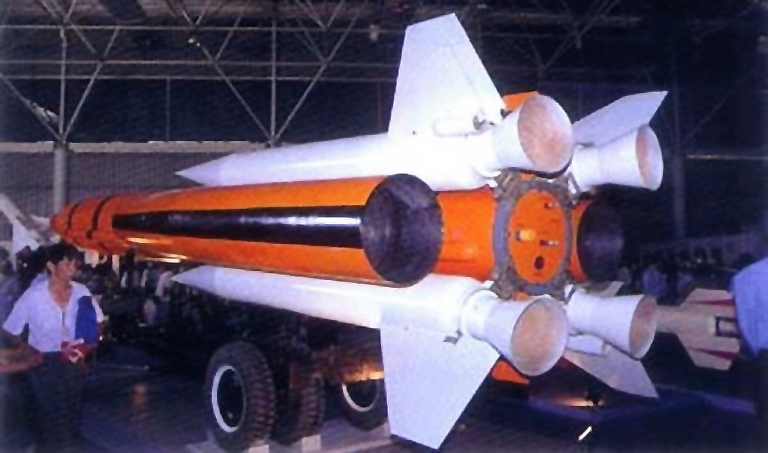
The missile uses a pair of
jettisonable solid rocket boosters which accelerate it up to Mach 1.8.
upon which the 180 kN ramjet sustainers are started and the missile
accelerates up to its cruise speed of ~Mach 2.0. The sustainers are
fuelled with 200 kg of aviation kerosene. The cruise altitude is
programmed at 50 metres AMSL, and terminal closure to target from a
distance of 5 km to impact is at 5 metres AMSL. Range is cited at 45 km.
Two variants exist, one for air launch, the other for surface combatants.
The pulse Doppler active radar
seeker operates in the 2 centimetre band. A 300 kg semi-armour piercing
warhead is employed. Hydraulically actuated canards are used for pitch
control, and tail surfaces for roll and yaw control. An unusual feature
are the dorsal and smaller ventral vertical stabiliser fins.
IOC was achieved during the 1990s, with the weapon used as a replacement for the HY-2 and YJ-6 while the PLA awaited the delivery of newer Russian missiles. The surface launched C-101 has been reported deployed on Heku/Komar class and other fast missile boats, the air launched variant on the H-6 Badger, H-5 Beagle and SH-5 LRMP. 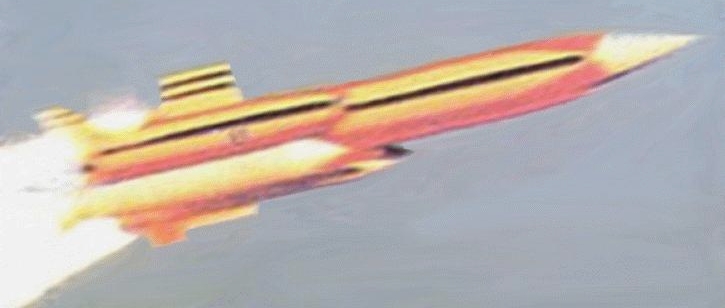 |
|||||||||||||||
CHETA HY-1 / CSS-C-2 SilkwormCHETA SY-1/FL-1 Flying Dragon / CSS-N-1
Scrubbrush
|
|||||||||||||||
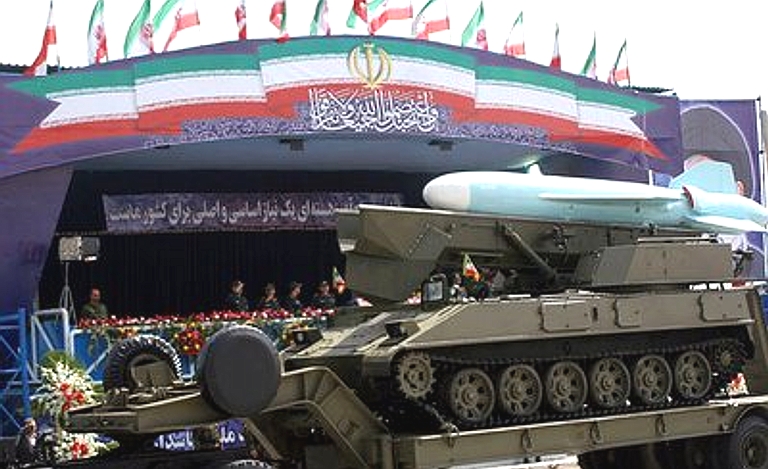
CHETA C-201/HY-2 / CSS-N-2 / CSS-C-3 Seersucker/“Silkworm”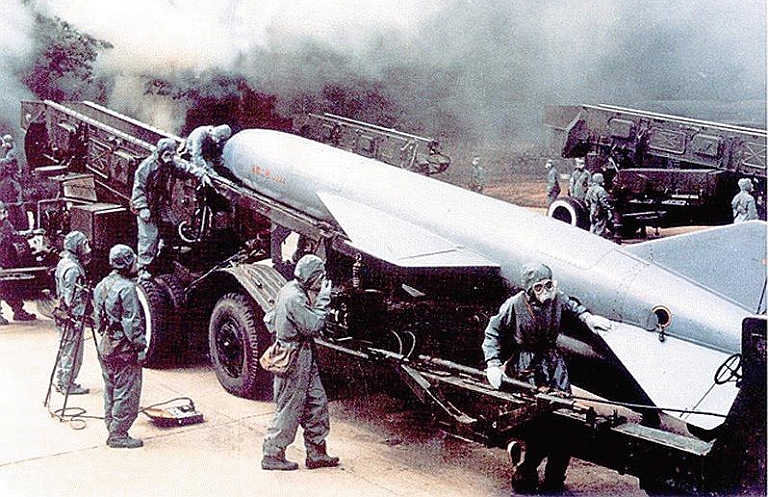 Fuelling
up a HY-2 missile. The
toxic and corrosive AK-20F/TG-02 propellant mix necessitates the use of
chemical suits, a major operational encumbrance for this family of
missiles.
Commonly labelled as the
“Silkworm”, the HY-2 Seersucker is a re-engineered and stretched HY-1
Silkworm, and remains one of China's most widely exported weapon
systems. The ~1.5 metre fuselage extension provides ~700 kg larger fuel
capacity than the Styx series, roughly doubling range to ~110 NMI. The
weapon retains the 513 kg full fuselage diameter shaped charge warhead
of the original Styx. The missile will cruise at 300 - 1,000 ft AMSL
until its seeker acquires the target, upon which it descends to ~25 -
100 ft AMSL, depending on variant, for the terminal homing approach to
the target.
Known variants include the:
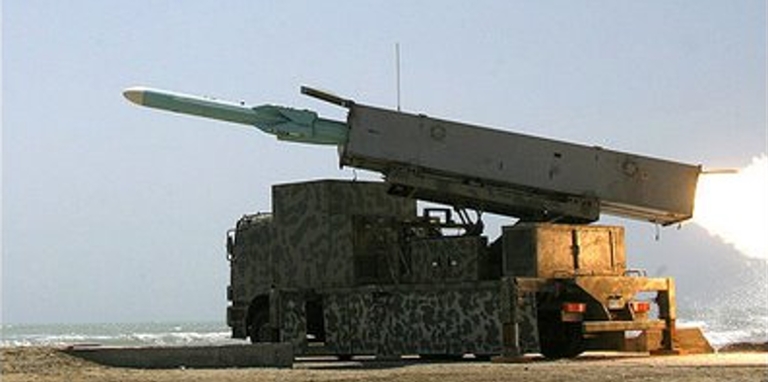
While the Styx family of cruise missiles is widely regarded to be obsolete today, and too large and slow to penetrate modern defences on warships, the missile remains strategically important, due to its lethality and wide deployment. Used against transports, tankers, amphibious ships and other targets without defensive systems, the missile is highly lethal. Not only does it carry a large warhead, but the unburned hypergolic fuel produces considerable incendiary effect. 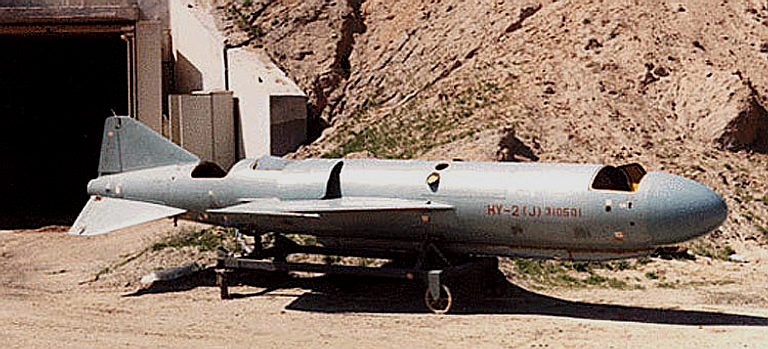 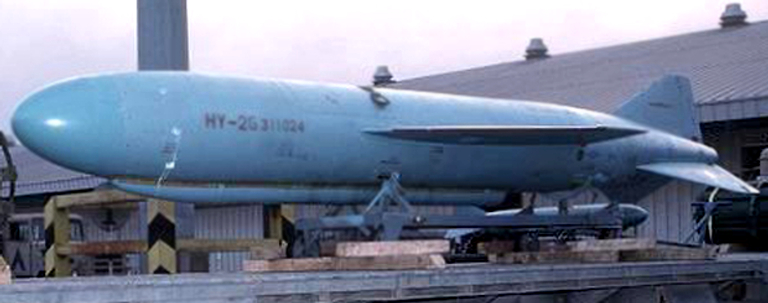 HY-2G
variant.
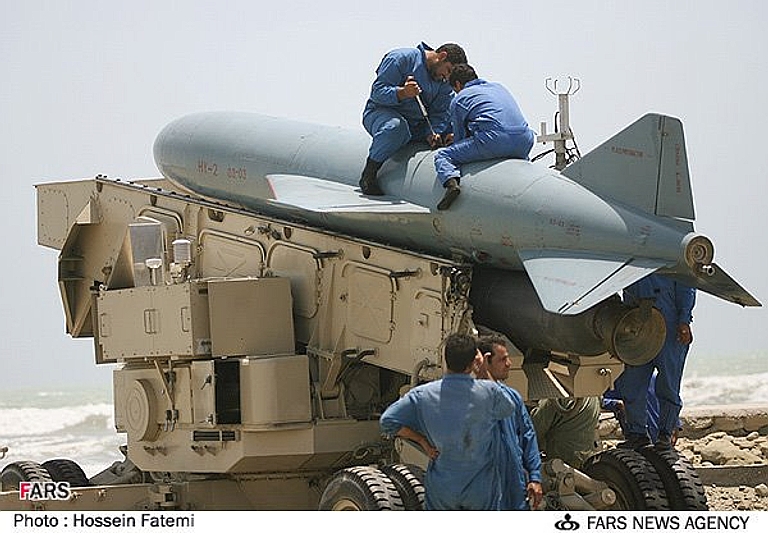 Iranian
HY-2
coastal
battery
towed launcher (FARS).
|
|||||||||||||||
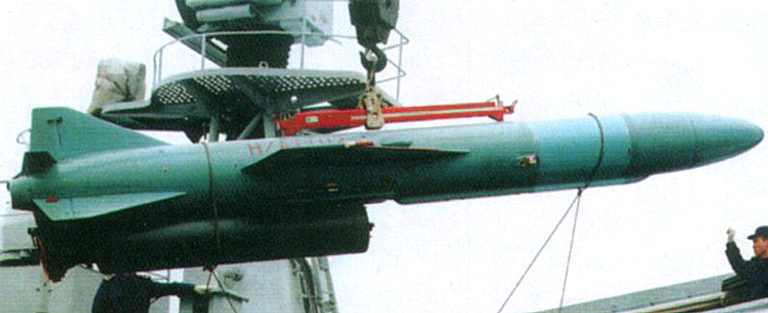 The SY-2 / CSS-N-5 Sabot is a solid rocket
powered derivative of the Styx. It is readily distinguished by the
cylindrical fuselage shape and pair of small horizontal surfaces at the
base of the vertical stabiliser.
The SY-2 is the replacement
missile for the earlier SY-1 cloned Styx, intended for deployment from
surface combatants and coastal batteries. While it is a Styx
derivative, it is a substantial redesign with a solid propellant rocket
motor rather than the cumbersome liquid propellant design of the Styx.
It is often mislabelled in the literature as one of the two earlier
liquid propellant variants.
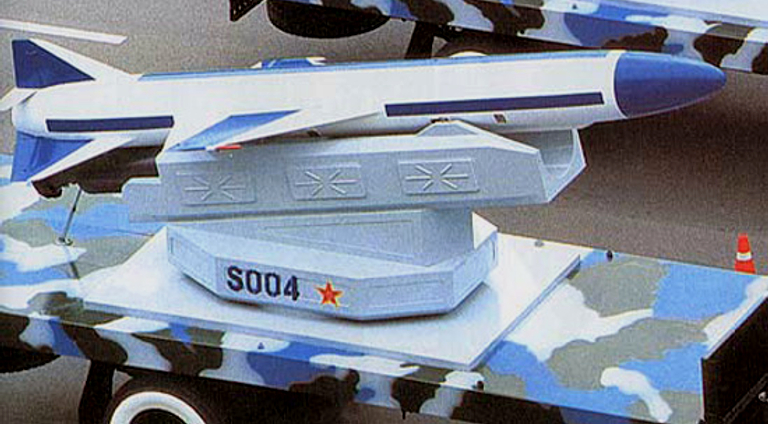
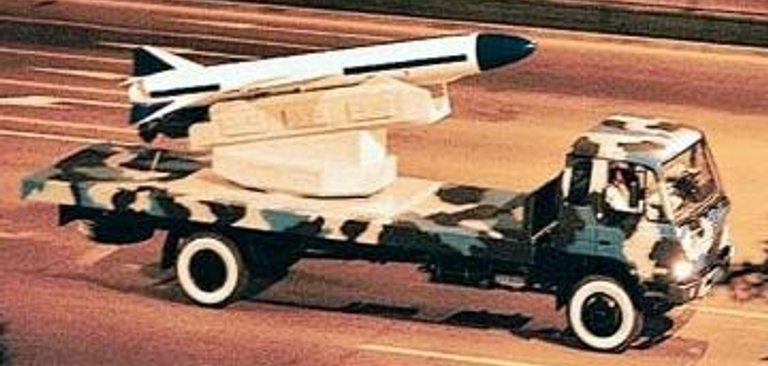
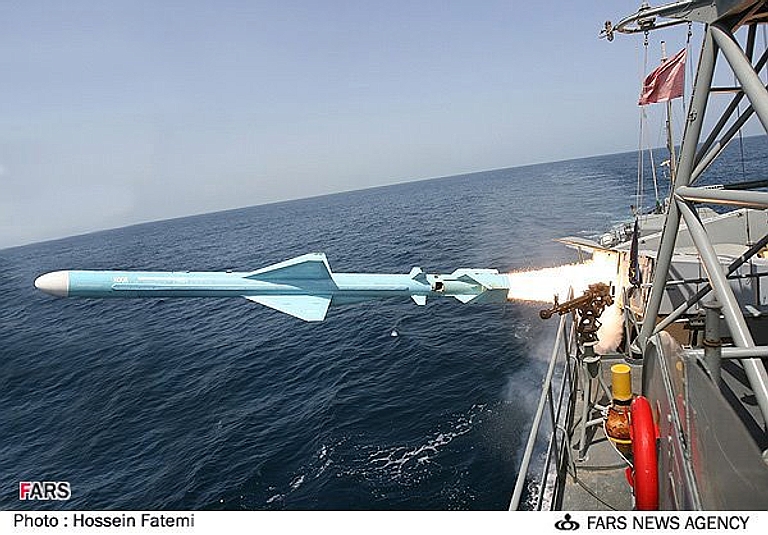
While the basic airframe configuration is the same, and the wings and anhedralled tail likely identical, the new fuselage is cylindrical but longer. Development of this weapon was initiated during the 1970s and IOC achieved during the 1990s. There are claims that the improved SY-2A has a turbojet powerplant, but little material is available on this weapon. The basic version has a cited range of 50 - 130 km. The SY-2 is deployed on a number of surface combatants previously armed with Styx variants. The export variant of this missile is the FL-2. This weapon is believed to have been exported to Iran, as pictures of it appear frequently on Iranian websites. While the Styx family of cruise missiles is widely regarded to be obsolete today, and too large and slow to penetrate modern defences on warships, the missile remains strategically important, due to its lethality and wide deployment. Used against transports, tankers, amphibious ships and other targets without defensive systems, the missile is highly lethal. 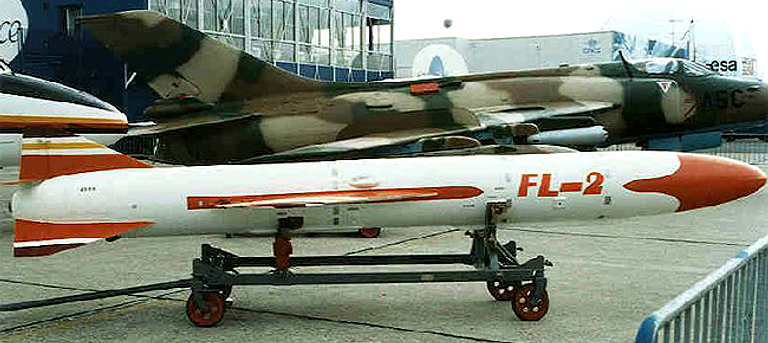 Display
model
of
export
FL-2
variant.
 FL-2
coastal
battery
self-propelled
launcher
of the PLA.
Iranian FL-2
coastal
battery self-propelled launcher (FARS).
|
|||||||||||||||
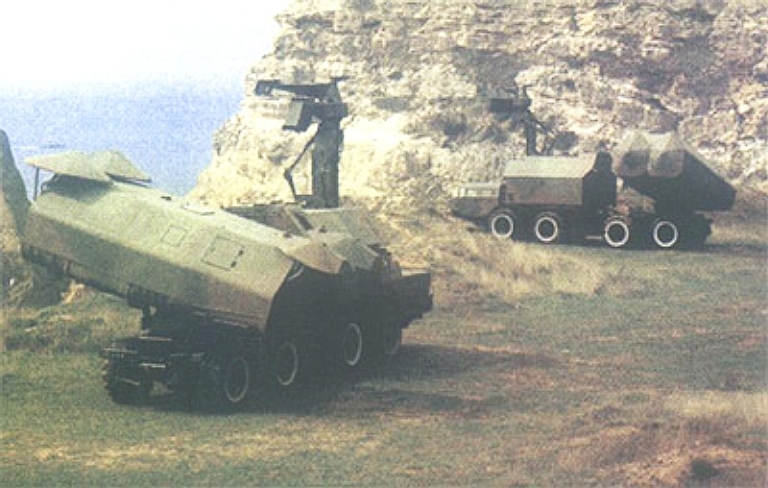
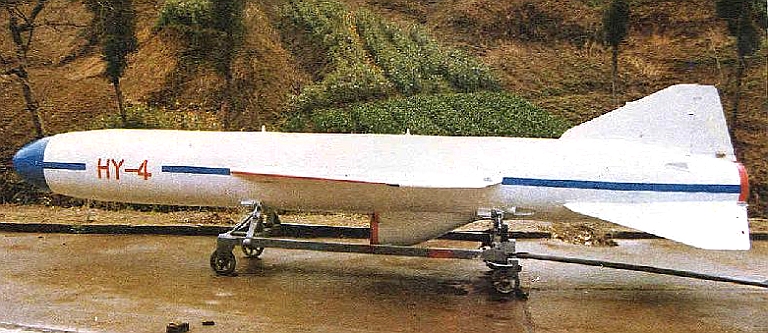
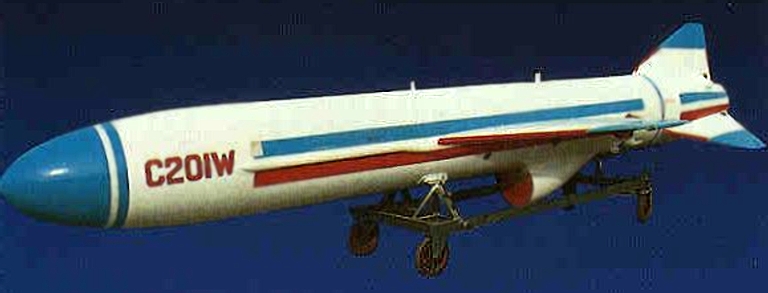
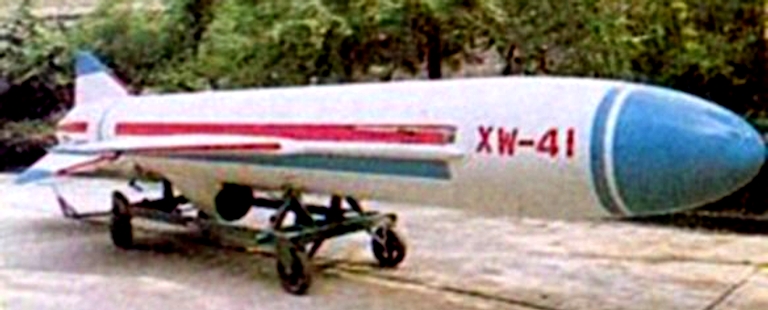
CHETA C-201W / HY-4/HY-4A/G / HY-41 /
CSS-C-7 Sadsack
|
|||||||||||||||
C-301 / FL-3 / CSS-C-6 Sawhorse
|
|||||||||||||||
CHETA YJ-6/C-601 / YJ-61/C-611 / CAS-1 Kraken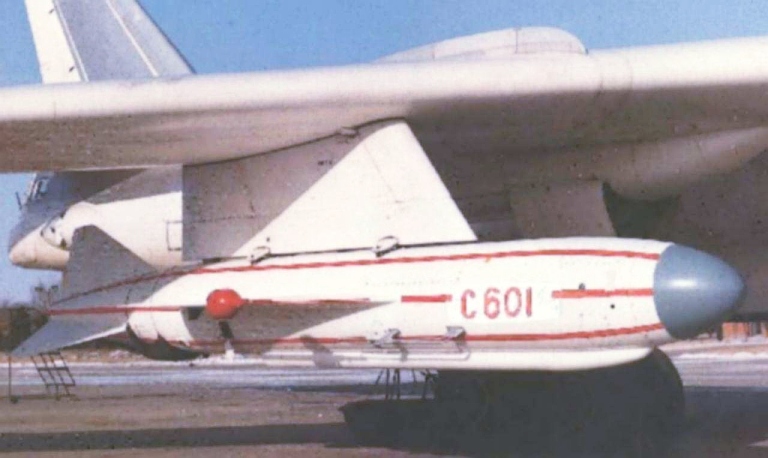 The CAS-1 Kraken series of
missiles are air launched derivatives of the C-201/HY-2 / CSS-N-2 /
CSS-C-3
Seersucker cruise missile. The basic weapon is in most respects
identical to the HY-2, with necessary modifications for air launch such
as dorsal hardpoints.
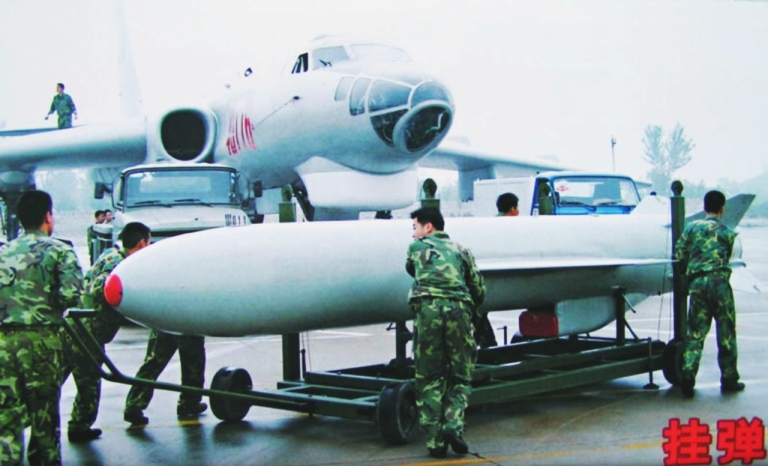
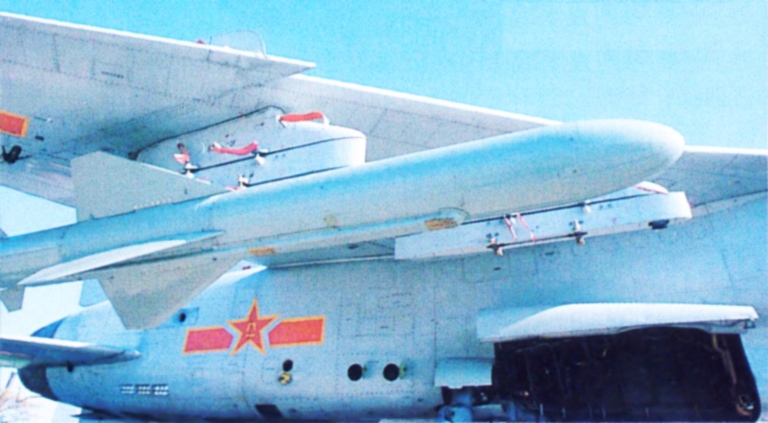
The Kraken is most frequently seen carried in pairs by the H-6D Badger variant operated by the PLA-N, and exported in small numbers to the Middle East. The H-6D is largely identical to the baseline H-6A/B variants, but is equipped with the Type 245 attack radar, itself based on the Soviet Square Tie fire control radar developed for the Styx armed Komar and Osa boats. The Kraken has also been reported on the H-5 Beagle, which carries a single round. The YJ-61/C-611 is an improved variant. It has a slightly extended fuselage, and is claimed to use a higher energy density propellant mix and better engine design. Cited range for the YJ-6/C-601 is ~100 km, for the YJ-61/C-611 ~200 km. Terminal phase altitudes are cited at 50, 70 and 500 metres AMSL. While the Styx family of cruise missiles is widely regarded to be obsolete today, and too large and slow to penetrate modern defences on warships, the missile remains strategically important, due to its lethality and wide deployment. Used against transports, tankers, amphibious ships and other targets without defensive systems, the missile is highly lethal. 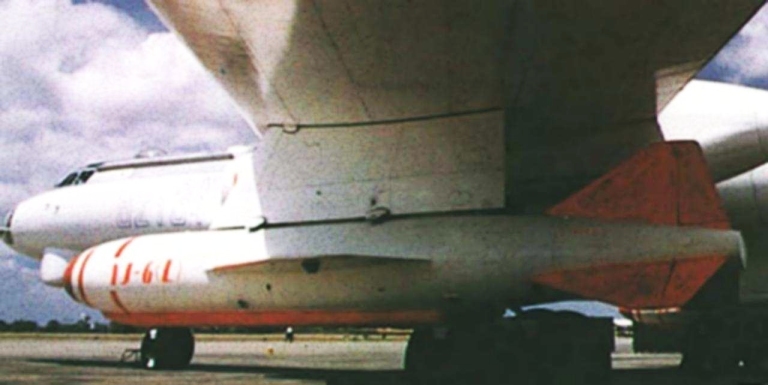 CAS-1 Kraken on a H-6D Badger (PLA-N). 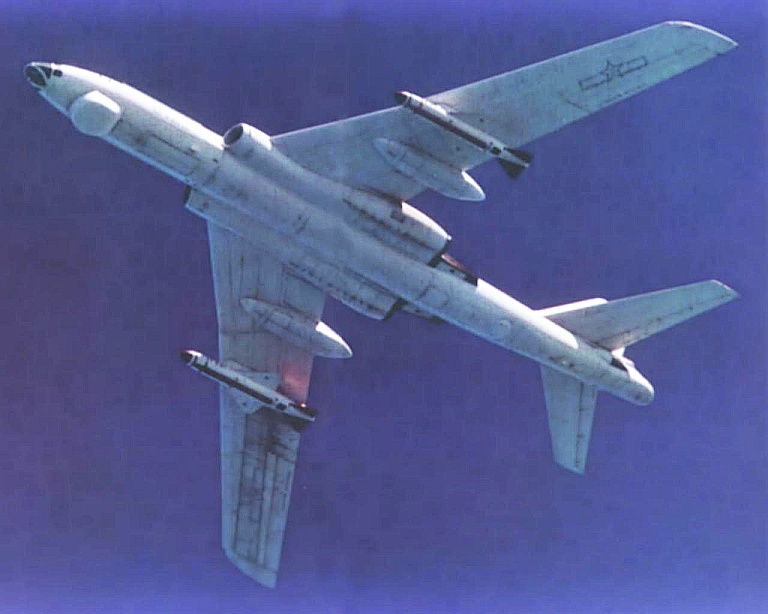 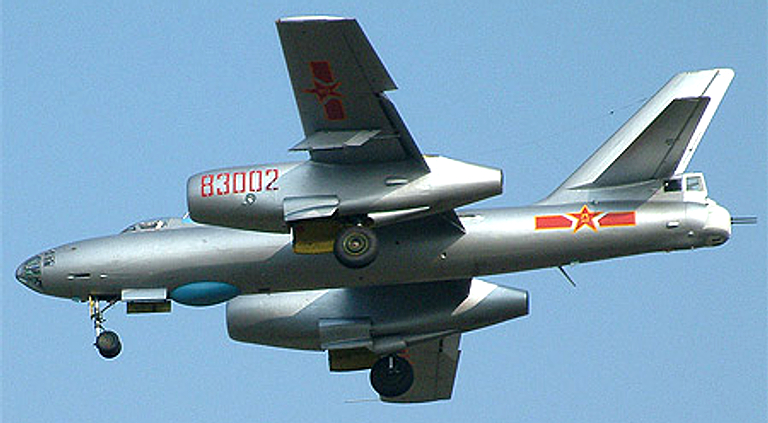 H-5
Beagle
of the PLA-AF.
|
|||||||||||||||
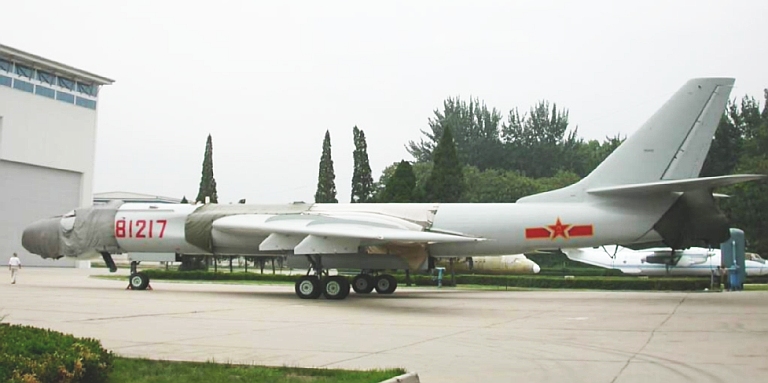
CHETA YJ-63/KD-63
The recently revealed
YJ-63/KD-63 is a
derivative of the air-breathing HY-4 Sadsack. While it retains the
delta wing and fuselage shape of the HY-4, it uses a new cruciform tail
design, and includes a television / datalink terminal guidance package,
with a reported satellite aided inertial midcourse guidance package.
More recently images have emerged of a variant with a dielectric nose
radome, equipped with a radar or anti-radiation seeker.
It is thus a dual role weapon, capable of precision strikes against land and maritime targets. It is carried by the newly designed H-6H Badger variant, replacing the pair of CAS-1 Krakens carried by earlier variants. Range is cited at around 100 nautical miles.
|
|||||||||||||||
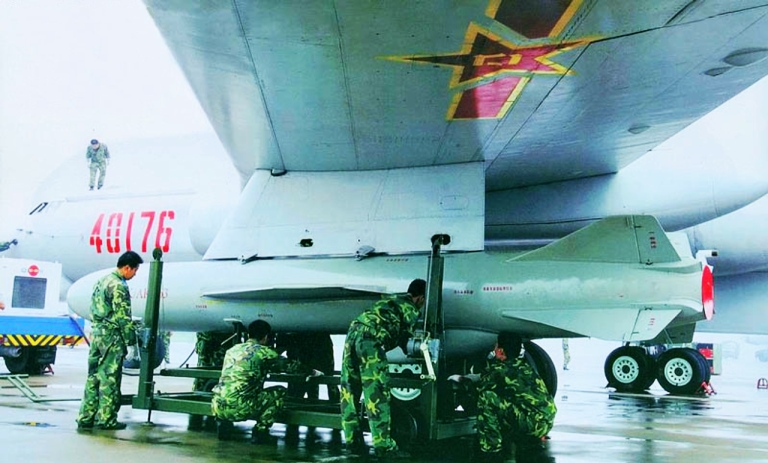
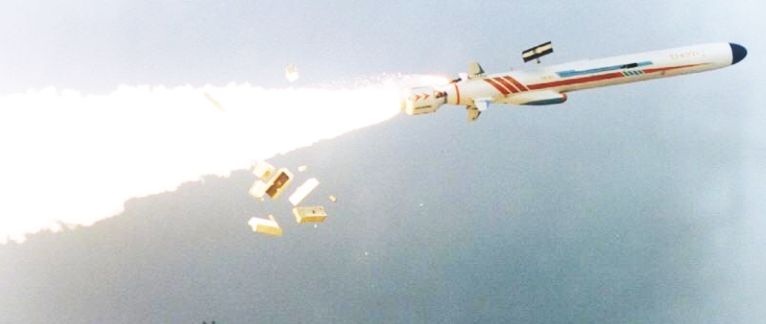
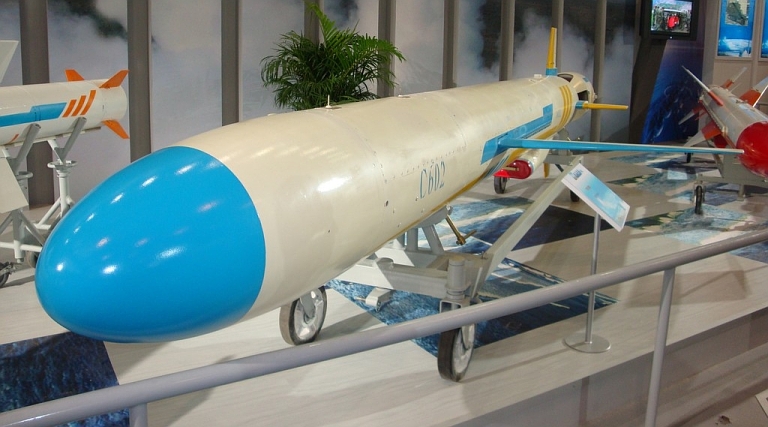
CASIC
YJ-62/C-602
|
|||||||||||||||
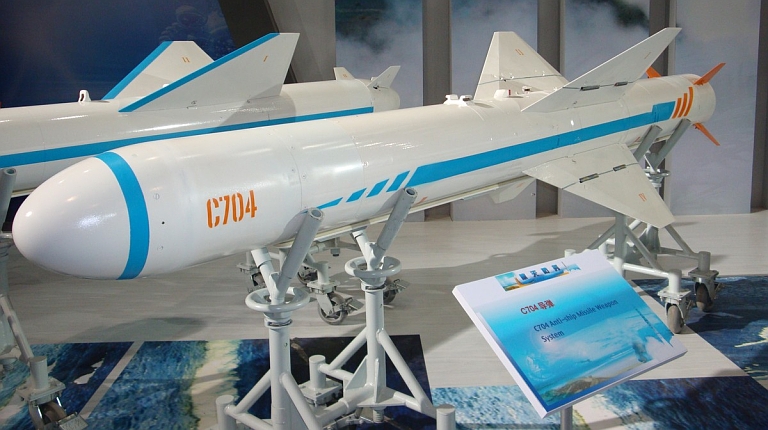
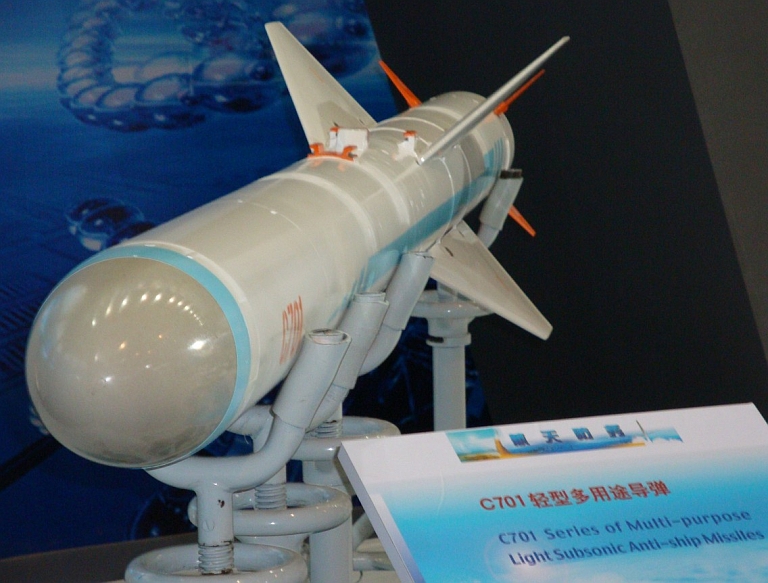
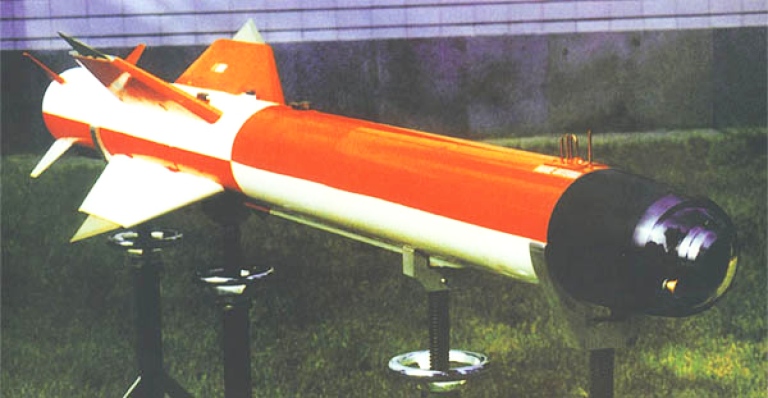
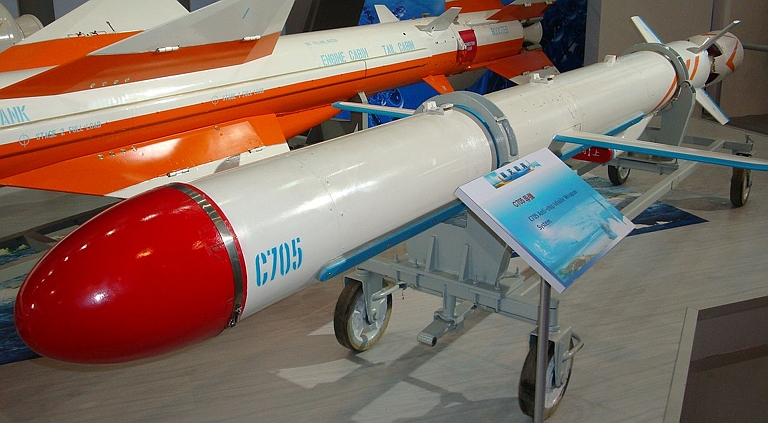
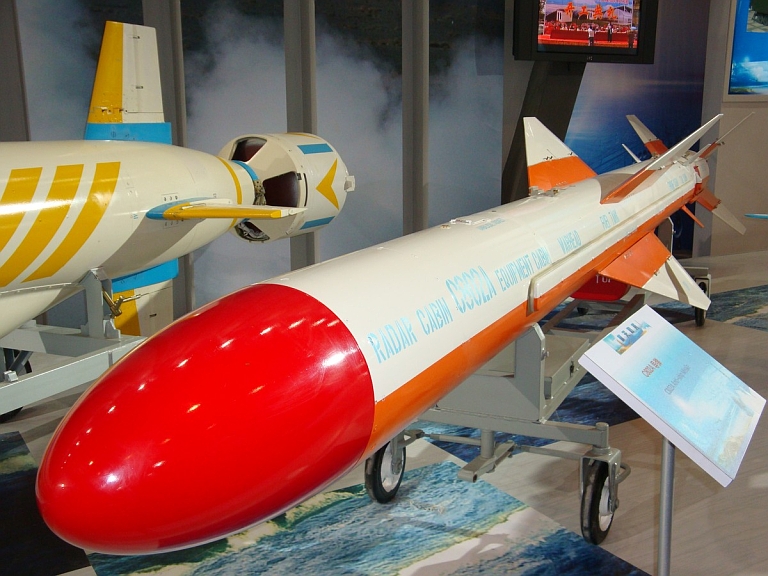
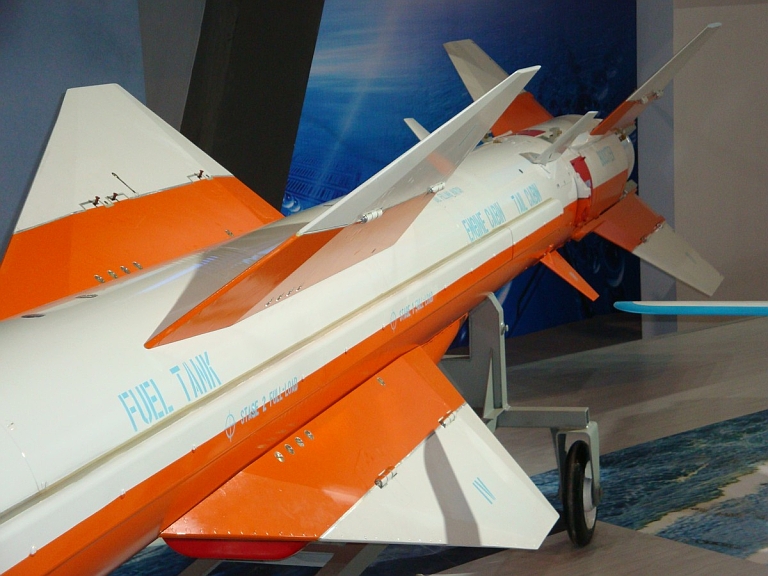
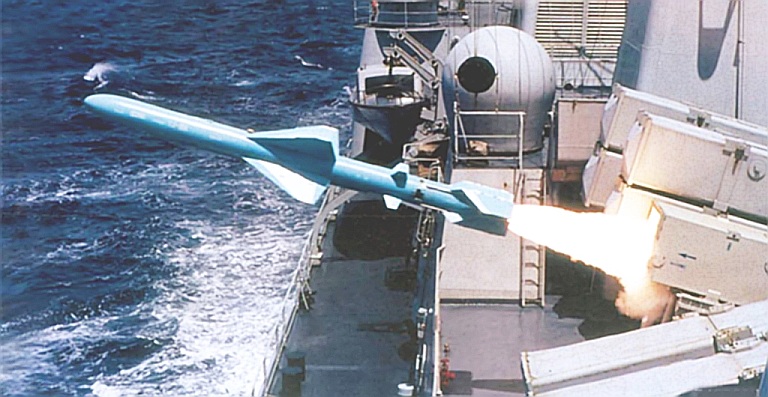
CHETA C-701/C-701KD, C-704/C-704KD, C-705
Above C-704 cruise missile with active radar seeker (images © 2009, Zhenguan Studio). The C-701 and C-704 missiles are analogues to the French Exocet family of missiles, available with a range of active radar and electro-optical terminal seekers.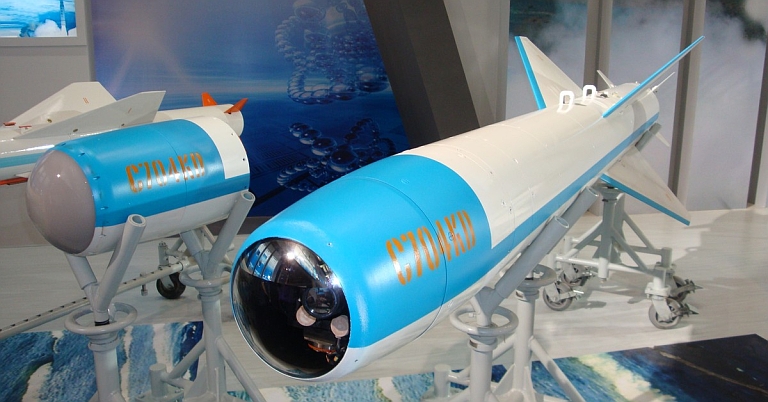 C-704KD
Electro-Optical
variants with gimballed TV and IIR seekers, at Zhuhai 2008. The IIR
version uses a Magnesium Fluoride window (images © 2009,
Zhenguan Studio).
C-701 anti-ship cruise
missile with active radar seeker displayed at Zhuhai 2008 (image © 2009,
Zhenguan Studio).
C-701KD
variant with
Electro-Optical seeker.
The C-705 is a planar wing derivative of
the C-701/704 family of weapons. It was first displayed at Zhuhai 2008
(image © 2009,
Zhenguan Studio).
|
|||||||||||||||
CHETA
YJ-8/YJ-81/C-801, YJ-82/C-802, YJ-83/C-803 and KD-88
|
|||||||||||||||
Strategic Cruise Missiles |
|||||||||||||||
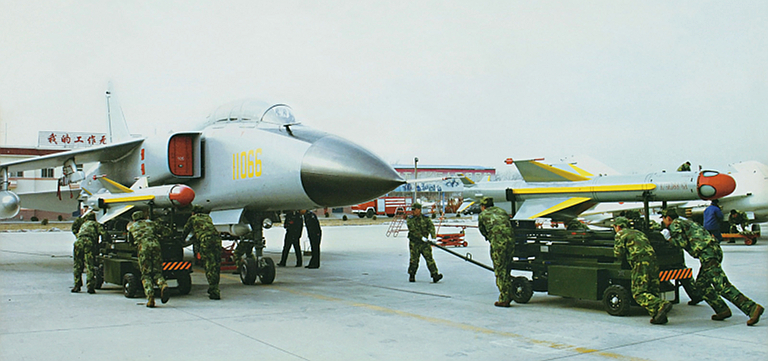
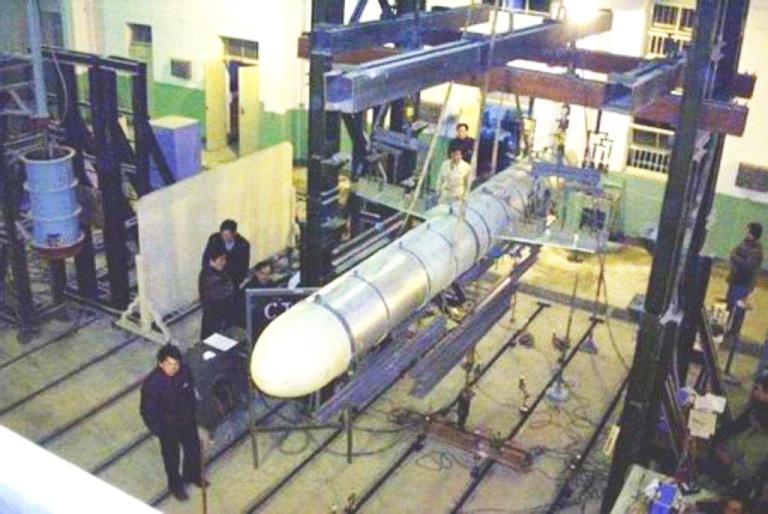 Undesignated
PLA
cruise
missile,
possibly a DH-10 or HN series prototype. China has had a long running
program aimed at developing strategic land
attack cruise missiles suitable for aerial, sub and ship deployment.
Reports abound claiming the PRC has actively shopped the Middle East
for debris from expended or failed Tomahawk rounds. More recently
credible reports emerged claiming China has purchased tooling for the
Raduga Kh-65SE, the reduced range export variant of the Kh-55 (AS-15
Kent) which is Russia's answer to the Boeing AGM-86B ALCM. There is
also a wealth of documentary evidence covering a covert operation in
which China procured from the Ukraine multiple Kh-55 rounds and test
equipment. Many sources
claim that the PLA now operates the indigenous HN-1 (320 NMI/600 km),
HN-2 (800+ NMI/1,500+ km) and the HN-3 (1,350 NMI/2,500 km). The sole
good quality image to emerge suggests these weapons are clones of the
BGM-109 Tomahawk, suitable for naval and aerial launch. The CJ-10/DH-10
cruise missile, declared operational, also resembles a Tomahawk. Given the availability of Russian
TERCOM, DSMAC, Glonass,
Western GPS and computer technology, the only issue for the PLA will
lie in good quality 12 inch 600 lb class turbofan availability to power
a genuine AGM-86/BGM-109 class strategic cruise missile. With
submarines, surface warships and H-6H Badgers, there is no shortage of
launch platforms. The recently unveiled H-6H variant with four wing
pylons is clearly intended for such a role. |
|||||||||||||||
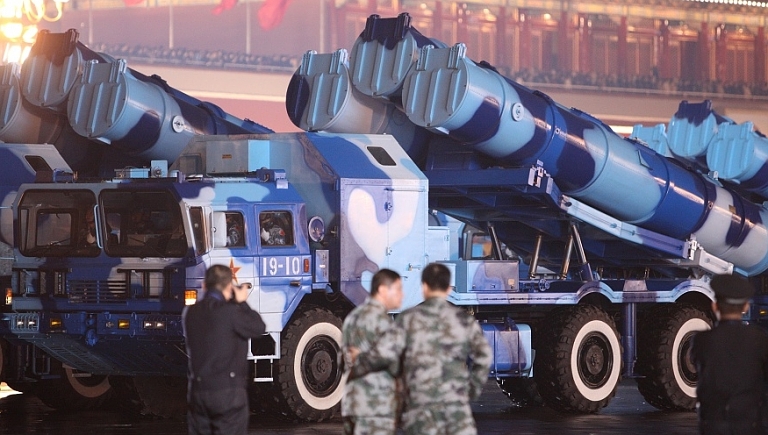
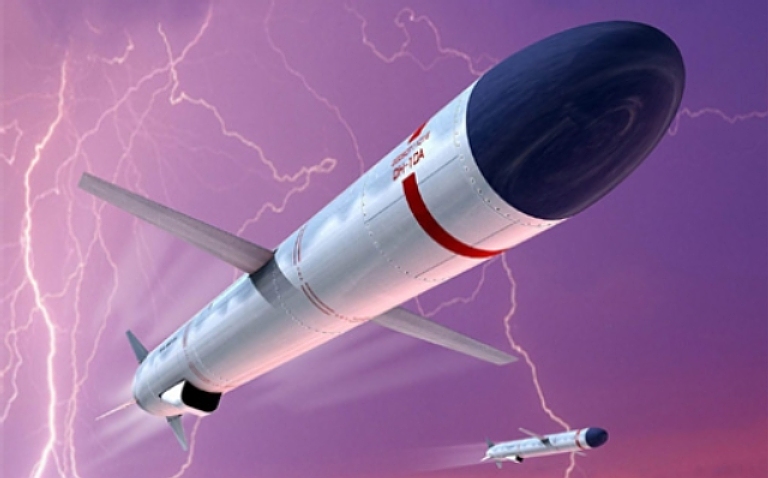
CJ-10 Long Sword / DH-10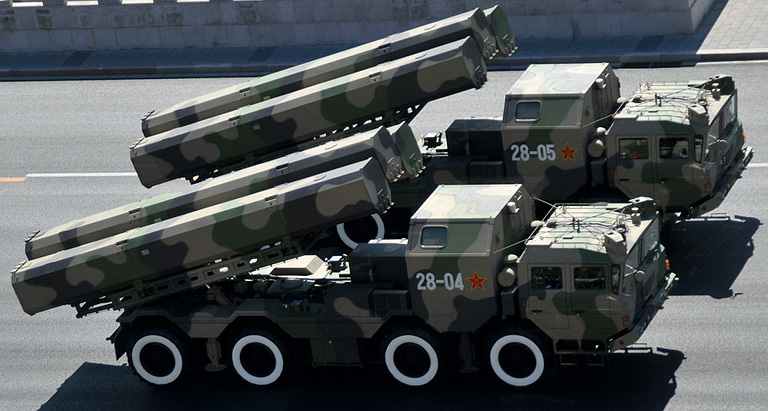 Chinese
sources
report the ground launched CJ-10 to be the GLCM variant of the
DH-10 design, carried on a three round TEL (Chinese Internet).
The Chang Jian (Long Sword)
CJ-10 long range cruise missile system is reported to have started
trials with the Second Artillery Force in 2004 and as of September
2009, between 50 and 250 missiles had been deployed along with between
20 and 30 launch vehicles.[4] Their
existence was initially revealed by Chinese media during the practice
parade for 60th anniversary of the People’s Republic of China. The
system is identified by three long launch canisters, of octagonal cross
section, mounted on the rear of the Chinese WS 2400 8 x 8 Transporter
Erector Launcher (TEL), the missile has a reported range of over 1,500
km (~800 NMI) and up to 2,000 km (~1,100 NMI).
Identified in the 2008 Annual Report to Congress Military Power
of the People’s Republic of China as the DH-10, it is a land
based derivative of the Kh-55/AS-15 Kent,
at
least
six
being illegally transferred in 2000 from the Ukraine to
China.[5] A Chinese article on
the CJ-10 commented on Western military analysts comparing the CJ-10 to
the defunct United States BGM-109G
Gryphon, and its Soviet equivalent, the 3,000 km (~1,600 NMI) range
RK-55 / SSC-X-4 ‘Slingshot’ which they claim was developed from the
Kh-55 - this is only partly correct, insofar as the RK-55
Relief / SSC-4 Slingshot was derived from the naval S-10 / 3M-10 /
RK-55 Granat / SS-N-21 Sampson airframe.[6]
It
also
discussed
Western observers commenting on the illegal transfer
of the Kh-55 and did not deny that, nor that the CJ-10 is based on the
Kh-55.
The missile uses both GLONASS
and GPS satellite systems for guidance, with four different types of
warheads available; a heavy variant weighing 500kg, and three 350kg
variants: high explosive blast, submunition and earth penetrator.[7]
The WS2400 series 20 tonne 8 x
8 cross-country vehicles are for all intents and purposes copies of
the Russian MAZ-543/7910 8 x 8 TEL, also used previously for the
RK-55. When used as the TEL for the CJ-10, it is designated as
the PHL-03 and has a maximum road speed of 60 km/hr with a maximum
range of 650km using sealed roads. It can climb a 57% slope and
cross water up to 1.1. metres deep.[8]
Compared to the defunct United States GLCM, the CJ-10 has one less missile, and the three missiles are in separate canisters following the Russian model, whereas on the GLCM system they were in a single quad-pack launcher. The Russian SSC-X-4 had six launch tubes on the same TEL so the number of CJ-10 launch canisters could be doubled to six without unusual difficulty. The CJ-10, along with the
introduction of the YJ-62/C-602 dual-role long-range cruise missile and
the satellite guided DF-15D Intermediate Range Ballistic Missile, is
another reason why Russia would like to scrap the INF Treaty.
|
|||||||||||||||
References
|
|||||||||||||||
|
|
|||||||||||||||
Imagery Sources: US DoD, PLA, Manufacturers, Chinese Internet. Line Artwork: © 2000, 2007, 2008, 2009 Carlo Kopp Technical Report APA-TR-2009-0803 |
|||||||||||||||
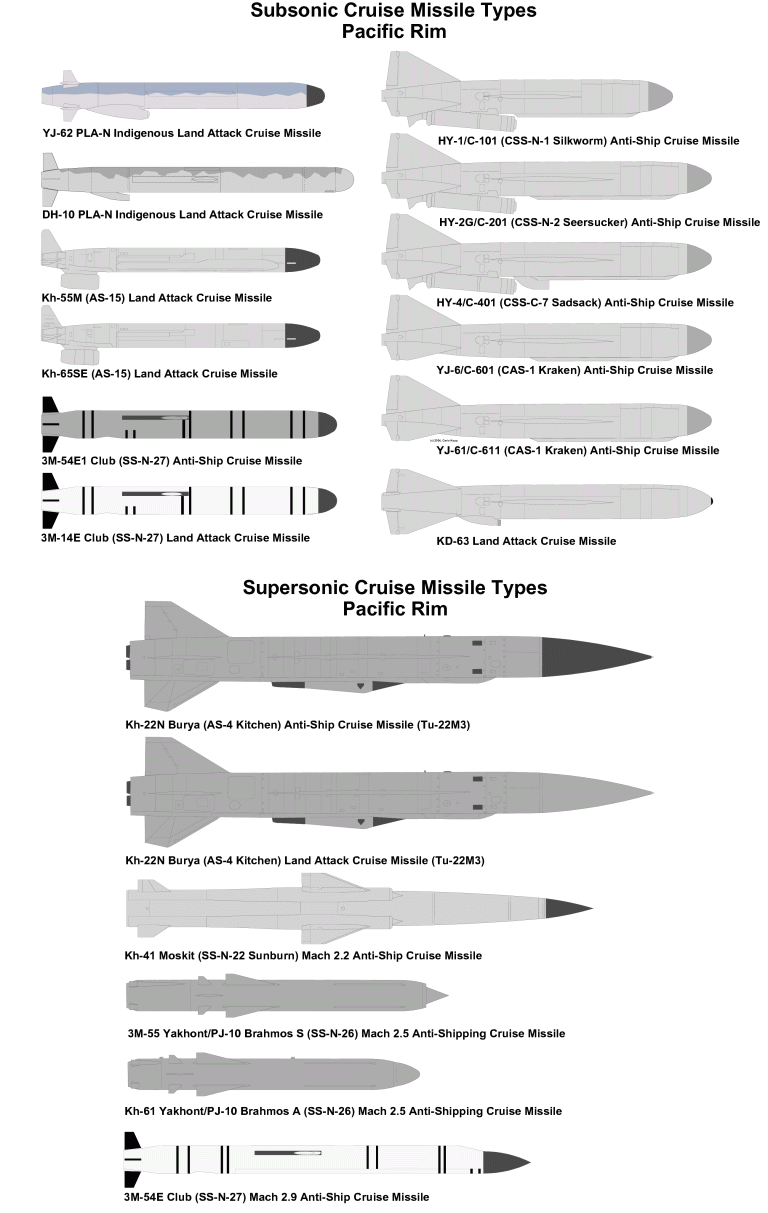
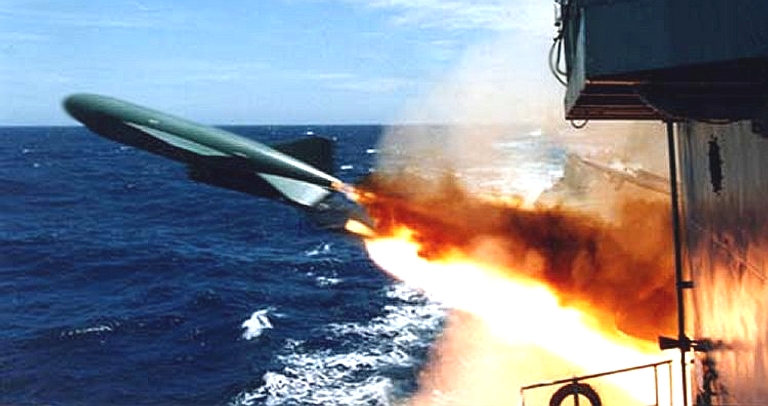
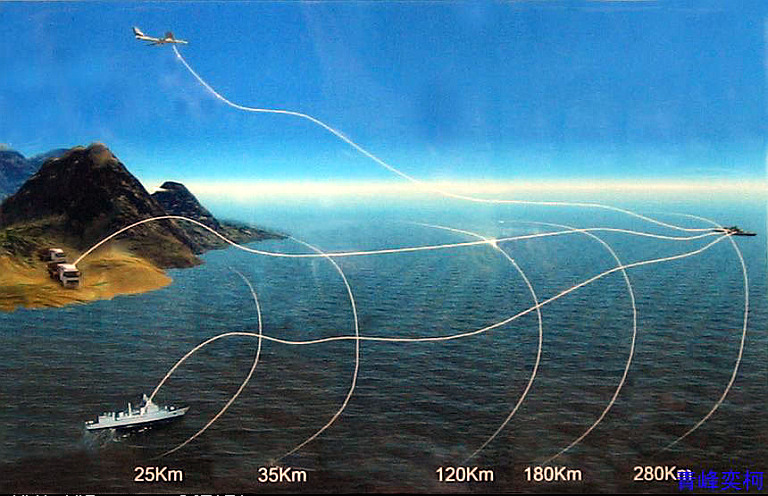
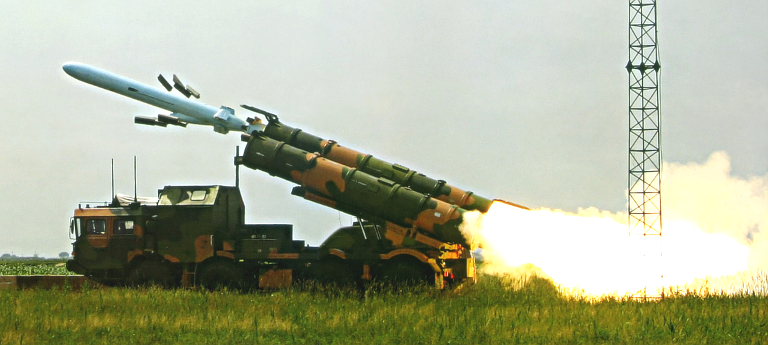
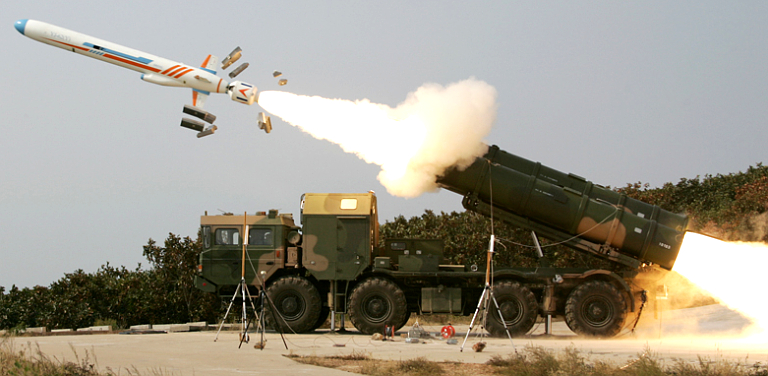
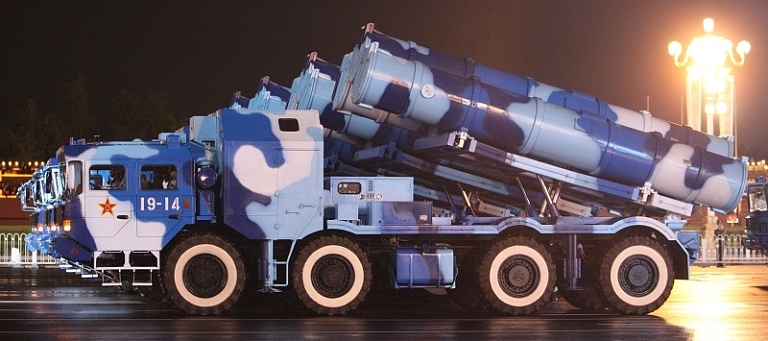
|
|||||||||||||
|
|
|
|
|
|
|
|
|
|
|
|||
|
|
|
|
|
|
|
|
|
|
|
|||
 |
|
|
|||||||||||
| Artwork, graphic design, layout and text © 2004 - 2014 Carlo Kopp; Text © 2004 - 2014 Peter Goon; All rights reserved. Recommended browsers. Contact webmaster. Site navigation hints. Current hot topics. | |||||||||||||
|
Site Update
Status:
$Revision: 1.753 $
Site History: Notices
and
Updates / NLA Pandora Archive
|
|||||||||||||
|
|
Tweet | Follow @APA_Updates | |||||||||||
|
|
|||||||||||||
|
|
|||||||||||||