|
||||||||||||||||||||||
 |
||||||||||||||||||||||
![F-22A Raptor, FB-22, F-22E, F-22N and Variants Index Page [Click for more ...]](APA/f-fb-22.png "F-22A Raptor, FB-22, F-22E, F-22N and Variants Index Page [Click for more ...]") |
 |
![People's Liberation Army Air Power Index Page [Click for more ...]](APA/pla-air-pwr.png "People's Liberation Army Air Power Index Page [Click for more ...]") |
 |
 |
 |
 |
 |
 |
![Military Ethics, Culture, Education and Training Index Page [Click for more ...]](APA/ethx-culture.png "Military Ethics, Culture, Education and Training Index Page [Click for more ...]") |
 |
||||||||||||
 |
![Russian / Soviet Weapon Systems Index Page [Click for more ...]](APA/rus-weps.png "Russian / Soviet Weapon Systems Index Page [Click for more ...]") |
 |
 |
 |

|
 |
 |
 |
 |
 |
||||||||||||
 |
 |
 |
||||||||||||||||||||
| Last Updated: Mon Jan 27 11:18:09 UTC 2014 | ||||||||||||||||||||||
|
||||||||||||||||||||||
|
||||||||||||||||||||||
|
||||||||||||||||||||||
|
|
|
|
|
|
|
|
|
|
|
||||||||||||
|
|
|
|
|
|
|
|
|
|
|
||||||||||||
| |
|
|
||||||||||||||||||||
| Last Updated: Mon Jan 27 11:18:09 UTC 2014 | ||||||||||||||||||||||
|
||||||||||||||||||||||
F-35 Joint Strike Fighter vs
Russia's New Airborne Counter-Stealth Radars
|
||||||||
|
Air Power
Australia - Australia's Independent Defence Think Tank
|
||||||||
| Air Power Australia NOTAM 14th September, 2009 |
||||||||
|
||||||||
|
||||||||
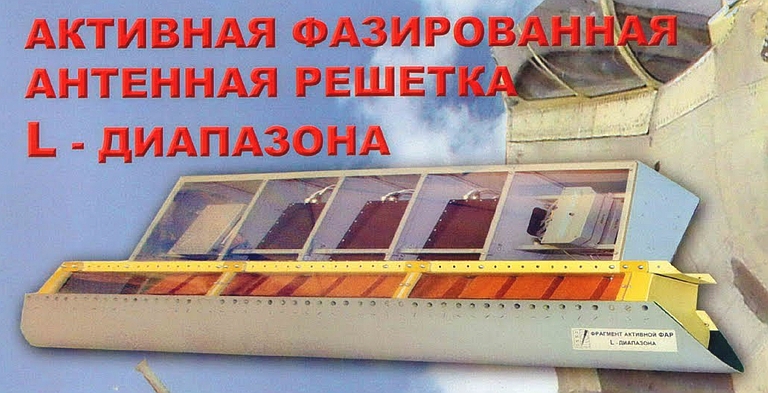 (Tikhomirov NIIP image) |
||||||||
| In the deadly pursuit of a fighter versus
fighter superiority even a small advantage can have disproportionate
effects on the cardinal air combat effectiveness measure –
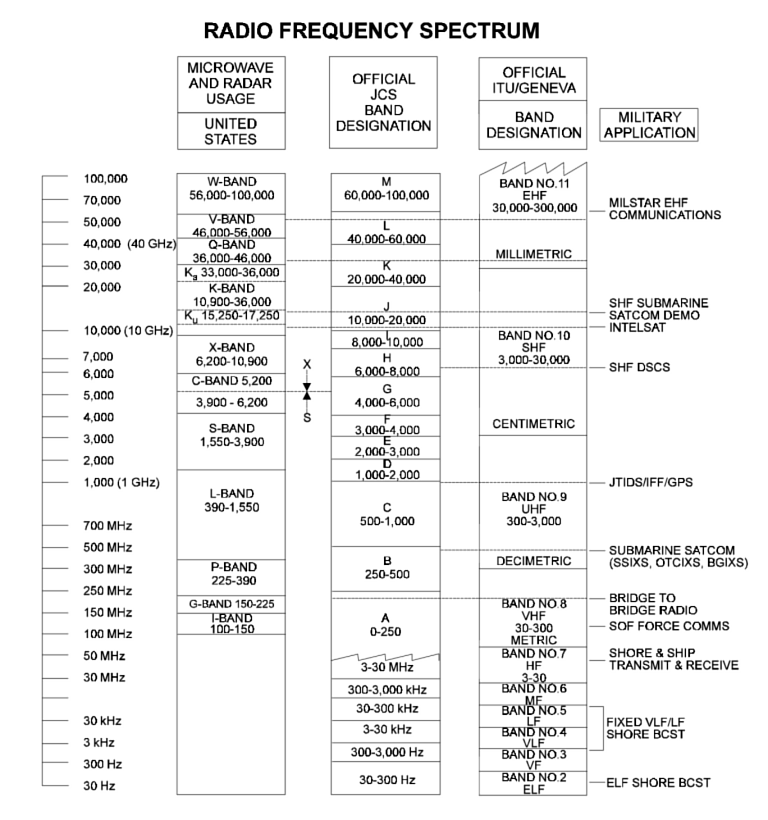
loss-exchange rates (LER). In Russia, evolution of the Sukhoi family of fighter aircraft, and in China the revolution of the J-10B Sinocanard, shows that their designers and strategic planners are thinking about the future of air combat with a clear intent to fight and win. Faced with the capabilities of the planned ~700 F-22A (now chopped back to 187) and over 2,000 F-35 Joint Strike Fighters, they have been exploring ways of negating the effects of low observability against X-Band radar. The Sukhois have integrated Infra-Red Search and Track Systems (IRST) to detect and engage radiating aircraft with Beyond-Visual-Range (BVR) missiles, and are employing countermeasures resistant two colour Infra-Red (IR) seekers in newer missiles. What if a fighter aircraft was fitted with a sensor system, which operates outside the radar frequencies where X-band stealth is most effective? Shaping is a critical aspect of stealth design, since the facets and aligned edges in stealth designs bounce hostile radar returns away from the radar producing them. A stealth design shaped to beat X-band radars will lose effectiveness in the lower S-band, and become even less effective in the L-band, performance becoming progressively worse as the operating band of the radar is moved away from the design target X-band. If a fighter, which produces a tennis ball sized radar return in the X-band, produces a basketball or beachball sized radar return in a lower band, a sensor operating in that lower band nullifies the stealth capability. The fighter built with “narrowband” X-band stealth is no longer difficult to detect and must fight it out using its aerodynamic capabilities alone. If a sensor can bypass the stealth of the F-22A Raptor, this fighter still has sufficient aerodynamic performance to compete effectively in both Beyond Visual Range and close combat. The same is not true for the F-35 Joint Strike Fighter, since it is an overweight and underpowered design, incapable of competing aerodynamically against the newer Flanker variants, and completely outclassed by the latest supercruising Su-35S Flankers. Dr Carlo Kopp of Air Power Australia explored low band AESAs embedded in fighter wing leading edges in 2007 and concluded that this concept is operationally and technically viable. Study results were not published by APA, due to the potentially adverse impact – APA has a long standing policy of not publishing concepts that might provide potential adversaries with a competitive combat advantage. However, unbeknownst to APA, Tikhomirov NIIP were already working on this concept for two or more years, and revealed the technology at the Russian MAKS 2009 Airshow this August. The appearance of the first L-Band Fighter Radar is an excellent example of focused and intelligent lateral thinking which targets opponents' weaknesses. This is sound technological strategy and practice on the part of Russian industry. The new Tikhomirov NIIP L-band AESA is the first example of a technology which negates the intended X-band stealth advantage well before the F-35 Joint Strike Fighter achieves even limited operational capability. Drawing on his earlier work, and consulting with other expert colleagues in the field, Dr Kopp has produced a detailed forensic engineering study of the new NIIP L-band AESA and explores the growth potential in the design. While the NIIP L-Band AESA disclosed at MAKS 2009 might be considered a prototype, where the specific performance of this prototype might confer only a small combat advantage, the inevitable development of this technology confers long term and accelerating air combat advantages, both as a counter to specialized X-Band Low Observability and for the detection and disruption of sensors and digital communications systems that operate in the heavily used L-Band. No great originality is required to deploy and further evolve this design - the back-end hardware and software from existing X-band radars can be used with modifications, and publicly disclosed US roadmap documents for X-band AESAs can be emulated. The size of the Flanker and its power generation reserves make integration and cooling low risk, easily solved, standard engineering problems. What of China? Once the idea genie is out of the secret bottle, everybody with similar engineering and design skills can emulate the capability. China is now claimed to have four L-band AESA AWACS flying and the “cloned” J-11B Flanker B+ in production. Thus, it is entirely feasible that a Chinese equivalent L-band AESA in a J-11B could be developed and deployed in 3-5 years. China has existing technology and design skills to do this without great difficulty. L-Band AESA technology is much cheaper to manufacture and test than X-band AESAs. Once in volume production, retrofit packages for legacy Flankers could be as cheap as US$1-2M. A likely configuration is a dual-band radar arrangement with an X-band AESA retrofit and new radar back-end, to replace legacy N001V and the N011M BARS series Flanker radars. For the new N035 IRBIS-E radar, the hybrid ESA antenna would be replaced by an AESA, and the back-end could control and process for both the L- and X-Band radar antennas. With the potential export market for many hundred units, there is a huge commercial opportunity for Tikhomirov NIIP in the short, medium and long term, once they get this product to market. There will be no shortage of highly interested clientele. |
||||||||
 (US DoD Chart) |
||||||||
|
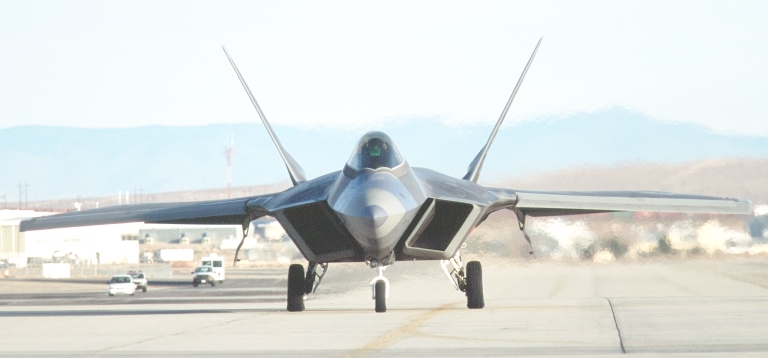
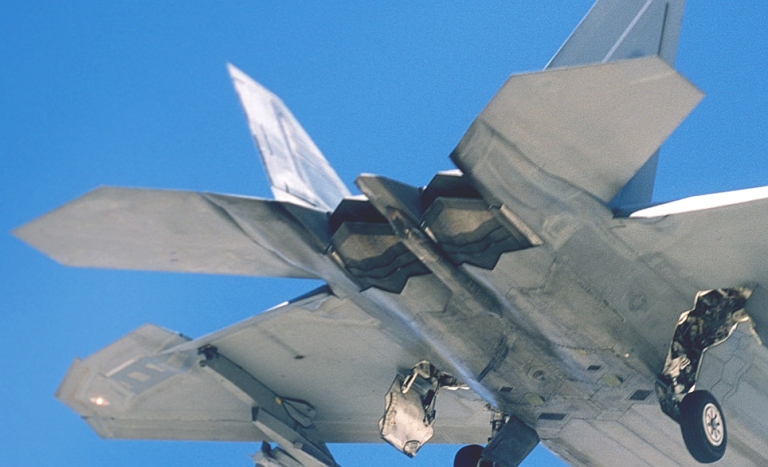
Stealth - Size Matters 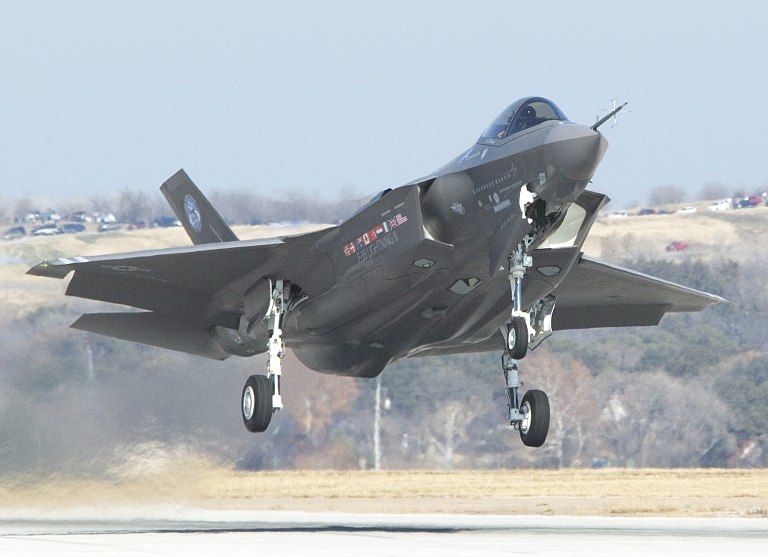 Shaping is the single most powerful tool a
stealth designer has to bounce hostile radar beams away in a controlled
fashion. In this game, feature size matters. The F-35 Joint Strike
Fighter (above) was shaped to defeat X-band radars and its stealth
shaping performs poorly in the 0.24 metre L-band. The larger F-22A
(below) with an aligned trapezoidal inlet design and sculpted straight
edge nozzles is much less detectable in the L-band (USAF Images).
  |
||||||||
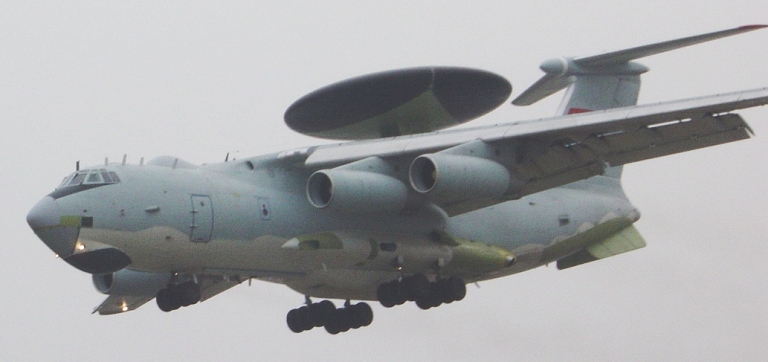
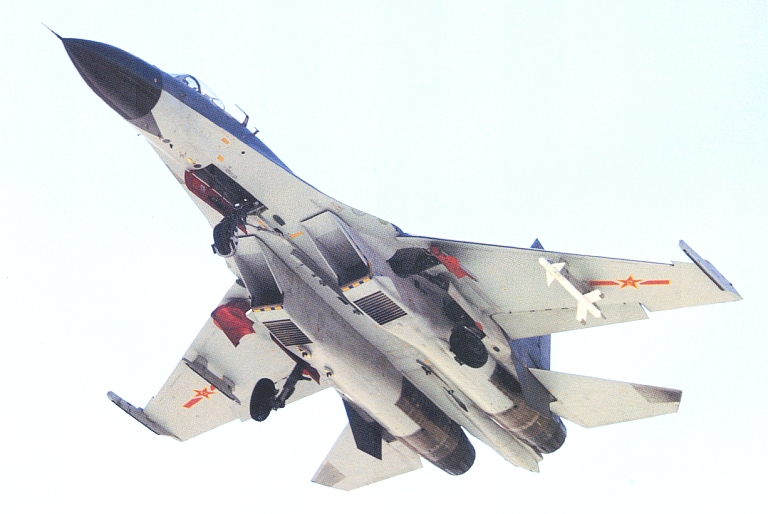 China already has all of the technologies
needed to emulate the Tikhomirov NIIP L-band AESA design, if the
Russians opt not to export to China. Above, J-11B SinoFlanker, below
L-band AESA on KJ-2000 AWACS (Chinese internet images).
 |
||||||||
| What does
this L-Band technology mean in tactical and strategic terms? F-35 Joint Strike Fighter X-band Stealth. The fundamental shaping design of this aircraft was focused on defeating X-Band fire control radars, the most common threat to battlefield strike fighters. The F-35 JSF in particular relies on front-quarter Low Observabilty to gain an intended ‘first look - first shot - first kill’ Beyond Visual Range (BVR) advantage. If the intake leading edges and nose are visible in the front quarter, then this slim advantage is lost. This is much less of an issue for the F-22A Raptor which was shaped to be effective across a much wider band of radar frequencies than the F-35, as the F-22A was intended from the outset to penetrate deep air defences where L-band radars are common. Super Hornet and Silent Eagle X-band RCS reduction. Much has been made of the radar cross section reduction of these aircraft, especially in the front-sector. The value of this investment will be diminished markedly as L-Band radar ranges increase. Impairment of GPS, JTIDS, IFF. These essential navigation, Network Centric communications and fratricide avoidance systems can be adversely affected by L-Band radars being used as interference jammers. Geolocate on JTIDS. Many extol the advantages bestowed by ‘Network Centricity’. However, if passive L-Band radars in ‘sniffing’ mode detect emissions from JTIDS nodes – or IFF – then the geolocation of these emitters can be performed at long range. This knowledge then confers a combat advantage to those with the L-Band sensors. The West will find it difficult to jam fighter L-band AESA due to the requirement to build and field L-band jammers with high gain antennas. The NIIP design has huge growth potential in power-aperture, putting Western jammer development into a perpetual “catch-up” mode. APA has previously commented on the fallacy of defining air combat requirements against 1990s threats, locking-down the specification, and refusing to acknowledge – let alone respond to – developments elsewhere, especially by potential adversaries. The Joint Strike Fighter program is an example of complete detachment from the operational reality of the world outside the closed minds of the Joint Strike Fighter community - this technology should have been anticipated a decade ago given US development of L-band AESA radars for systems such as the Wedgetail AEW&C/AWACS aircraft. The US development of AESAs in X-band and their use as “multimode apertures” would inevitably be emulated. The Russians are simply applying existing basic technologies developed by the US over a decade ago in a new and lateral application. Systems where survivability depends almost completely on X-Band radar signature reduction, such as the F-35 Joint Strike Fighter, the F/A-18E/F Super Hornet, and F-15SE “Silent Eagle” will now become exposed by fighter-borne L-Band radars, and thus become highly vulnerable to defeat in Beyond Visual Range air combat. Wing leading edge mounted L-band AESA radars now join the other five demonstrated Russian technologies that, individually, challenge and overmatch key aspects of the F-35 Joint Strike Fighter designs while, collectively, now make the F-35 Joint Strike Fighter family of aircraft obsolete well before they have even been operationally fielded. While recent history suggests how the bureaucrats will react to this development, we will have to wait and see exactly how the reality of this “game changer” is explained away. Simple common sense shows that further development of weapon systems that lack a competitive edge in future air combat cannot be justified and a fundamental ‘re-think’ of future Western air combat planning is required. |
||||||||
|
|
||||||||
| Air
Power Australia Website - http://www.ausairpower.net/ Air Power Australia Research and Analysis - http://www.ausairpower.net/research.html |
||||||||
 |
||||||||
| |
||||||||
|
|||||||||||||
|
|
|
|
|
|
|
|
|
|
|
|||
|
|
|
|
|
|
|
|
|
|
|
|||
| |
|
|
|||||||||||
| Artwork, graphic design, layout and text © 2004 - 2014 Carlo Kopp; Text © 2004 - 2014 Peter Goon; All rights reserved. Recommended browsers. Contact webmaster. Site navigation hints. Current hot topics. | |||||||||||||
|
Site Update
Status:
$Revision: 1.753 $
Site History: Notices
and
Updates / NLA Pandora Archive
|
|||||||||||||
|
|
Tweet | Follow @APA_Updates | |||||||||||
|
|
|||||||||||||
|
|
|||||||||||||