|
||||||||||||||||||||||
 |
||||||||||||||||||||||
![F-22A Raptor, FB-22, F-22E, F-22N and Variants Index Page [Click for more ...]](APA/f-fb-22.png "F-22A Raptor, FB-22, F-22E, F-22N and Variants Index Page [Click for more ...]") |
 |
![People's Liberation Army Air Power Index Page [Click for more ...]](APA/pla-air-pwr.png "People's Liberation Army Air Power Index Page [Click for more ...]") |
 |
 |
 |
 |
 |
 |
![Military Ethics, Culture, Education and Training Index Page [Click for more ...]](APA/ethx-culture.png "Military Ethics, Culture, Education and Training Index Page [Click for more ...]") |
 |
||||||||||||
 |
![Russian / Soviet Weapon Systems Index Page [Click for more ...]](APA/rus-weps.png "Russian / Soviet Weapon Systems Index Page [Click for more ...]") |
 |
 |
 |

|
 |
 |
 |
 |
 |
||||||||||||
 |
 |
|||||||||||||||||||||
| Last Updated: Mon Jan 27 11:18:09 UTC 2014 | ||||||||||||||||||||||
|
||||||||||||||||||||||







PLA Guided BombsTechnical Report APA-TR-2009-0808 |
||||||||||||||||||||||||
| Dr Carlo Kopp, AFAIAA, SMIEEE, PEng Dr Martin Andrew, RAAF(Retd) August 2009 Updated January, 2011 Updated April, 2012 Text © 2009-2012 Carlo Kopp Text © 2011 Martin Andrew Line Artwork © 2009 Carlo Kopp  |
||||||||||||||||||||||||
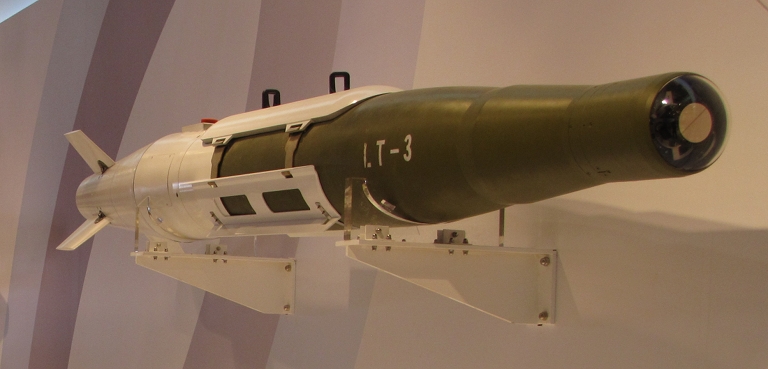 LT-3 precision guided bomb system (Zhenguan Studio, ©
2010 Air Power Australia).
|
||||||||||||||||||||||||
|
||||||||||||||||||||||||
IntroductionThe PLA-AF and PLA-N now operate a diverse mix of indigenously
manufactured and imported Russian guided bombs. To date the most widely
deployed indigenous weapon is the very basic LT-2 laser guided bomb,
similar in capabilities to the Paveway I/II series. More recent weapon designs are considerably more
sophisticated. The FT and LS series of satellite aided inertially
guided weapons are analogues to the US JDAM series, including glide
wing equipped variants. The LT-3 is a fusion of satellite aided
inertial guidance technology and a gimballed P-nav laser seeker, this
weapon being an analogue to the very recent US EGBU-24 and
GBU-54/55/56(V)/B Laser JDAM. |
||||||||||||||||||||||||
|
|
||||||||||||||||||||||||
|
||||||||||||||||||||||||
PLA-AF
and
PLA-N Electro-Optical Guided Bombs
|
||||||||||||||||||||||||
Luoyang/CASC
LT-2/LS-500J Laser Guided Bomb
|
||||||||||||||||||||||||
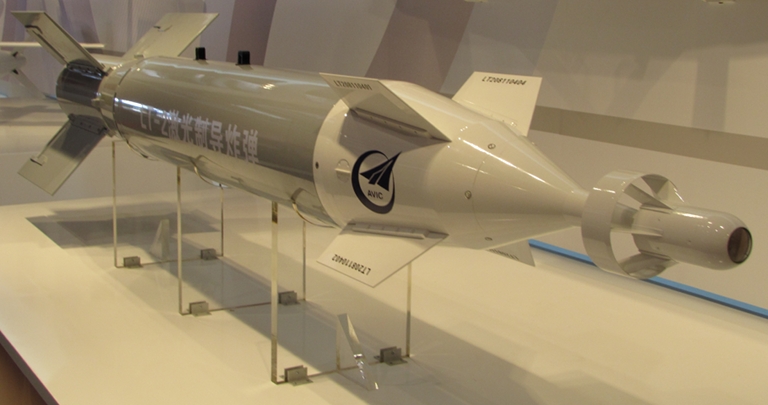
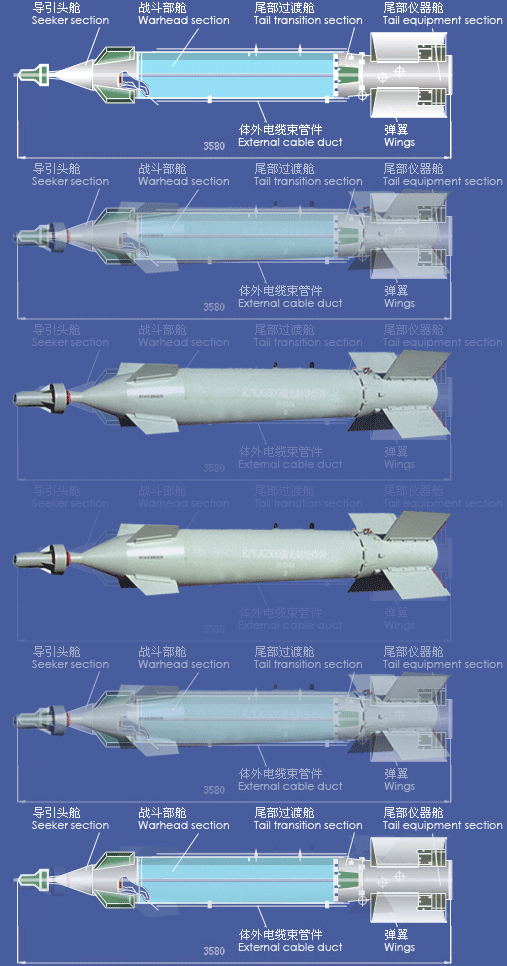
| Specifications |
|
| Length | 3580mm |
| Diameter | 380mm |
| Tail fin span | 950mm |
| Weight | 570kg |
| Ground
designating
mode
accuracy |
CEP≤5m |
| A/C designating mode accuracy | CEP≤6.5m |
| Launching speed | ≥230m/s |
| Launching mode | level,
dive,
toss |
| Wind speed | ≤10m/s |
| Damage Capability | Equivalent to 500kg low-drag aero bombs |
| Source: http://www.loec.cn/e32.html | |
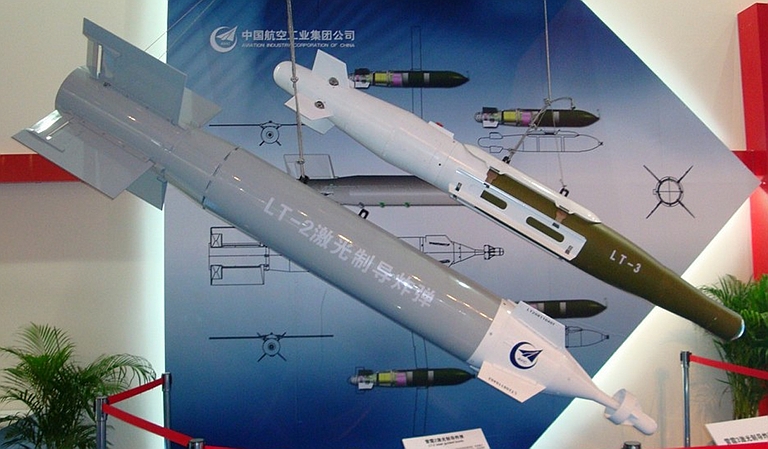
Front: LT-2 LGB (© 2009, Zhenguan Studio).
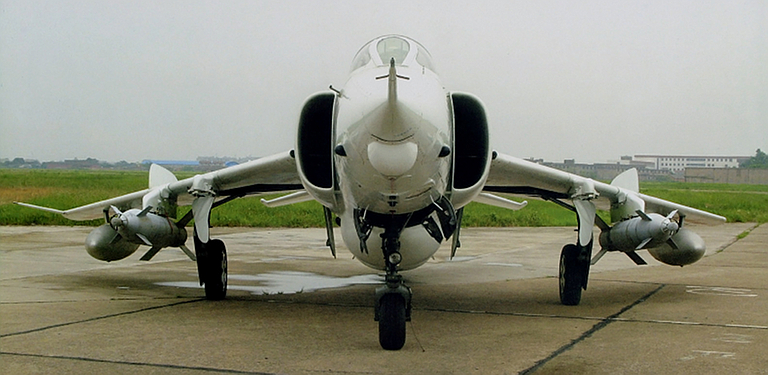
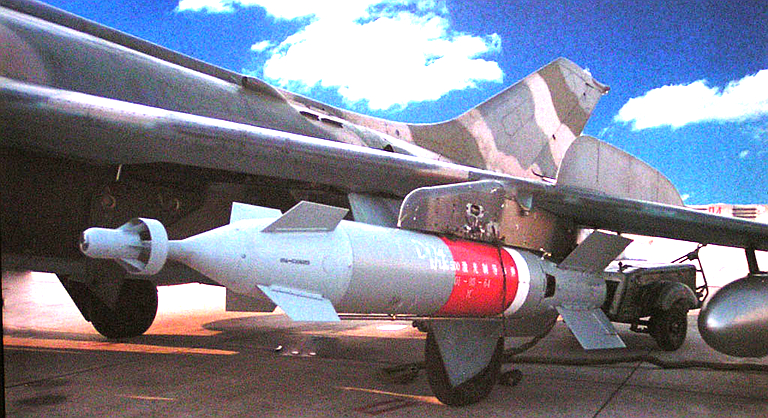
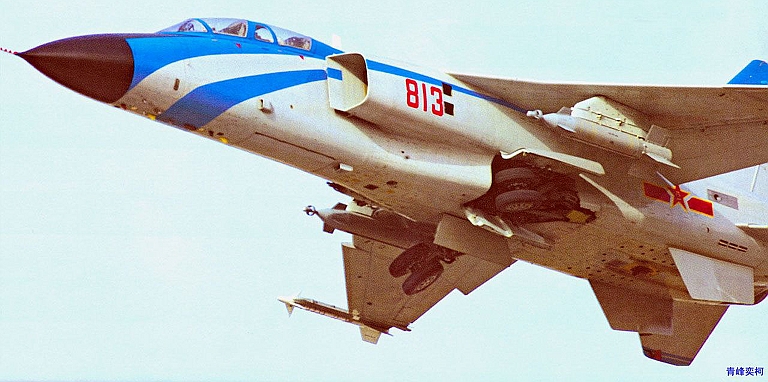
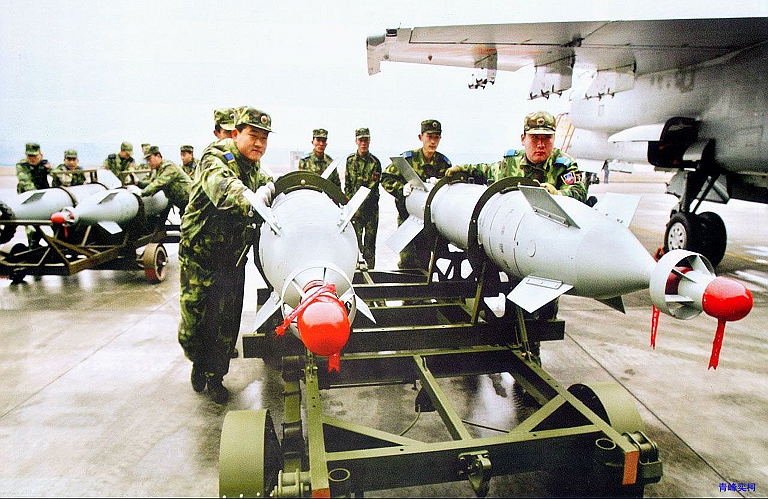
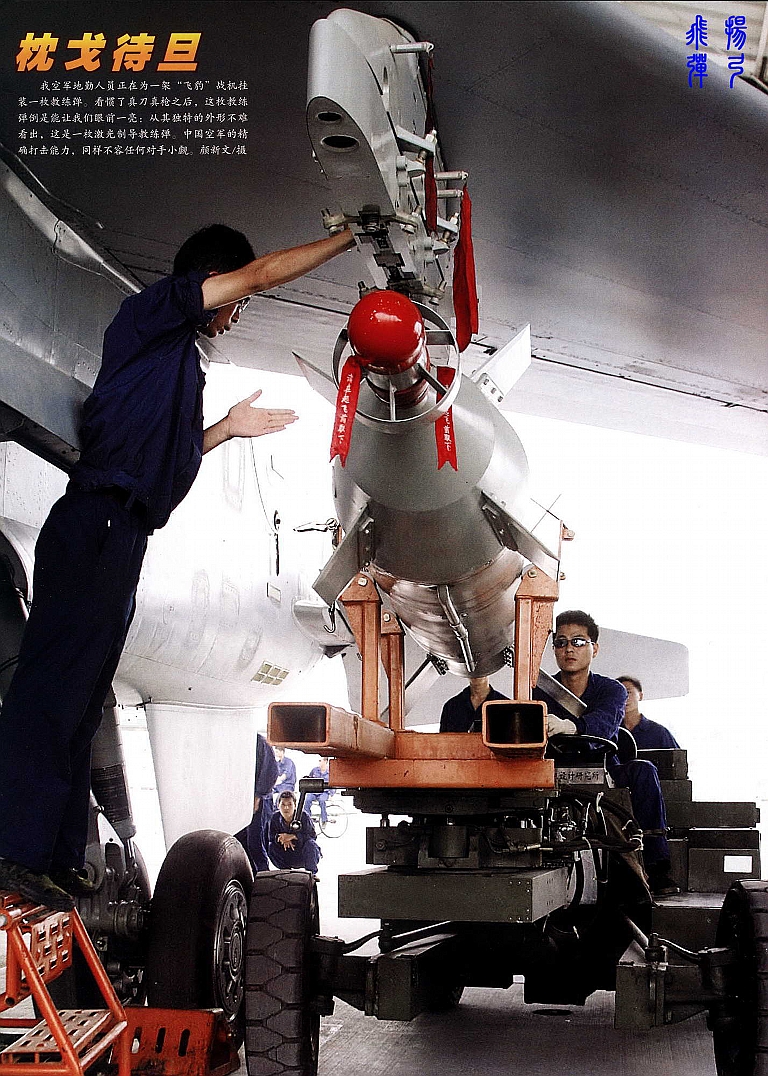
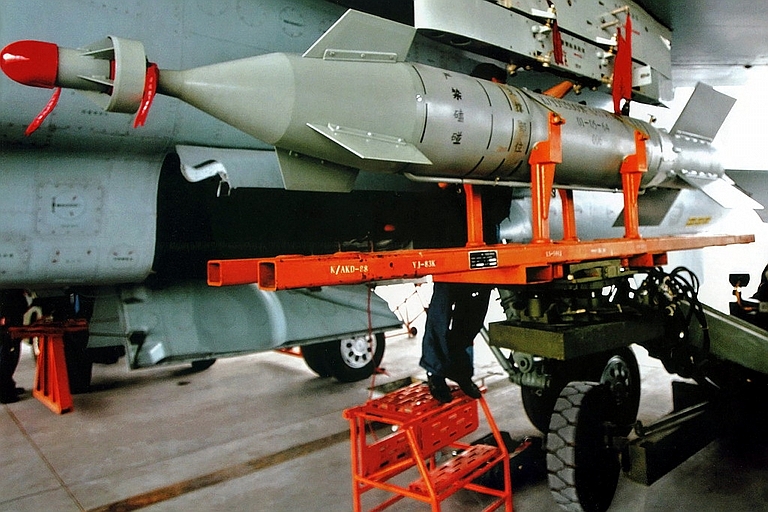
Luoyang/CASC
GB1 P-Nav Laser Guided Bomb
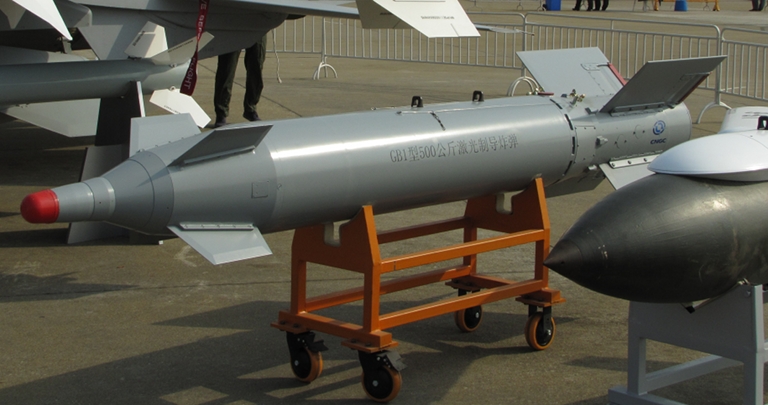
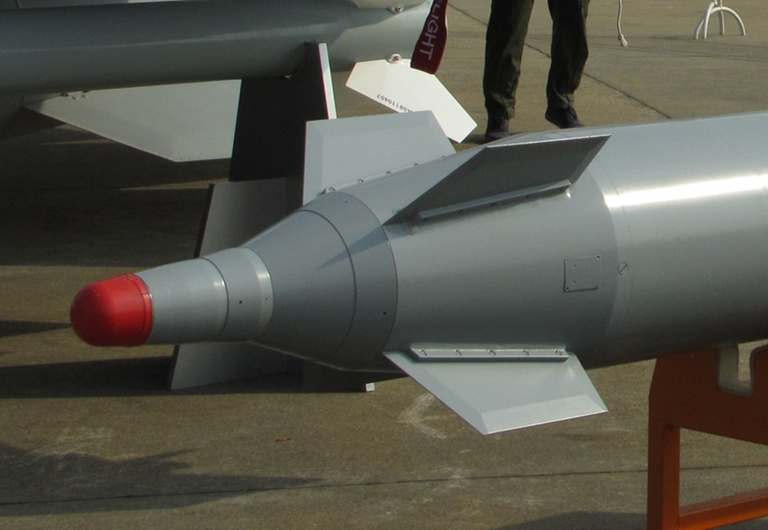
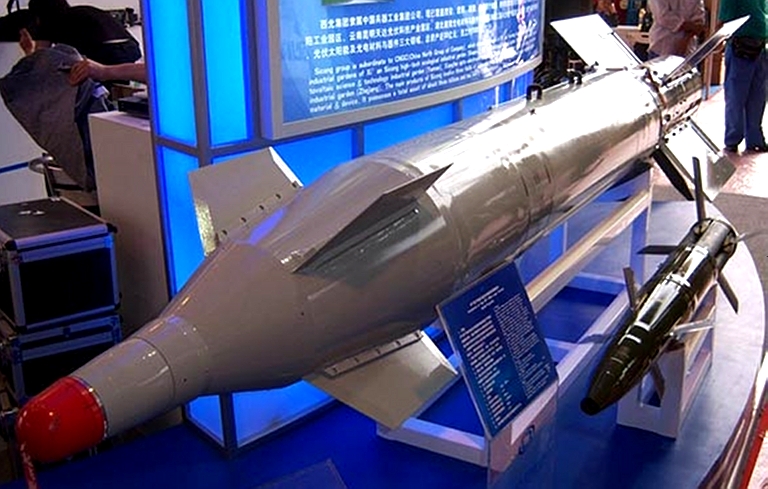
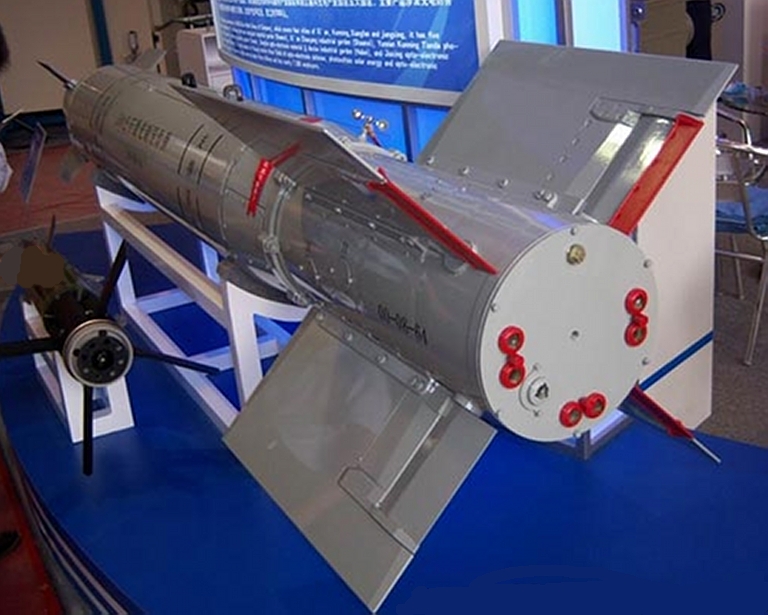
A new weapon displayed at the
Zhuhai 2008 Airshow was the GB1, a derivative of the LT-2 500 kg
Laser Guided
Bomb, with a proportional navigation seeker design. The seeker is
closest in appearance to the Russian KBTochmash/Nudelman P-nav seeker
developed for the latest weapons in the GNPP KAB-1500LG series, with a
planar optical window in the seeker nose section.
The guidance kit otherwise
appears identical to the existing LT-2 series design, employing what
appears to be an identical tail control tailkit and fixed canard
stabilisers.
Luoyang/CASC LT-3 Laser / Satellite Aided
Inertially Guided Bomb
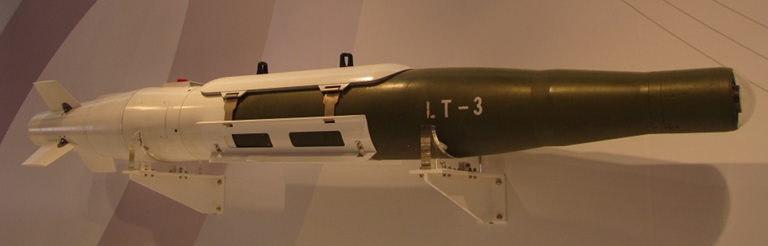
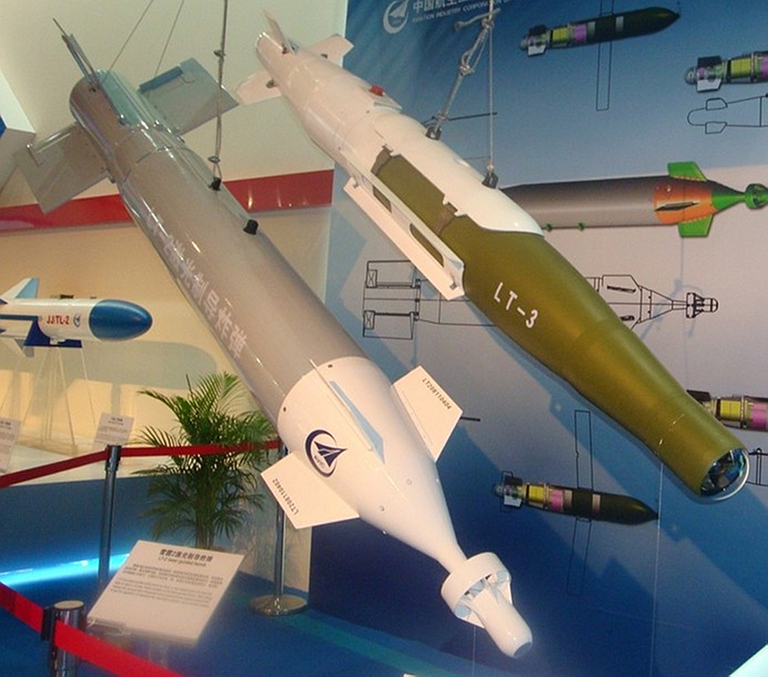
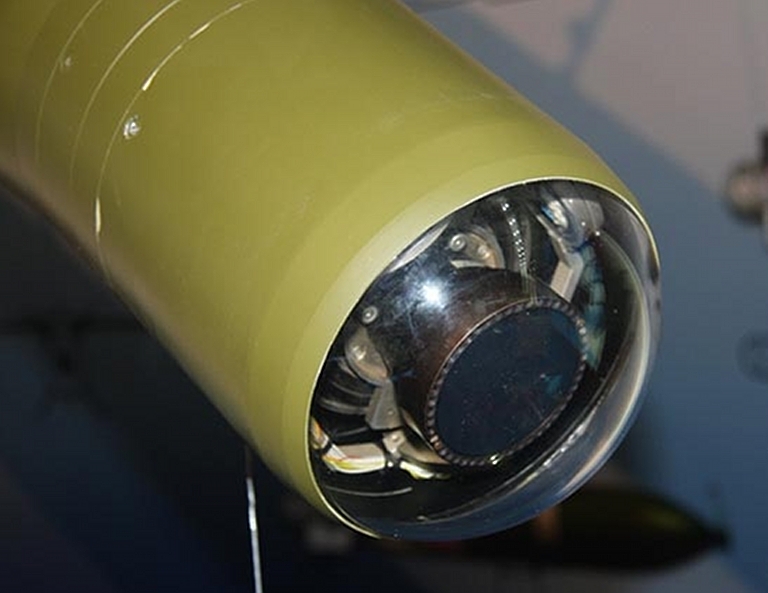
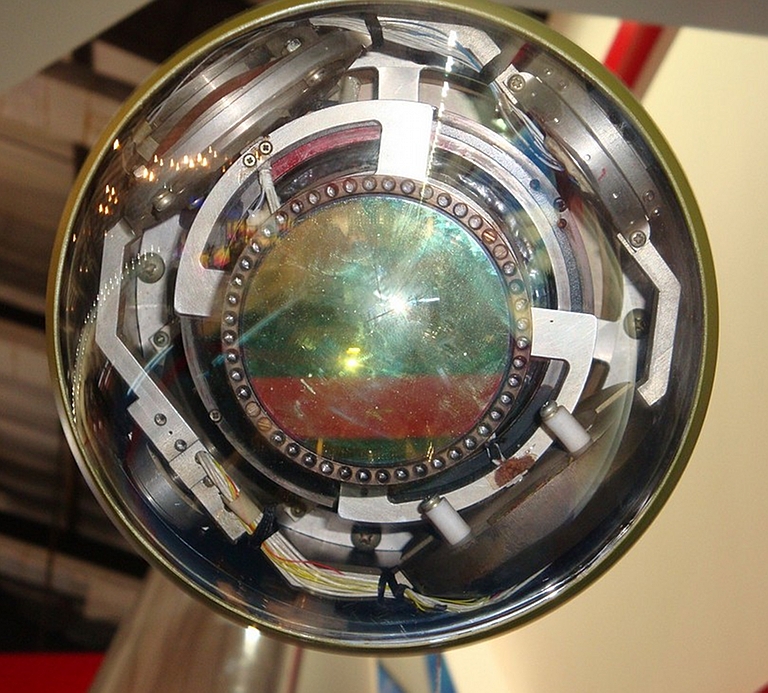
The LT-3 is the most sophisticated guided bomb developed to date by Chinese industry. This weapon combines a satellite/inertial guidance package in a tailkit derived from the LS-6 250 kg glidebomb, and a gimballed proportional navigation semi-active laser homing seeker.
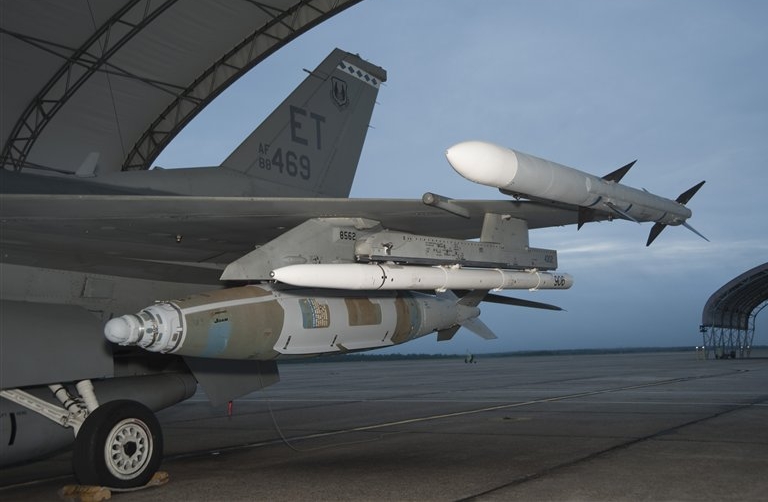
The weapon employs a strap-on strake kit similar to that used with the GBU-31/32 JDAM series. The gimballed detector platform is closest in concept to the TI Paveway III LLLGB design - the LT-3 occupies the same capability niche as the US enhanced EGBU-24 or GBU-54/55/56(V)/B Laser JDAM (LJDAM) weapons.

PLA-AF and PLA-N Inertially Guided Bombs
Luoyang/CASC FT-1/FT-2 Satellite Aided Inertially Guided Bomb
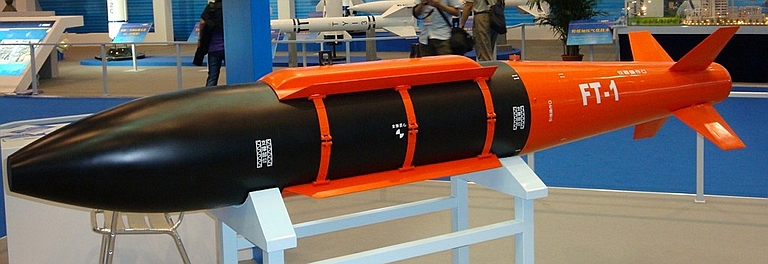
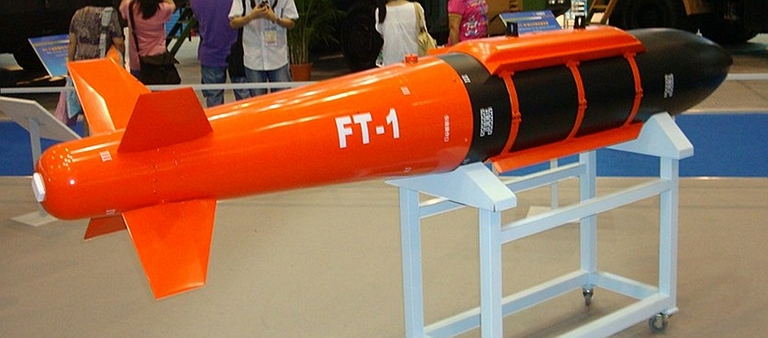
FT-1 guided bomb kit (© 2009, Zhenguan Studio).
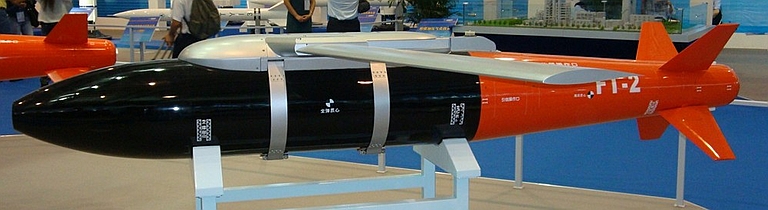
FT-2 guided glide bomb kit (© 2009, Zhenguan Studio).
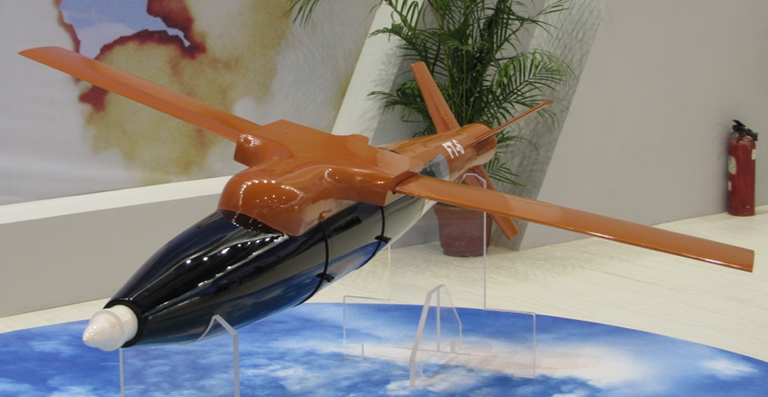
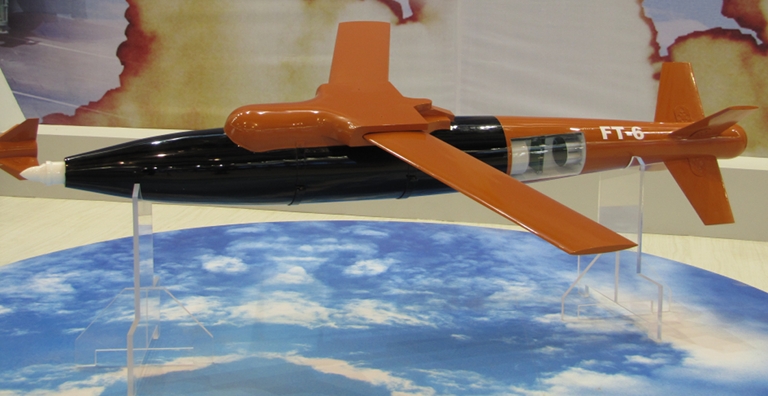
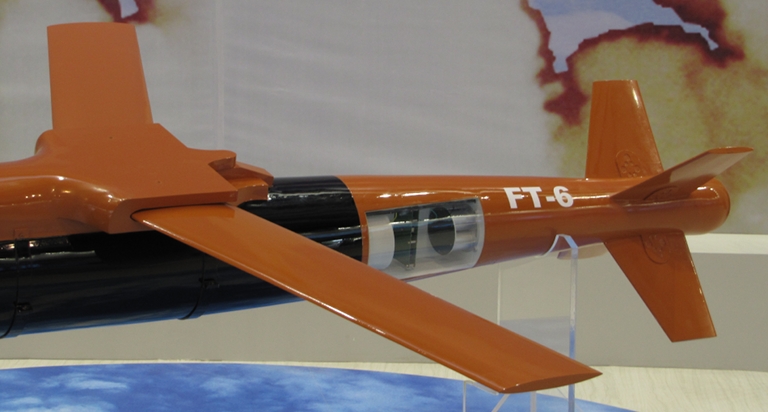
The ‘Fei Ting 2’ is Feiting 1 GPS guided bomb (JDAM equivalent) with a strap on wing kit which increases its range from 18km to between 60 to 90 km. The FT-6 is the FT-3 with the strap on folding wing.
The family of streamlined bombs come in 50, 100, 250 and 500kg but only the 250 and 500kg class bombs are used as PGMs. The Feiting 2 and 6 have a realistic combat range of between 40 ~ 60 km1.
The FT-1 employs strap-on strakes similar to the JDAM series. The FT-2 employs a planar wing kit similar to the Kerkanya/JDAM-ER.
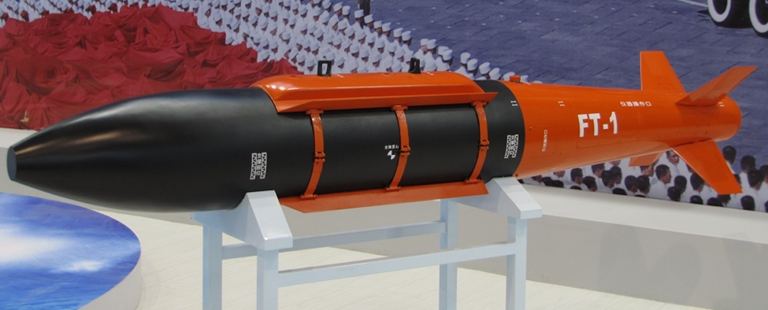
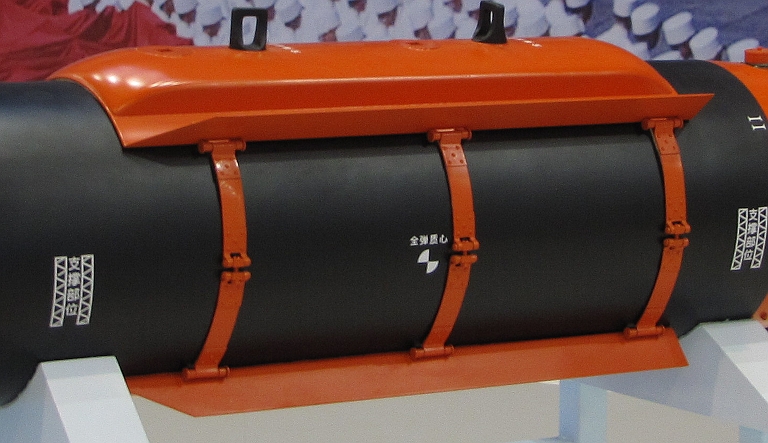
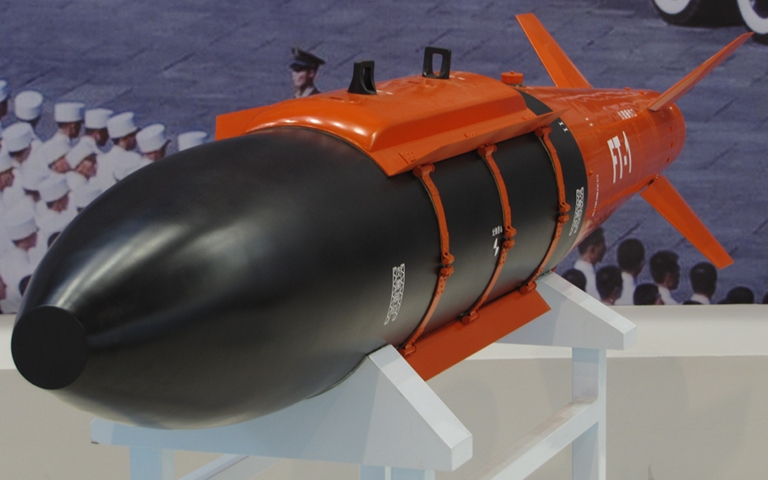
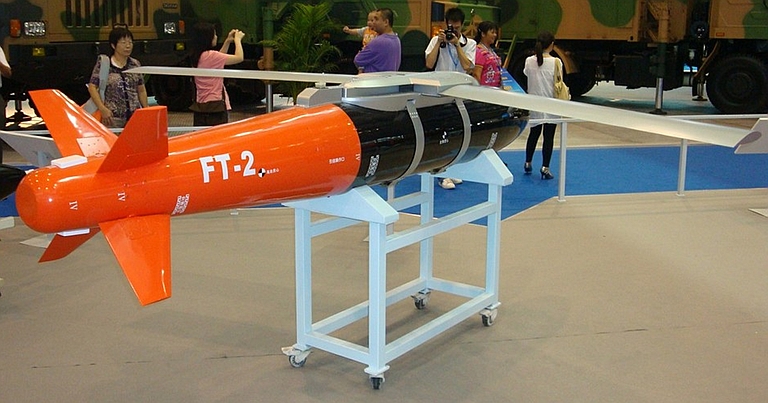
FT-2 guided glide bomb kit (© 2009, Zhenguan Studio).
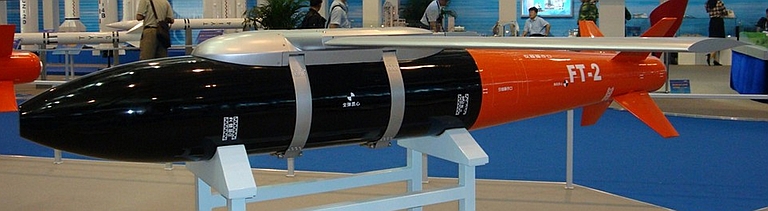
FT-2 guided glide bomb kit (© 2009, Zhenguan Studio).
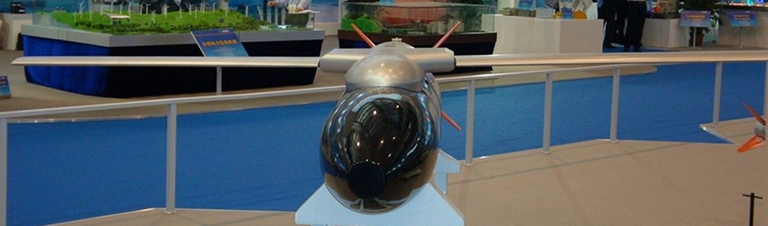
FT-2 guided glide bomb kit (© 2009, Zhenguan Studio).
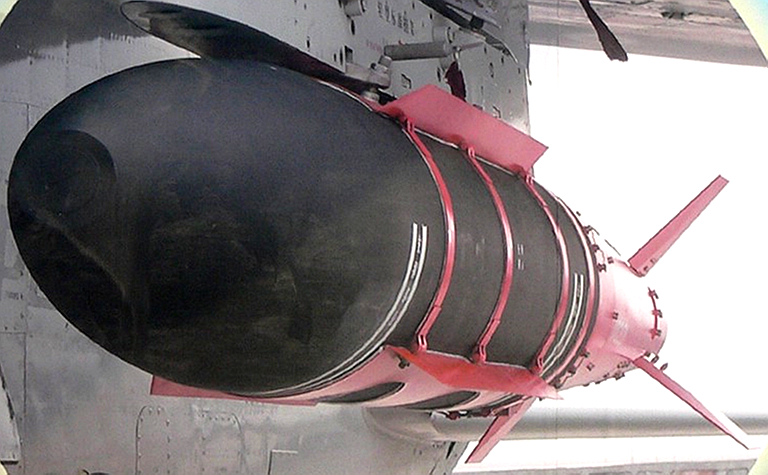
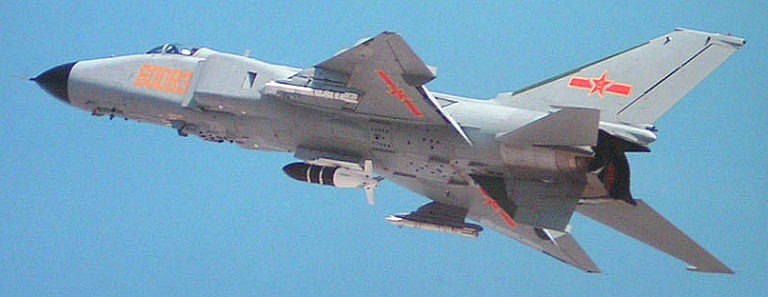
FT-1 on a JH-7A Flying Leopard (Chinese internet).
Luoyang/CASC FT-3/FT-4 Satellite Aided Inertially Guided Bomb
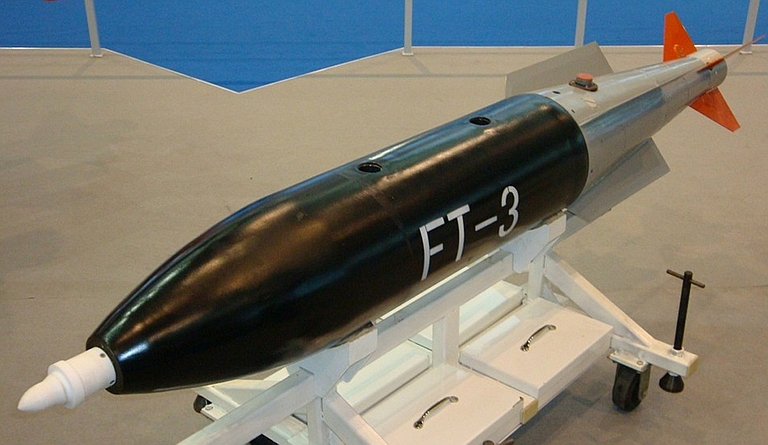
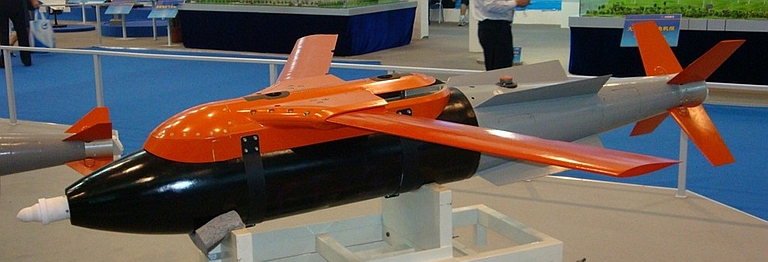
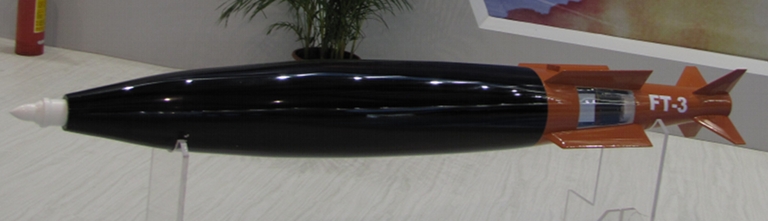
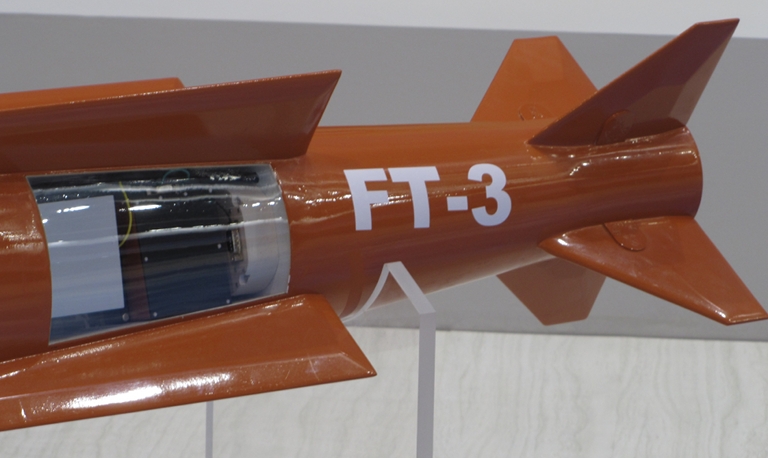
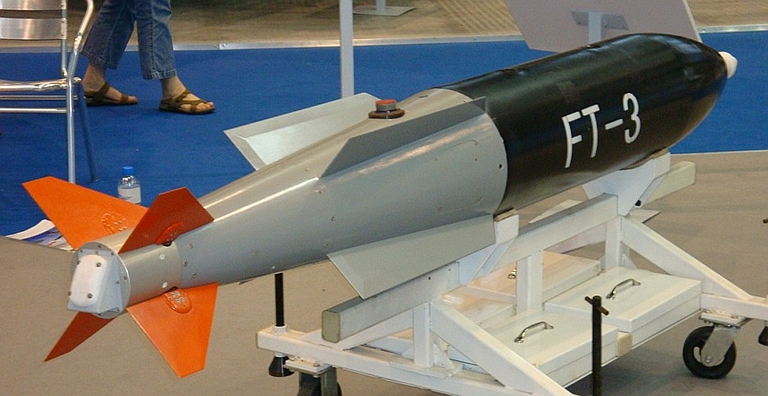
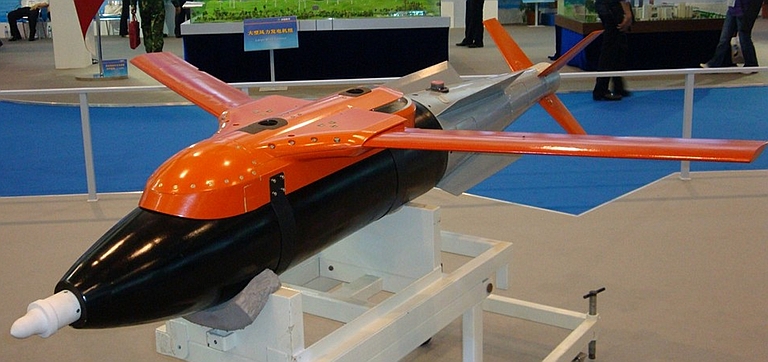
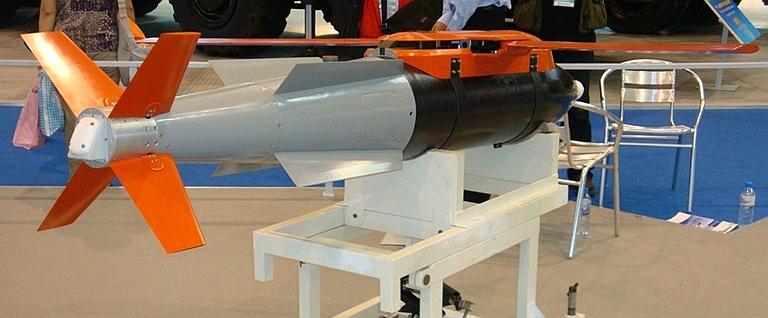
The FT-3 employs a unique cruciform strake arrangement on the tailkit. The variant displayed at Zhuhai 2008 is different in many respects from demonstrators previously displayed, which appeared to use a modification of the LS-6 tailkit. The FT-4 employs a planar wing kit similar to the Kerkanya/JDAM-ER.
Luoyang/CASC FT-5 Satellite Aided Inertially Guided Bomb
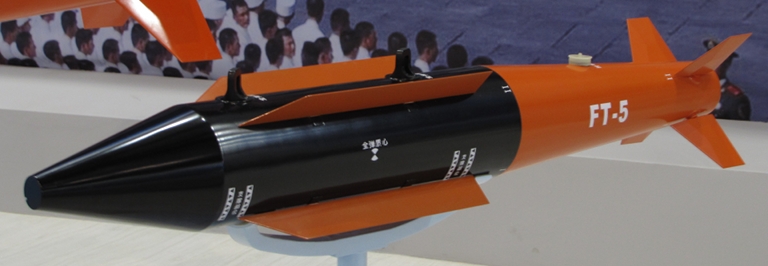
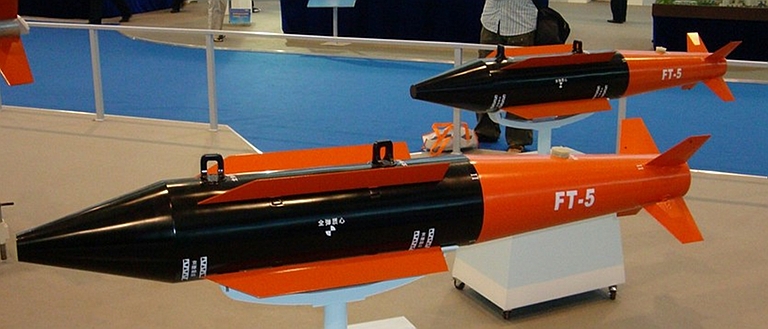
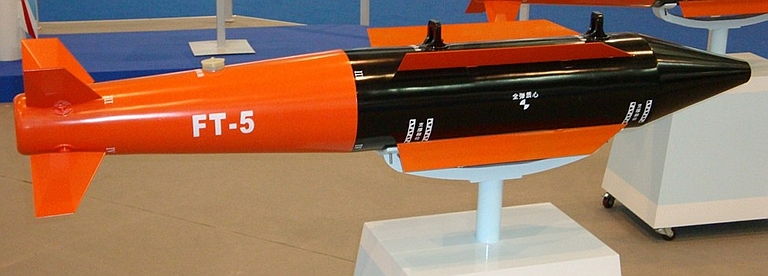
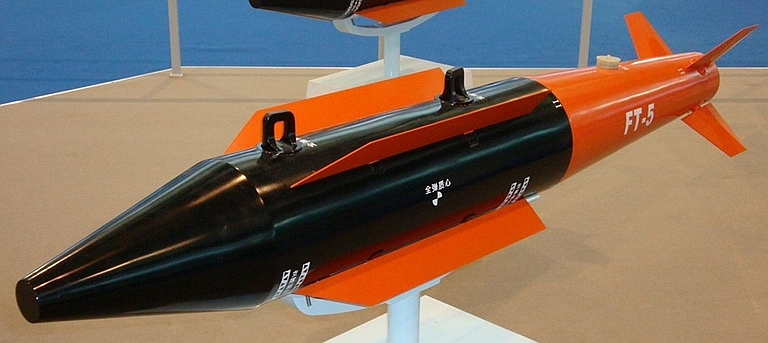
Luoyang/CASC FT-6 Satellite Aided Inertially Guided Bomb
Luoyang/CASC LS-6 Satellite Aided Inertially
Guided Bomb Family
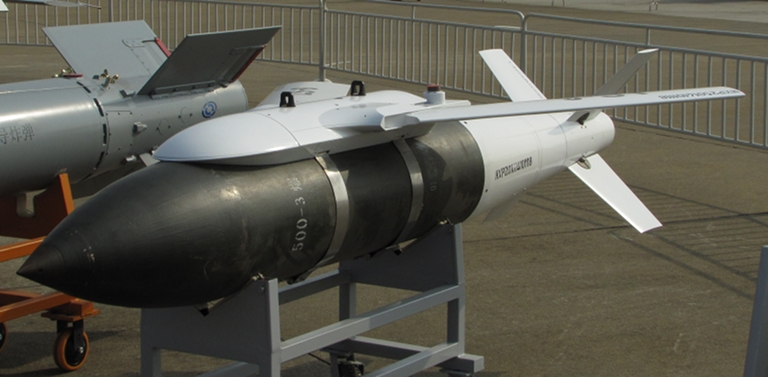
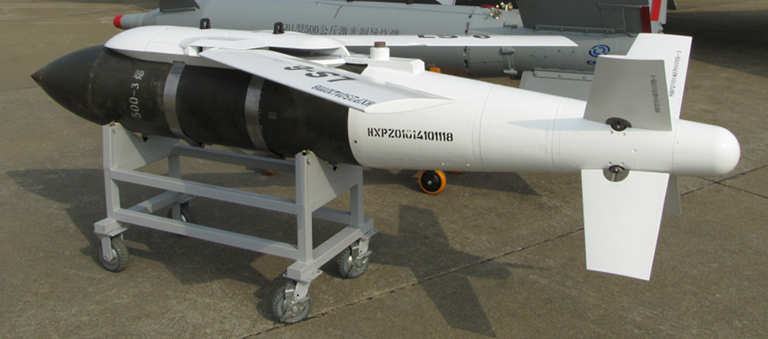
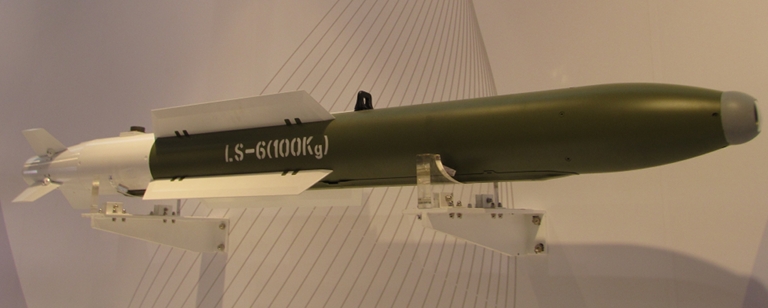
100 kg Luoyang/CASC LS-6 at Zhuhai 2010 (Zhenguan Studio, © 2010 Air Power Australia).
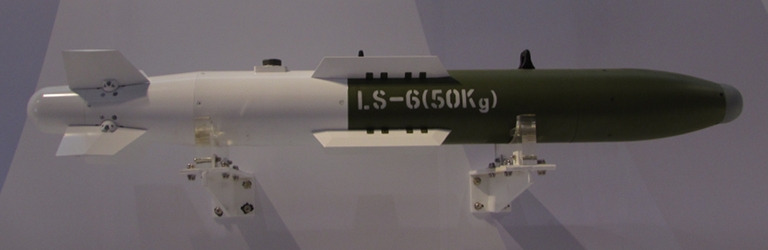
50 kg Luoyang/CASC LS-6 at Zhuhai 2010 (Zhenguan Studio, © 2010 Air Power Australia).
The 500 kg / 250 kg LS-6 glidebomb design is modelled in many respects on the concept of the Australian developed planar wing Kerkanya glidebomb kit, more recently adapted to form the JDAM-ER. Unlike the Kerkanya which uses a low wing monoplane configuration with a blended adaptor fairing, the LS-6 glide wing kit is much simpler in design and the weapon flight configuration is that of a high wing monoplane. Cited range for an 11 km release altitude at 900 km/h is 60 km, considerably less than the Kerkanya/JDAM-ER design4.
In 2010 Luoyang displayed 100 kg and 50 kg derivative designs, which are clearly intended to be analogues to the US GBU-39/B Small Diameter Bomb (SDB) which has developed to fit the weapon bays of the F-22A Raptor3.
These weapons are clearly designed for compact internal carriage, and it is reasonable to conclude that the intended launch platform is the J-20 stealth fighter.
Both the 100 kg and 50 kg derivatives are fitted with nose mounted electro-optical seekers, with high quality planar windows. JDW's Hewson reports this to be a semi-active homing laser seeker, however, such a seeker is not compatible with a weapon intended to be released in multiple round salvos5.
The regime of operation is however compatible with a scene matching area correlator seeker, such as that employed in the Russian GNPP KAB-500/1500Kr series, or trialled in the US Navy DAMASK/HART effort. A seeker modelled on the DAMASK or KAB-500/1500Kr would provide high accuracy, and a redundant guidance regime should the satellite navigation channel be successful jammed4.
The type of satellite navigation receiver and inertial unit employed in the LS-6 series have not been disclosed to date. While the Luoyang website states the use of GPS, other sources claim the use of Glonass. It is likely the receiver is like a number of Russian designs, a dual mode device which can use C/A GPS or secure Glonass concurrently.
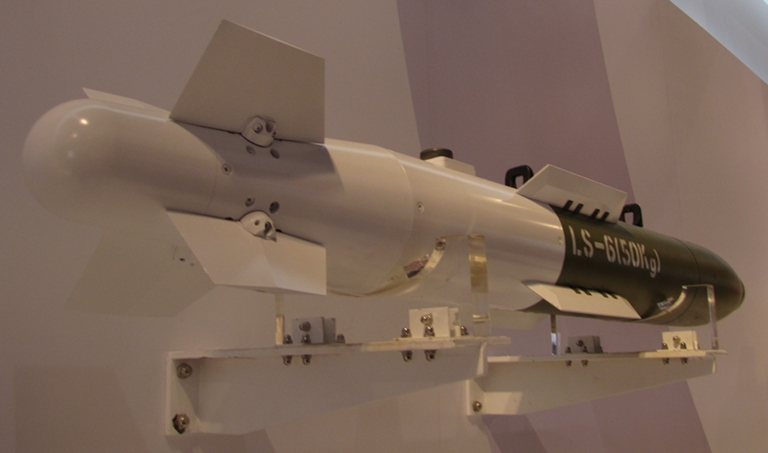
Detail of 50 kg Luoyang/CASC LS-6 tailkit (Zhenguan Studio, © 2010 Air Power Australia).
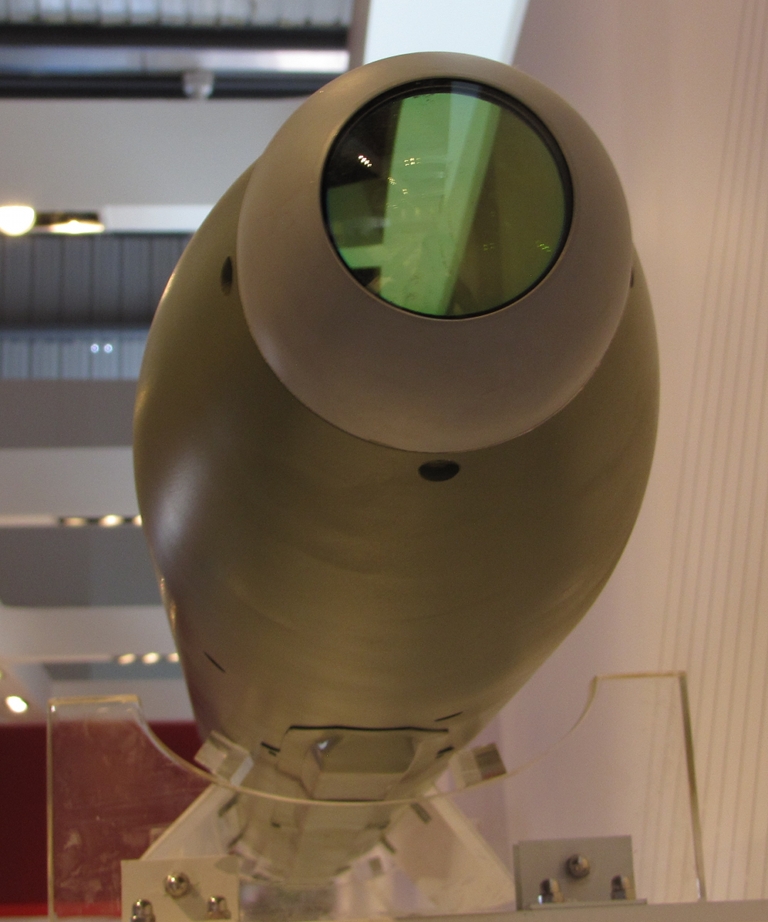
50 kg Luoyang/CASC LS-6 EO terminal seeker window (Zhenguan Studio, © 2010 Air Power Australia).
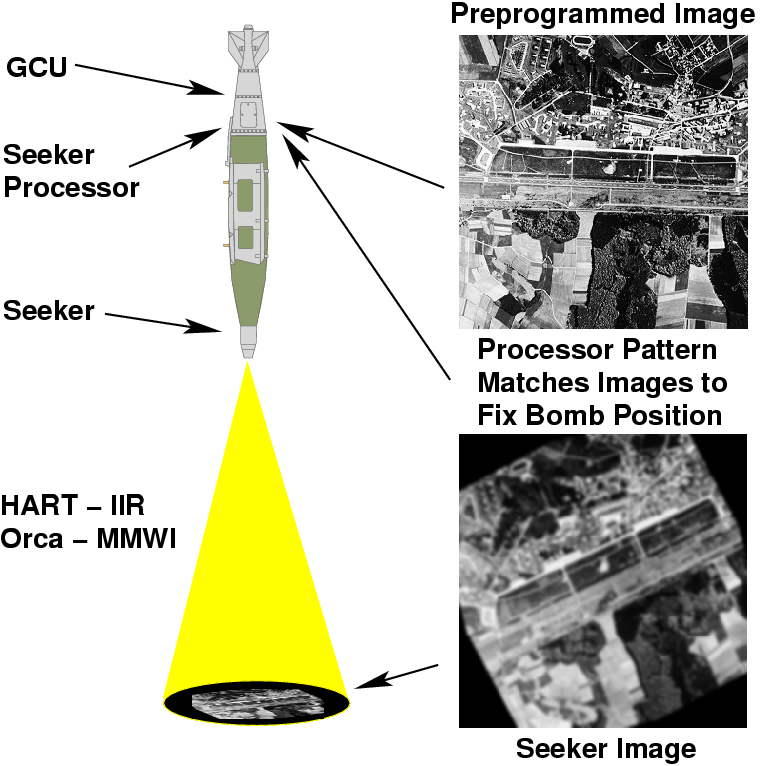
Imaging seekers are one technique which provides satellite aided inertially guided bombs with genuine precision capability. The US Navy DAMASK/HART effort is a good example. A typical design for such a seeker will see the bomb seeker take a snapshot of the target surroundings, which is then compared with a preprogrammed image to fix the bomb's position. Once the error is found, the target aimpoint is corrected and the bomb dives into the target. MilliMetric Wave Imaging (MMWI) techniques were demonstrated in the Orca program, while DAMASK demonstrated an uncooled low cost IIR seeker, based on automotive technology. Both techniques have growth potential for attacks on moving targets such as vehicles or shipping (Author/USAF)4.
Luoyang Description for 500/250 kg Variants (Cite):
System features:
Launched outside mid/short range air defense firepower
All-weather, day & night attack capability
Low cost but highly effective
Fire and forget capability
Excellent anti-interference capability
Modular guidance and control unit
Single target or multiple targets attack capability
Weapon delivery:
Technical data:
a) Kill Area:
For normal target:5,000 - 10,000 m2
For armored targe:100 - 500 m2
b) Operational Altitude and Speed:
Launch altitude:4,000 - 11,000 m
Launch speed:600 - 1,000 km/h
e) Guidance Accuracy: ≤15 meters CEP
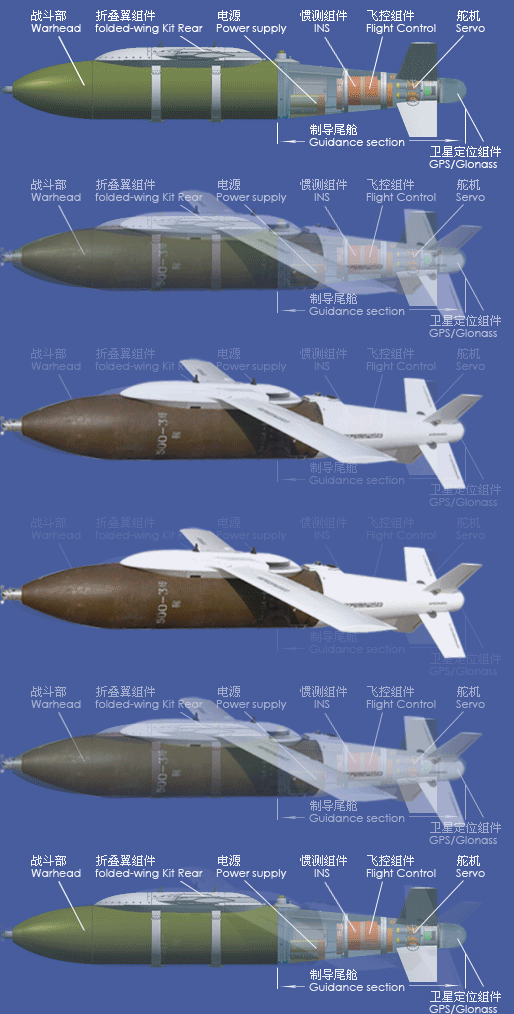
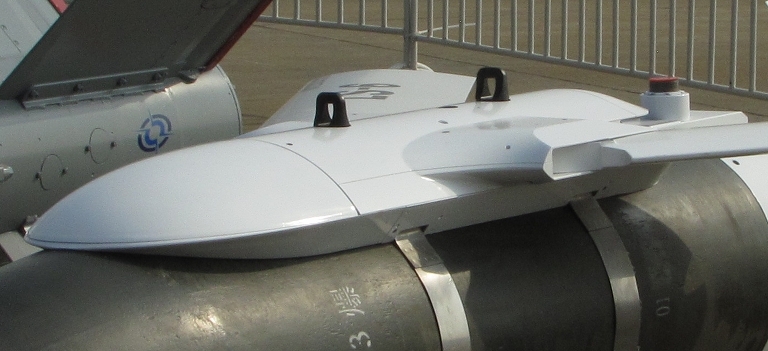
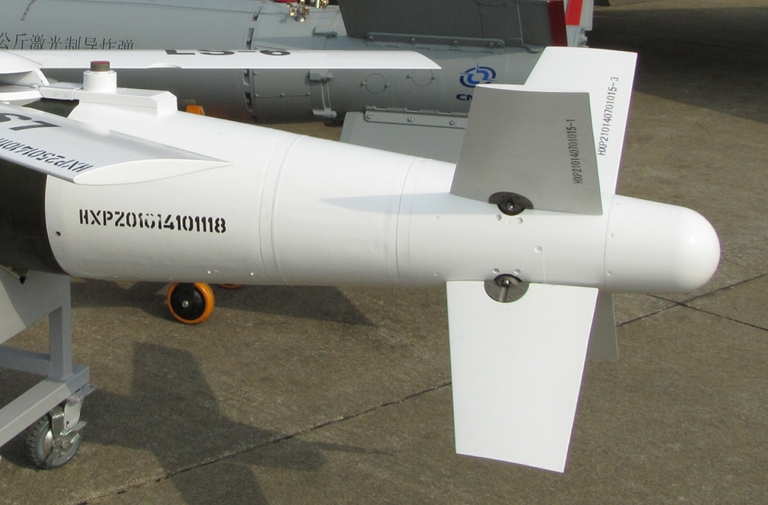
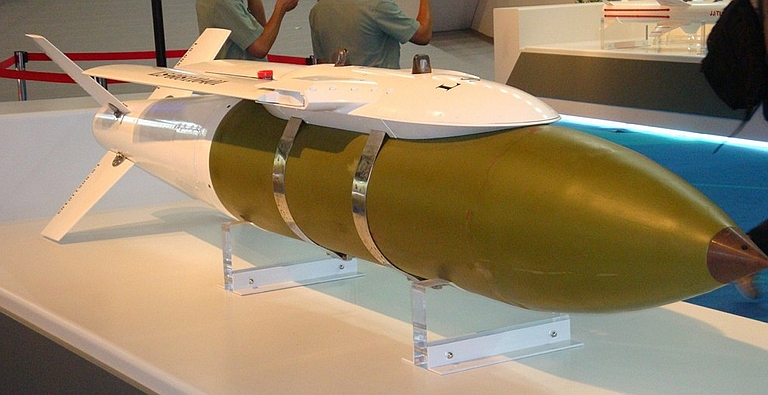
The 500 kg variant of the LS-6 glidebomb (© 2009, Zhenguan Studio).
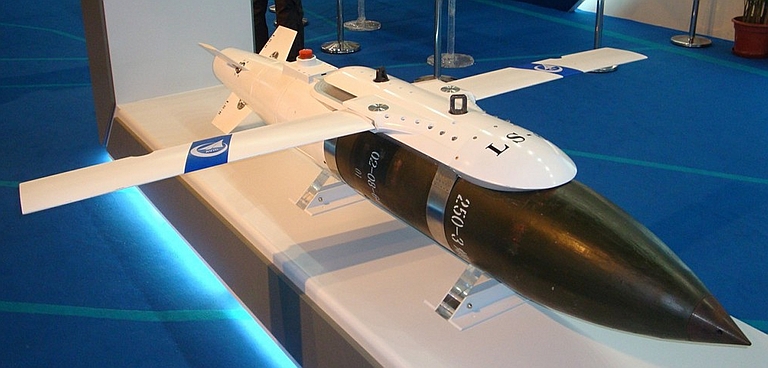
The 250 kg variant of the LS-6 glidebomb (© 2009, Zhenguan Studio).
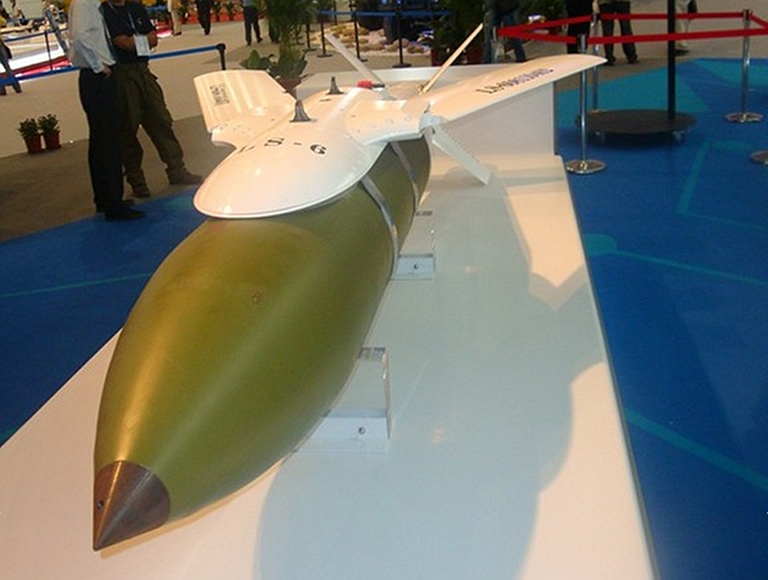
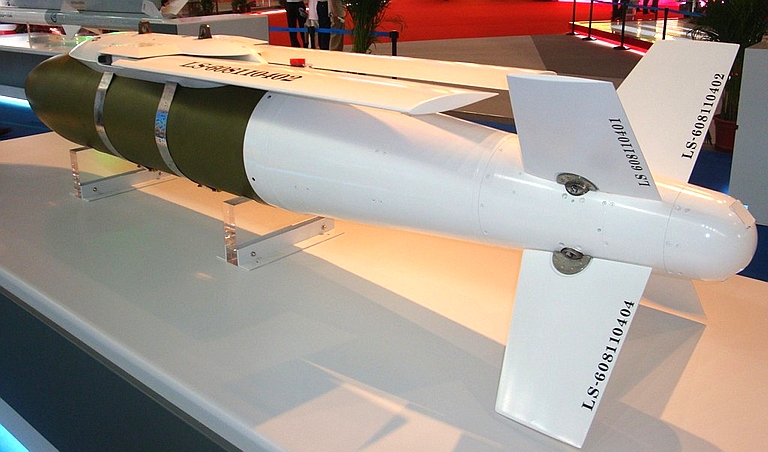
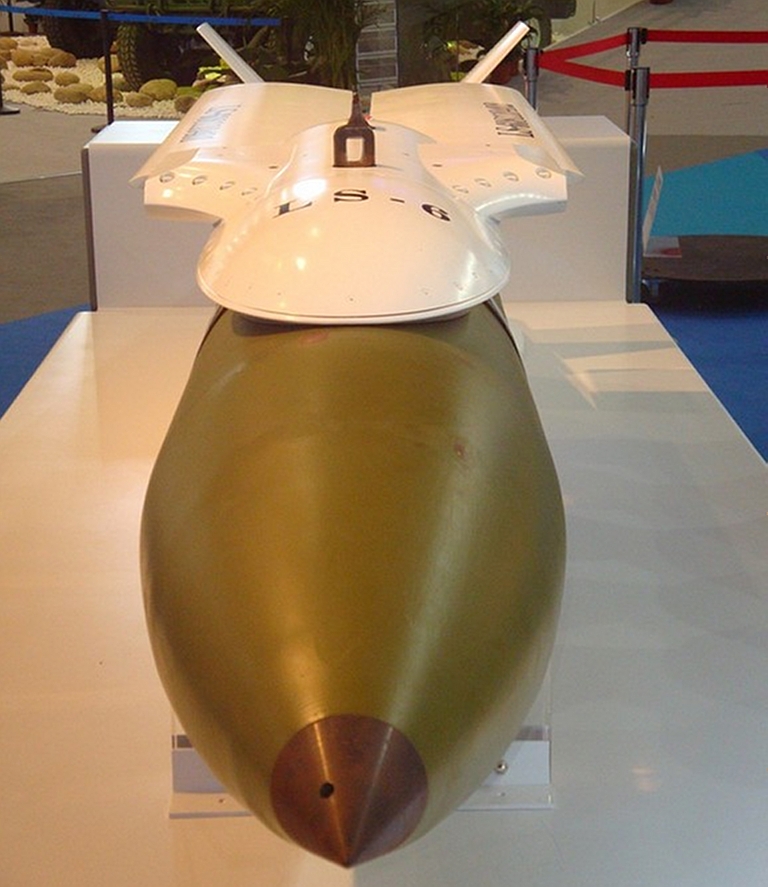
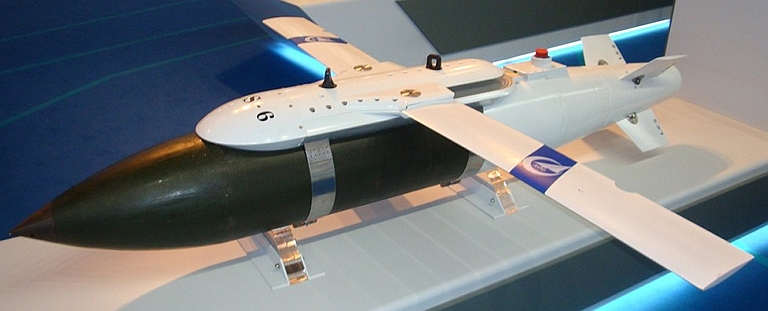
The 250 kg variant of the LS-6 glidebomb (© 2009, Zhenguan Studio).
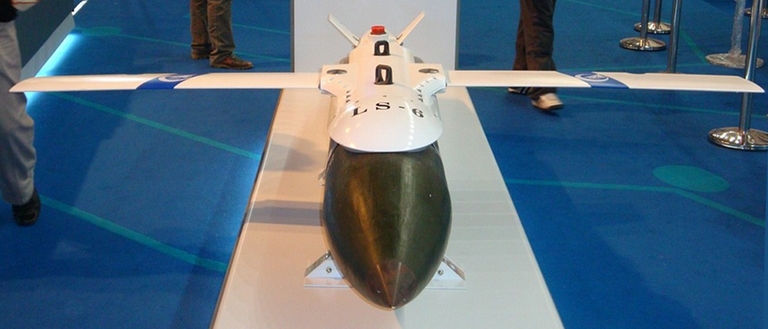
The 250 kg variant of the LS-6 glidebomb (© 2009, Zhenguan Studio).
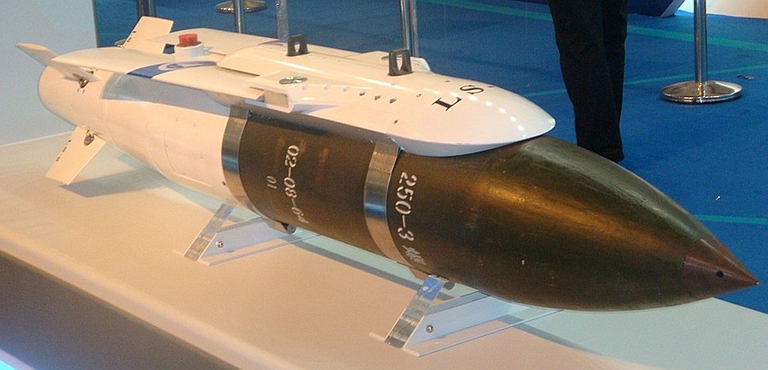
The 250 kg variant of the LS-6 glidebomb (© 2009, Zhenguan Studio).
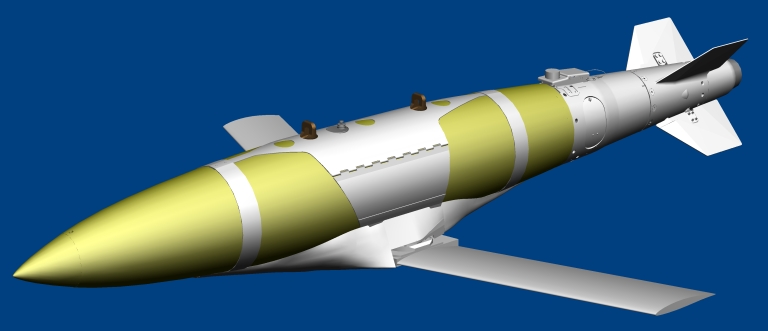
The Australian HdH JDAM-ER was designed for very low mass production unit cost, which is reflected in a number of design features. The most evident is the revival of the DSTO GTV untapered wing planform, which sacrifices a little range performance but is significantly easier to manufacture. The baseline GBU-31/32/35/38 tailkit is used, with software alterations to support the changed aerodynamics and wing deployment functions (HdH).
References
- ‘Zhuhai hangzhan Zhongguo jizai zhidao zhadan’, Bingqi Zhishi (Ordnance Knowledge) 1A/2011 No. 308 ,pp. 32 & 33.
- LT2 laser guided bomb, Luoyang Optoelectro Technology Development Center, URL: http://www.loec.cn/e32.html
- Kopp C., GBU-39/B Small Diameter Bomb I / GBU-40/42/B Small Diameter Bomb II, Technical Report APA-TR-2007-0106, URI: http://www.ausairpower.net/APA-SDB.html.
- Kopp C., JDAM Matures, Parts 1 and 2, Australian Aviation, December 2002, URI: http://www.ausairpower.net/TE-JDAMPt1.html.
- Hewson R., Briefing: Teeth of the dragon, China is
setting its sights
on expanding its air-to-air and air-to-surface weapon inventory, Jane's
Defence Weekly, 19 January 2011, URI:
http://www.janes.com/news/defence/jdw/jdw110119_1_n.shtml.
Technical Report APA-TR-2009-0808
|
|||||||||||||
|
|
|
|
|
|
|
|
|
|
|
|||
|
|
|
|
|
|
|
|
|
|
|
|||
 |
|
|
|||||||||||
| Artwork, graphic design, layout and text © 2004 - 2014 Carlo Kopp; Text © 2004 - 2014 Peter Goon; All rights reserved. Recommended browsers. Contact webmaster. Site navigation hints. Current hot topics. | |||||||||||||
|
Site Update
Status:
$Revision: 1.753 $
Site History: Notices
and
Updates / NLA Pandora Archive
|
|||||||||||||
|
|
Tweet | Follow @APA_Updates | |||||||||||
|
|
|||||||||||||
|
|
|||||||||||||