|
||||||||||||||||||||||
 |
||||||||||||||||||||||
![F-22A Raptor, FB-22, F-22E, F-22N and Variants Index Page [Click for more ...]](APA/f-fb-22.png "F-22A Raptor, FB-22, F-22E, F-22N and Variants Index Page [Click for more ...]") |
 |
![People's Liberation Army Air Power Index Page [Click for more ...]](APA/pla-air-pwr.png "People's Liberation Army Air Power Index Page [Click for more ...]") |
 |
 |
 |
 |
 |
 |
![Military Ethics, Culture, Education and Training Index Page [Click for more ...]](APA/ethx-culture.png "Military Ethics, Culture, Education and Training Index Page [Click for more ...]") |
 |
||||||||||||
 |
![Russian / Soviet Weapon Systems Index Page [Click for more ...]](APA/rus-weps.png "Russian / Soviet Weapon Systems Index Page [Click for more ...]") |
 |
 |
 |

|
 |
 |
 |
 |
 |
||||||||||||
 |
 |
|||||||||||||||||||||
| Last Updated: Mon Jan 27 11:18:09 UTC 2014 | ||||||||||||||||||||||
|
||||||||||||||||||||||
|
||||||||||||||||||||||
|
||||||||||||||||||||||
|
|
|
|
|
|
|
|
|
|
|
||||||||||||
|
|
|
|
|
|
|
|
|
|
|
||||||||||||
|
|
|||||||||||||||||||||
| Last Updated: Mon Jan 27 11:18:09 UTC 2014 | ||||||||||||||||||||||
|
||||||||||||||||||||||
| 76N6
Clam Shell Low Altitude Acquisition Radar 5N66/5N66M/76N6/76N6E/40V6M/MD Clam Shell Technical Report APA-TR-2004-1001 |
||||||||||||||||||||||||||||||||||||||||||||||||||||||||||||||||||||||||||||||||||
| by
Dr Carlo Kopp, SMAIAA, SMIEEE, PEng Australian Aviation, October, 1995 Updated June, 2008 Updated May, 2009 Updated June, 2009 Updated November, 2010 Updated April/May, 2011 © 1995 - 2011 Carlo Kopp  |
||||||||||||||||||||||||||||||||||||||||||||||||||||||||||||||||||||||||||||||||||
|
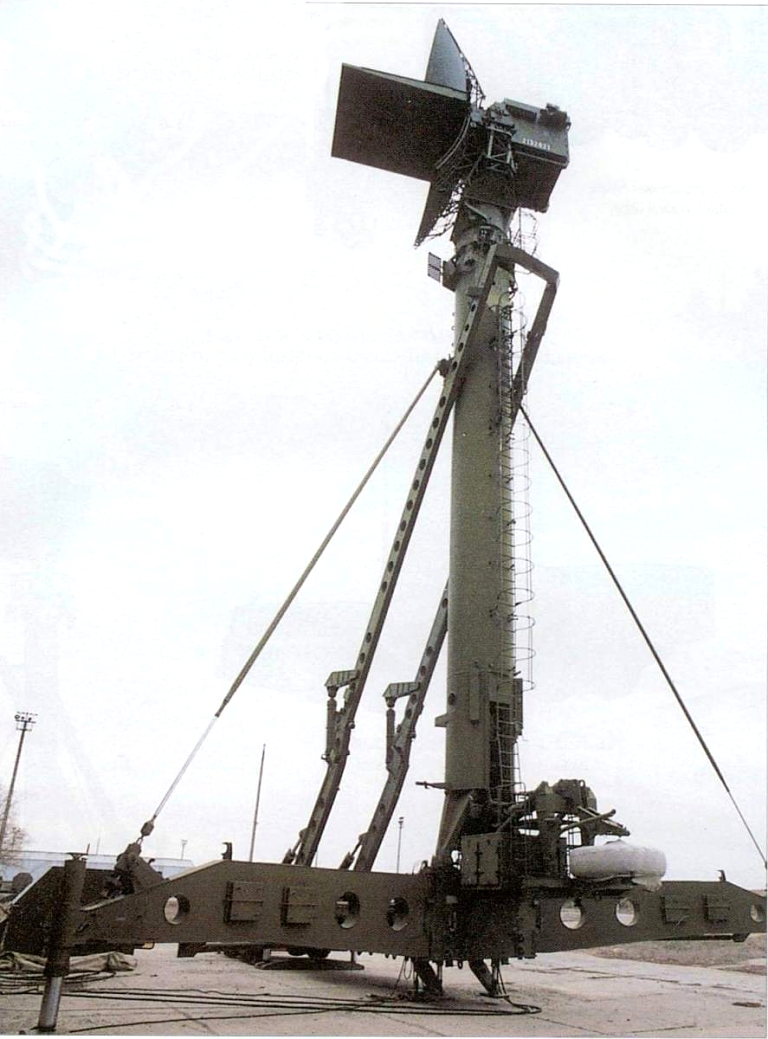
76N6 Clam Shell with 78 ft 40V6M mast for improved low altitude coverage.
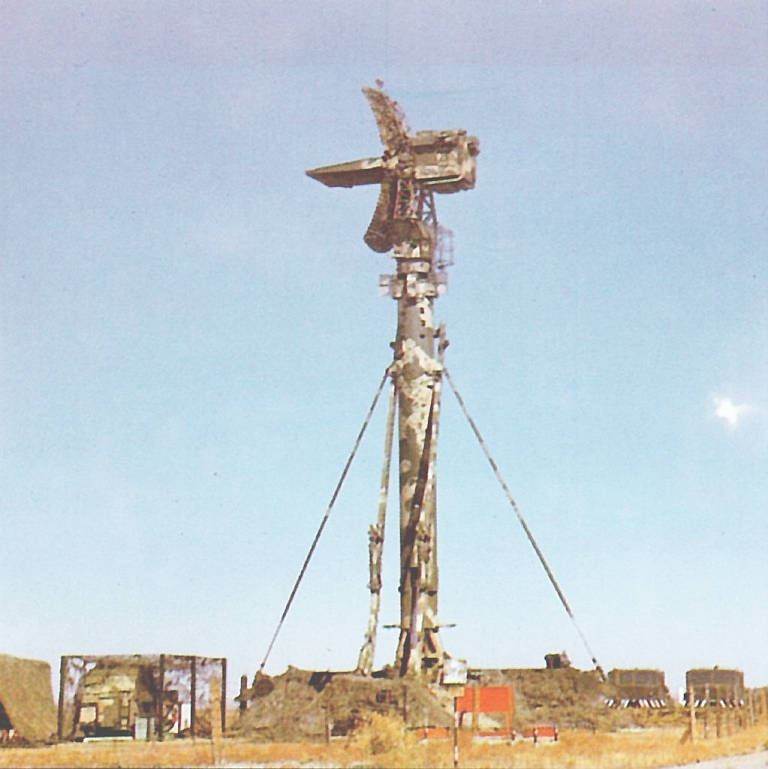
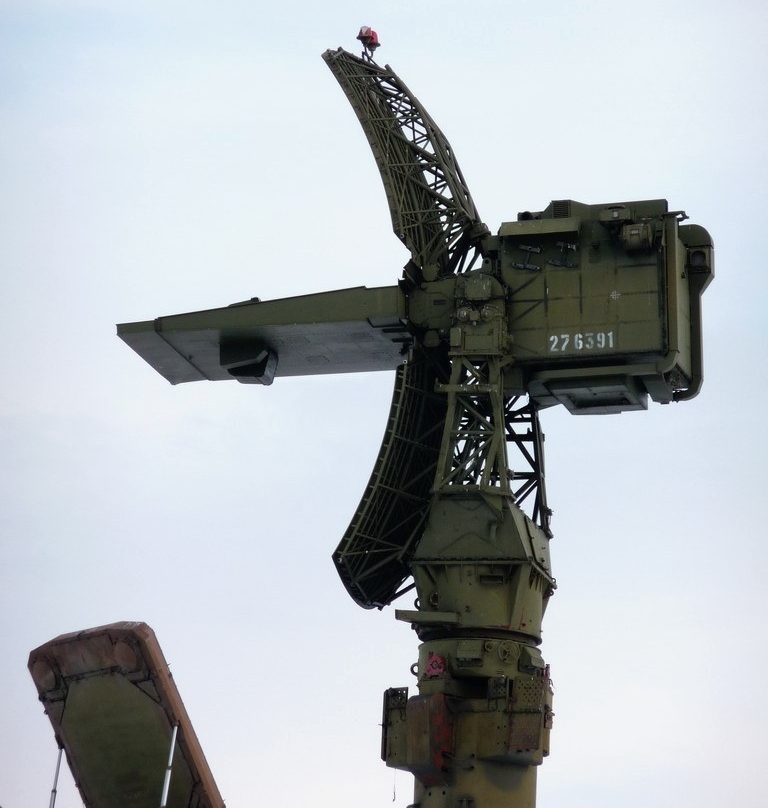
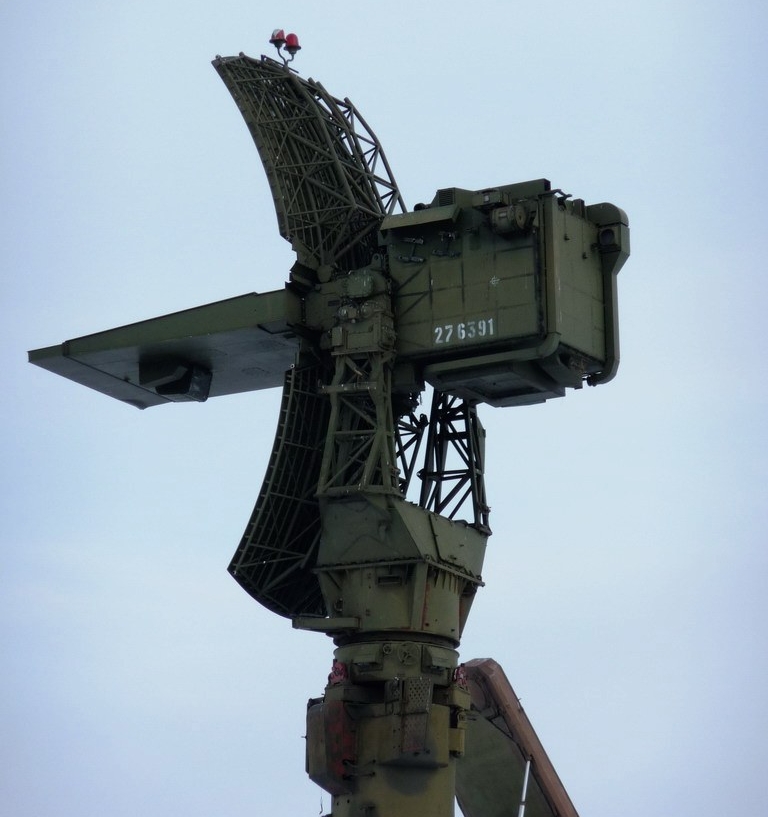
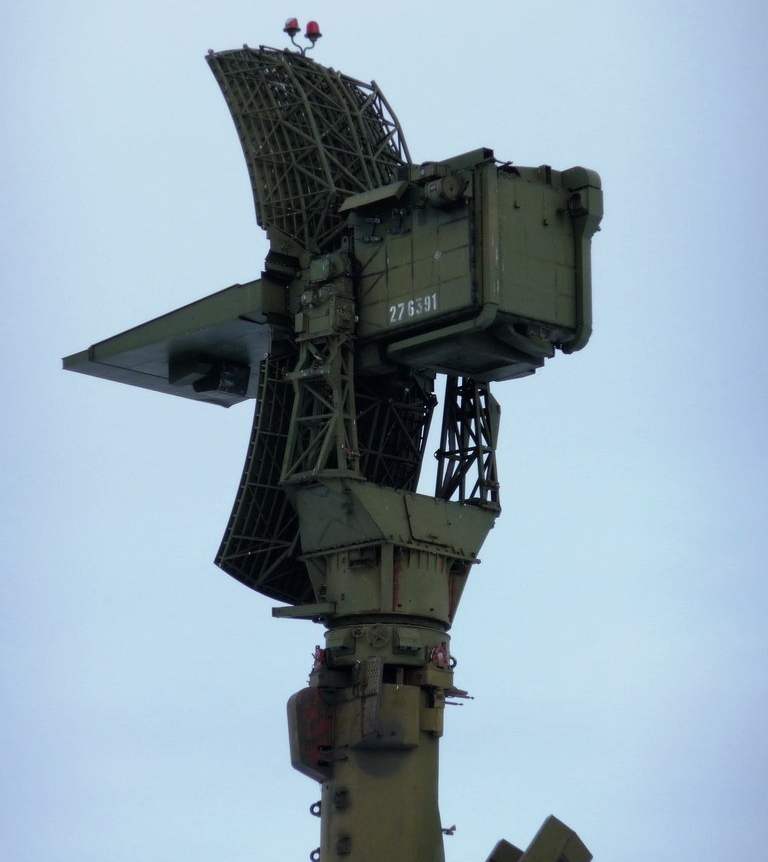
76N6 Clam Shell Low Altitude Acquisition RadarThe Moscow based LEMZ (Lianozovo) company is now openly marketing the Clam Shell (5N66/5N66M/76N6/76N6E) low altitude search and acquisition radar for the SA-10A/B (S-300 PMU) Grumble SAM system. Representatives of the company distributed a technical brochure at the 1995 Avalon Airshow in Melbourne. The SA-10 is at this time the most potent of the late generation ex-Soviet strategic area defence SAM systems to be exported. The Clam Shell is a low altitude FMCW (frequency modulated continuous wave) search and acquisition radar designed to detect and track approaching and receding low radar cross section (RCS) targets, particularly cruise missiles. The system will detect targets at extremely low altitudes in ground clutter under intense ECM conditions. This system is described as fully automatic and provides target track information for the fire control system of the static SA-10A or mobile SA-10B Grumble area defence SAM. Approaching and receding target velocity, range and bearing are provided, with selectable 1 or 6 degree vertical beamwidths, and selectable beam polarisation. The FA-51MU antenna head subsystem combines a receive and transmit antenna, separated by a shielding structure, which prevents spillover from the transmitter into the receiver. The brochure states the antenna design includes sidelobe suppression features. The doubly curved transmit and receive reflectors each measure 9.2 ft per side. The antenna head is mounted on a hydraulically elevated mast which is supplied in two versions, the taller 127 ft 40V6MD and the shorter 78 ft 40V6M (see photo). The antenna mast and head are mated before elevation on a semi-trailer which is towed by a MAZ-537 tractor. The Clam Shell transmitter, embedded in the FA52MU Receiver/Transmitter Module, produces a high purity CW signal for search mode operation, with imposed low frequency FM modulation for ranging to targets. Appropriate signal processing provides rejection of clutter, terrain features, precipitation, high density chaff clouds and jamming. Horizontal scan through through 360 degrees is achieved by antenna head rotation, using a conventional rotational coupler. The operator console, signal processing hardware, track data processor, BIT subsystem and PPI display tube are all built into the road transportable F52MU modular shelter. Operation of the radar can be manual or fully automatic and the system may be remotely controlled via cables from distances up to 500 metres. Quoted performance figures include the detection of targets with an RCS as low as 0.02 square metres, at speeds of up to 1,400 kt, with a bearing resolution of 1 degree, velocity resolution of 9.3 kt and range resolution of 2.15 NM. Quoted RMS tracking errors are 0.3 degree in bearing, 4.7 kt in velocity and 1 NM in range. Chaff rejection performance is quoted at better than 100 dB, detection range is stated to be 50 NM for targets at 1,500 ft altitude, and 65 NM for 3,000 ft altitude. The transmitter delivers 1.4 kW of CW power at an unspecified carrier frequency, system MTBF is quoted at 100 hr with an MTTR of 0.5 hr. The typical S-300PM/PMU / SA-10B Grumble mobile battery comprises a 30N6E series Flap Lid B space fed phased array fire control radar, colocated with the operators' command shelter on an 8x8 MAZ-7910 all terrain carrier vehicle, multiple 5P85 series TEL vehicles each carrying four rounds in cylindrical containers, and a pair of search and acquisition radars. The Big Bird S-band acquisition and battle management radar provides long range search at medium to high altitudes, and is supplemented by the Clam Shell which provides low level coverage, particularly against cruise missile type targets. A mast mounted semi-mobile Flap Lid A phased array may also be used, providing engagement capability against low flying targets. The Flap Lid will provide for concurrent engagements against up to six targets, with two missiles allocated to each target. The SA-10 is reported to use a Track Via Missile (TVM) guidance scheme not unlike that in the Patriot SAM. Typical deployments the mast mounted Flap Lid A will be used together with the mast mounted Clam Shell, to provide an integrated acquisition and engagement capability against low flying targets up to the radar horizon. An issue for the Western electronic warfare community is that the Clam Shell uses FMCW techniques, while many older and established radar warning receivers (RWRs) and trackbreaker jammers (ECM) may not have the capability to detect and jam this system. FMCW systems are generally credited with excellent resistance to conventional jamming techniques, and excellent clutter and chaff rejection, both points stressed in the manufacturer's document. As this system is now being marketed worldwide, with China the single largest global export customer, it is likely that it will find other regional users in time. Aircraft not equipped with suitable threat warning systems and CW capable countermeasures will be highly vulnerable to this capable area defence SAM system.
|
||||||||||||||||||||||||||||||||||||||||||||||||||||||||||||||||||||||||||||||||||
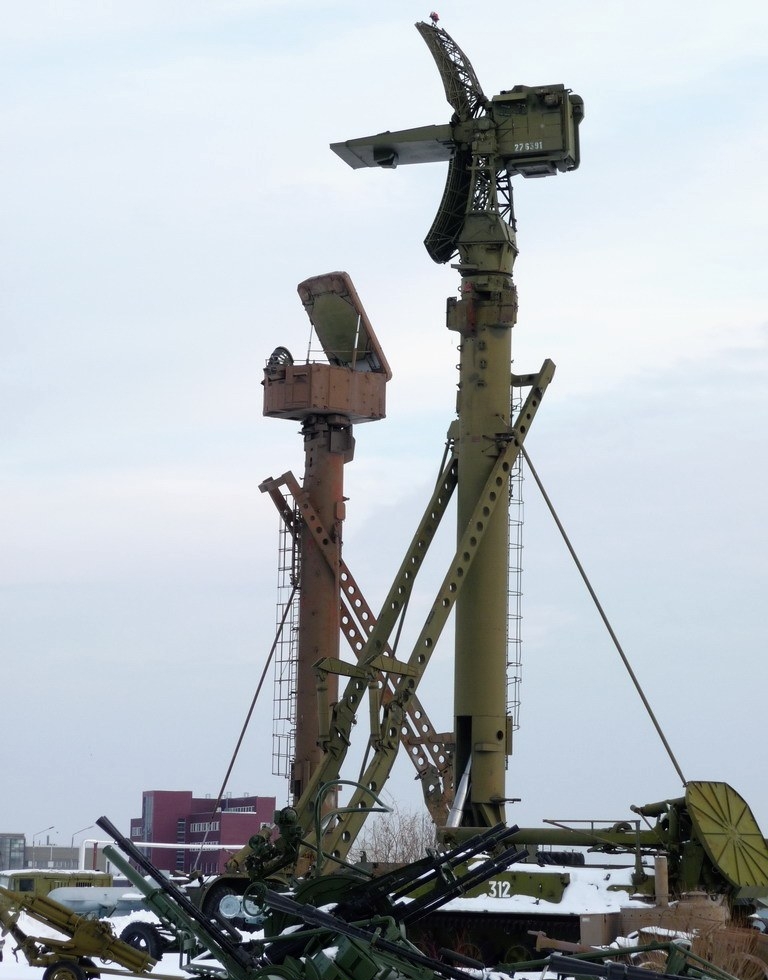 An excellent study of the 5N66M Clam Shell B antenna system by Said Aminov, produced at Togliati in Russia (© 2009, Said Aminov). 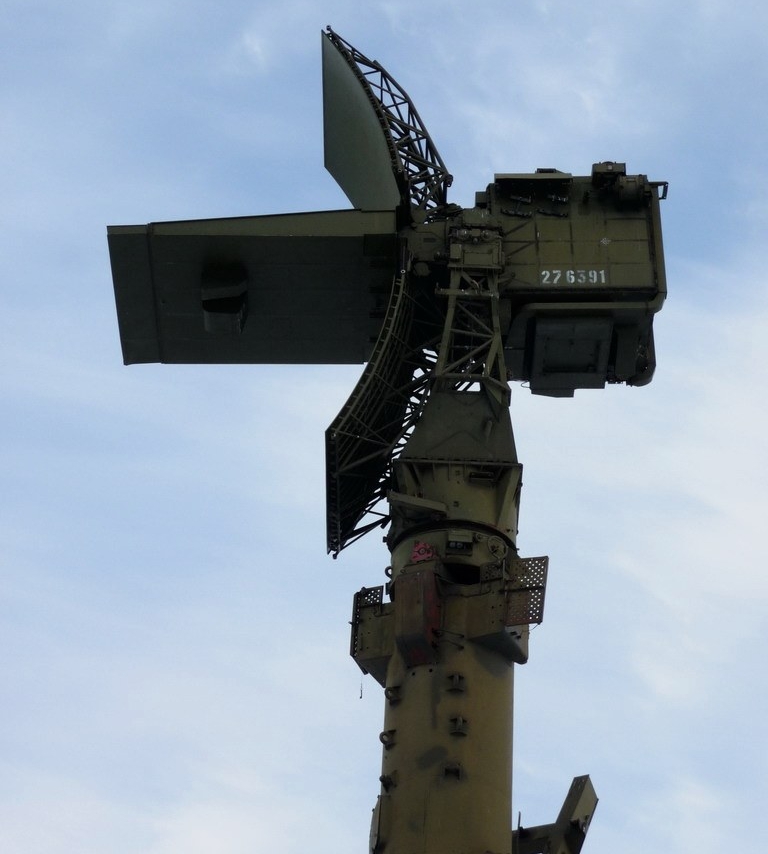
|
||||||||||||||||||||||||||||||||||||||||||||||||||||||||||||||||||||||||||||||||||
Technical Note #1 (April 2011)In the sixteen years since LEMZ first released the basic technical brochure for the 76N6E/5N66 Clam Shell series radar, no declassified technical manuals or other materials have become available. This is not surprising since the Clam Shell remains a major part of existing Russian PVO IADS S-300P/PT/PS/PM SAM batteries. Moreover, large numbers of 76N6E Clam Shell radars have been exported to post Cold War clientele, packaged with S-300PMU / SA-10B Grumble, S-300PMU1 / SA-20A Gargoyle and possibly some S-300PMU2 Favorit / SA-20B Gargoyle batteries, although the latter tend to employ the newer planar array 3D LEMZ 96L6 as a single replacement for the paired 5N59/36D6/ST-68U/UM Tin Shield and 76N6E Clam Shells used almost exclusively with earlier configurations of the S-300P series system. What has been declassified and is now available on Russian websites is technical literature for the other widely deployed Almaz packaged CW radar, the 5N62 Square Pair, which is the CW engagement radar for the very long range S-200 / SA-5 Gammon SAM, first deployed in the late 1960s and a mainstay of the PVO and Warsaw Pact IADS. This semi-active homing SAM design, which still remains in use in many nations including Syria, Iran and the DPRK, is designed to kill high flying targets at ranges of up to 160 nautical miles. The Square Pair has limited autonomous acquisition capability, but is built to provide dual plane monopulse angle tracking, ranging and CW illumination in an intensive countermeasures environment.  Semi-mobile
configuration of the improved K-1M van with 5N62 Square
Pair CW tracker/illuminator on display at Kecel in Hungary. Note the
second Square
Pair at maximum elevation angle in the background (Image © Miroslav
Gyűrösi).
The basic antenna design employed in the late 1960s Square Pair and early 1970s Clam Shell differs only in specific details. While the Clam Shell is hydraulically deployed and stowed, the Square Pair KA-141 and KA-151 antenna systems comprise individual antenna segments which must be manually assembled or disassembled by a team of technicians using a crane. The transmit and receive reflectors employ a similar construction method, with a latticework tubular frame to provide a stiff structural support for the parabolic section reflector panels. No differently the spillover screen or “knife” in Russian jargon is employed to both separate the transmit and receive paths, and also mount the transmit and receive antenna feeds. The latter are visually very similar to the C-band KA-152 dual plane monopulse receive antenna feed on the Square Pair. The differences in the antenna designs reflect the different design optimisations of of these respective radars. The Square Pair employs a much larger transmit reflector to provide a narrower mainlobe, and a ventral clutter screen orthogonal to the primary screen. In the Clam Shell, the ventral half of the antenna will be used for the transmit path, thus permitting the single spillover screen to double up as a clutter screen for the upper receive path antenna, to minimise ground bounce reflections from entering. The mounting of an X-band IFF antenna horn on the ventral side of the screen on some Clam Shells is consistent with a similar mounting style on PVO Square Pairs. The FA52MU Receiver/Transmitter Module which mechanically acts as a counterweight for the Clam Shell antenna, follows a similar arrangement to the K-1V Transmitter/Receiver Housing on the Square Pair. The likely angle tracking arrangement in the Clam Shell is a dual plane monopulse scheme similar to the KA-152 dual plane monopulse receive antenna feed on the Square Pair. The cited angle tracking error for the Clam Shell is 0.16° - 0.33°, which is consistent with a monopulse design. Inevitably the different antenna optimisations between the Clam Shell, built as a search radar, and the Square Pair, built for precise angle tracking, will be reflected in the design. The Square Pair is built for precise angle tracking at two to three times the range of the Clam Shell. The Clam Shell is built to acquire low flying targets in a very narrow altitude band, using 1° or 6° vertical mainlobe widths. The modulation employed in the Clam Shell series has not been disclosed. The Square Pair employs two distinct modulation schemes, one for distant / high radial velocity targets, and another for near / low flying / low radial velocity targets. The latter is of interest since it is an FWCW waveform, using a low frequency sinusoidal frequency deviation, and was developed for the tracking of near and very slow moving (radial velocity 40-60 m/s) or stationary targets. While it is possible that the Clam Shell series uses a linear FM waveform, until some technical publications are declassified, there is insufficient open source data to draw hard conclusions about the modulation. It is entirely possible that the Square Pair FWCW design was adapted, as it would appear that the antenna subsystem was adapted. |
||||||||||||||||||||||||||||||||||||||||||||||||||||||||||||||||||||||||||||||||||
References/Notes
|
||||||||||||||||||||||||||||||||||||||||||||||||||||||||||||||||||||||||||||||||||
Specifications (LEMZ)
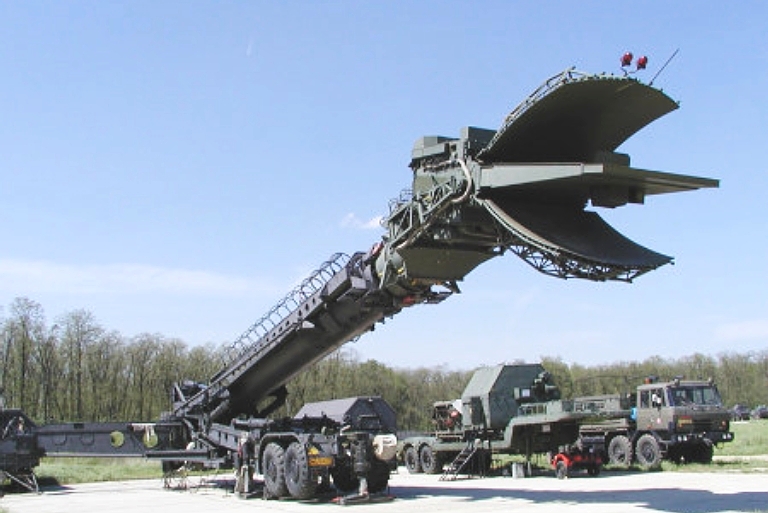
5N66/5N66M/76N6/76N6E / 40V6M/MD Clam Shell Imagery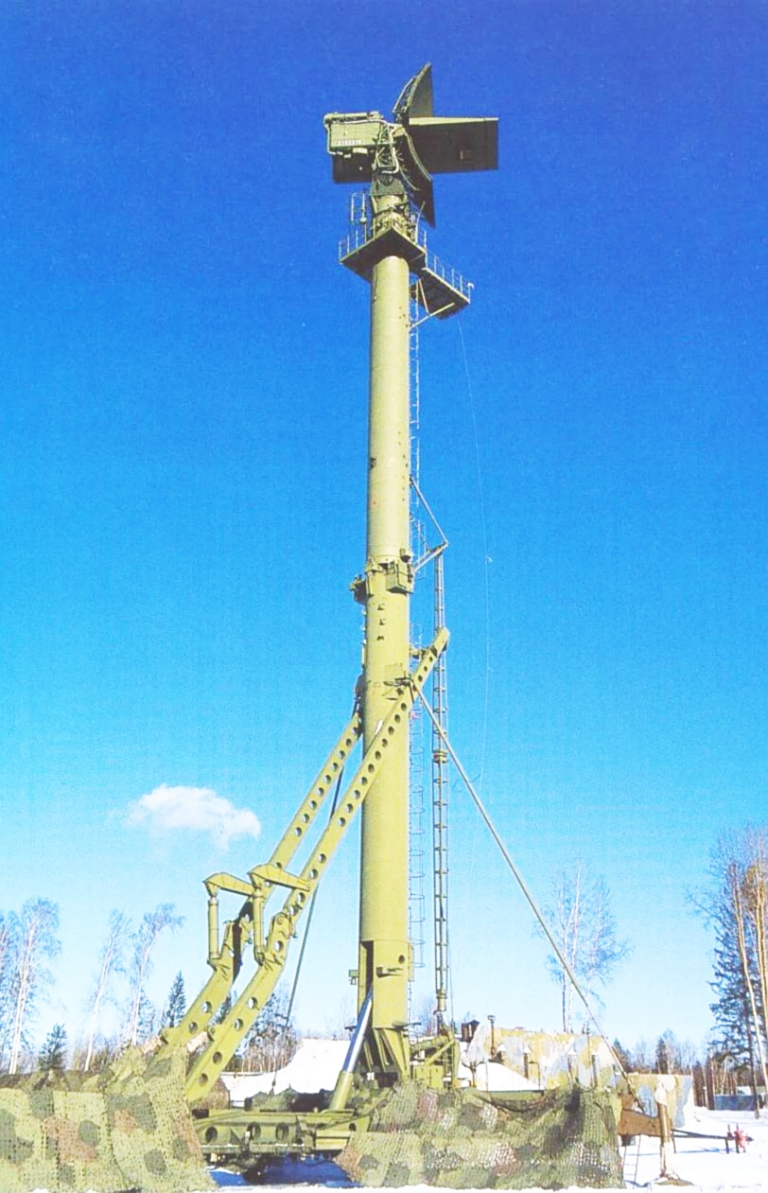 The LEMZ 76N6 Clam Shell 2D FMCW acquisition radar is used to support the 30N6 series Flap Lid or Tomb Stone SA-10/20 fire control radar, and is specifically designed to acquire and track low flying cruise missiles and terrain following aircraft. The unit depicted is deployed on the 127 ft 40V6MD extended height elevating mast. 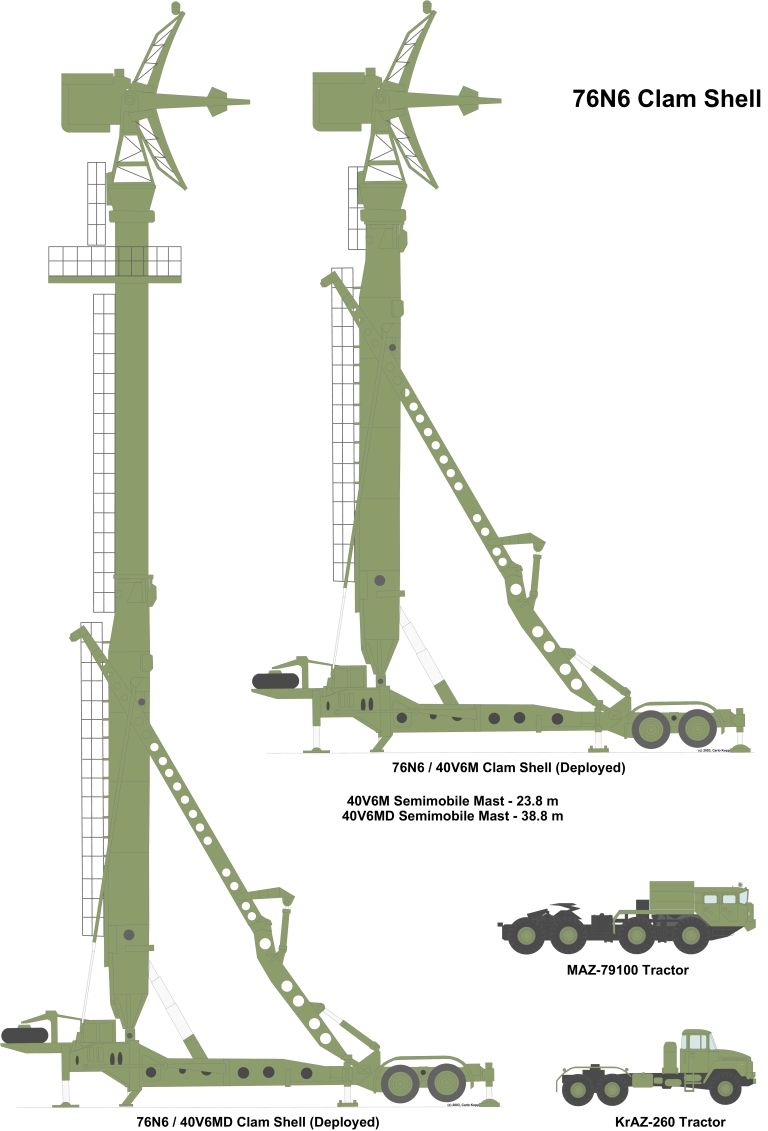 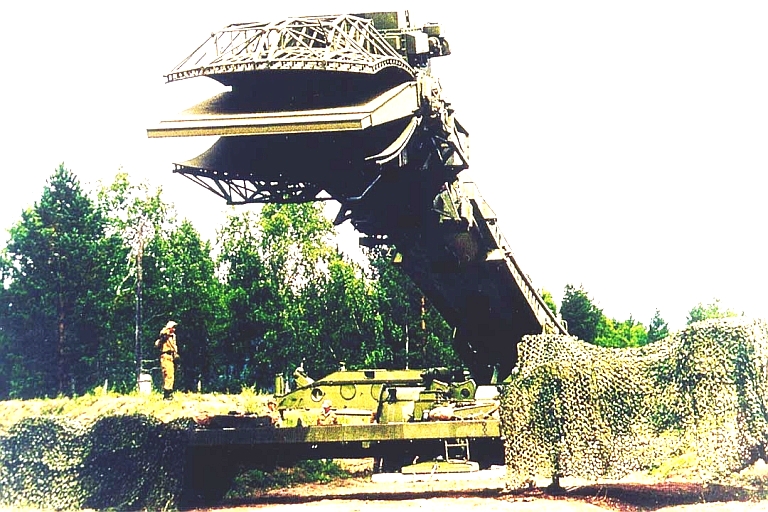 The
deployment of the Clam
Shell requires that the splayed supports be deployed before the mast is
hydraulically elevated. This image gives a good measure of the size of
this radar (upper). Slovakian Army S-300PMU battery elevating a 76N6
Clam Shell (lower - Slovakian MoD image).
 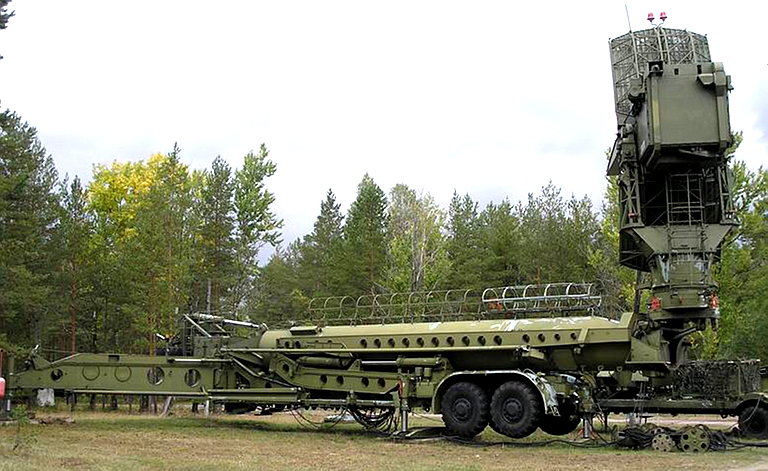 An interesting view of the 76N6 mounted on
a deployed 40V6M mast. The radar head has been tilted by 90° and the
transmit and receive reflectors fully deployed (Russian internet).
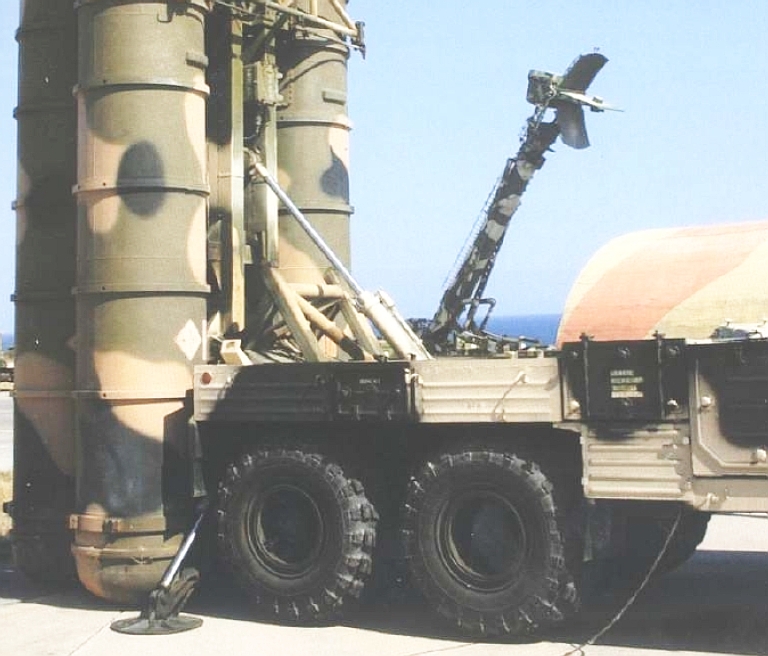 Background
- a 76N6 Clam Shell on the 40V6M mast almost fully elevated. The
foreground image is a 5P85TE1 TEL.
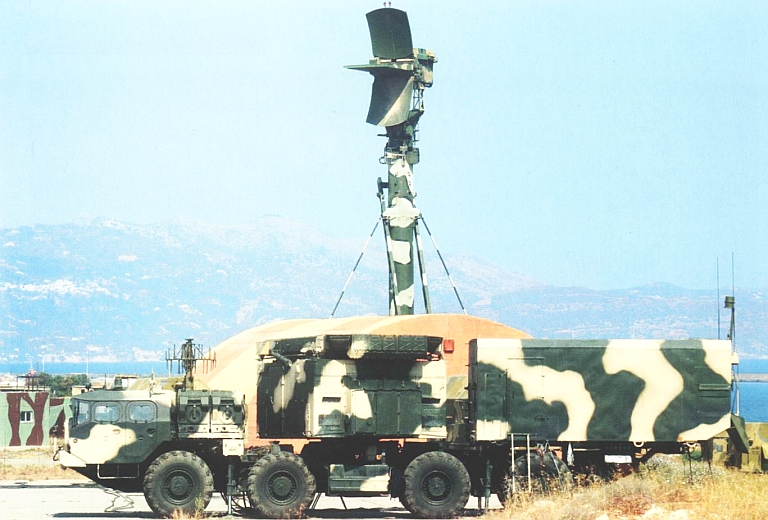 Greek
Cypriot S-300PMU1 battery. In the
foreground the stowed 30N6E1 Tomb Stone (Flap Lid), in the background
the deployed 76N6 Clam Shell with 40V6M mast.
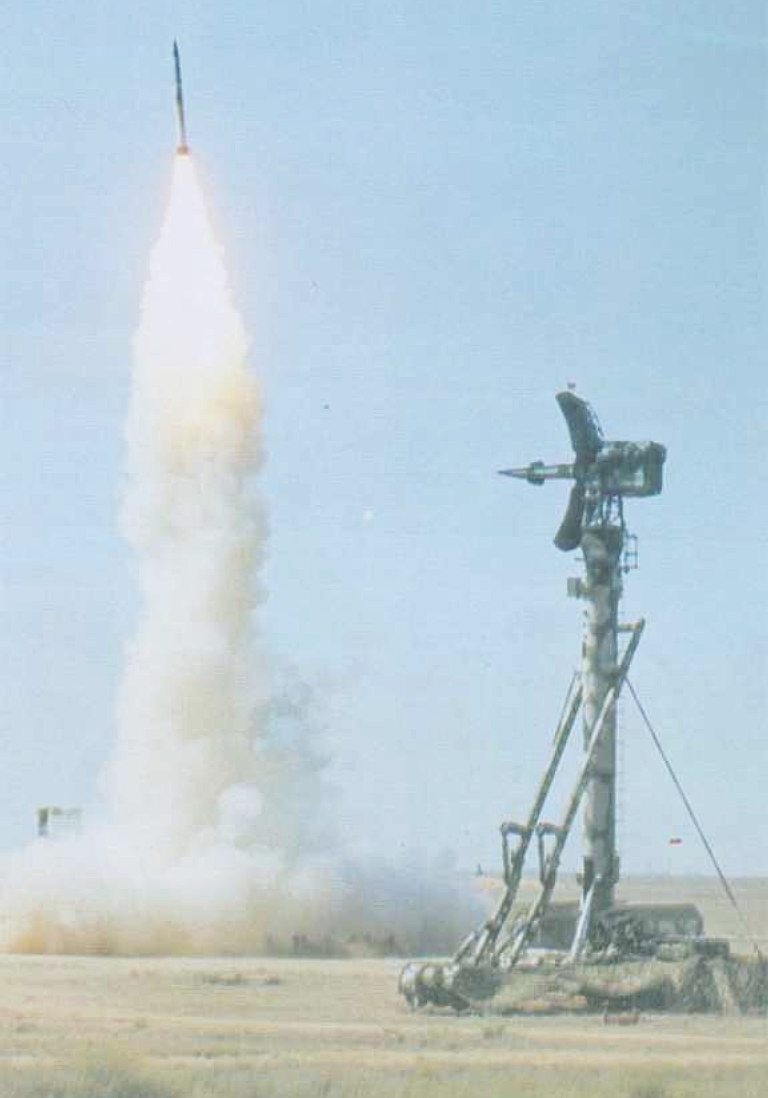 Russian
test
range
shot
of
a
48N6E
missile launch, with a 76N6 Clam Shell in
the foreground.
Technical
Report
APA-TR-2004-1001
|
||||||||||||||||||||||||||||||||||||||||||||||||||||||||||||||||||||||||||||||||||
|
|||||||||||||
|
|
|
|
|
|
|
|
|
|
|
|||
|
|
|
|
|
|
|
|
|
|
|
|||
 |
|
|
|||||||||||
| Artwork, graphic design, layout and text © 2004 - 2014 Carlo Kopp; Text © 2004 - 2014 Peter Goon; All rights reserved. Recommended browsers. Contact webmaster. Site navigation hints. Current hot topics. | |||||||||||||
|
Site Update
Status:
$Revision: 1.753 $
Site History: Notices
and
Updates / NLA Pandora Archive
|
|||||||||||||
|
|
Tweet | Follow @APA_Updates | |||||||||||
|
|
|||||||||||||
|
|
|||||||||||||