|
||||||||||||||||||||||
![Australia's First Online Journal Covering Air Power Issues [ISSN 1832-2433]](APA/APA-Title-Analyses.png "Australia's First Online Journal Covering Air Power Issues [ISSN 1832-2433]") |
||||||||||||||||||||||
![F-22A Raptor, FB-22, F-22E, F-22N and Variants Index Page [Click for more ...]](APA/f-fb-22.png "F-22A Raptor, FB-22, F-22E, F-22N and Variants Index Page [Click for more ...]") |
 |
![People's Liberation Army Air Power Index Page [Click for more ...]](APA/pla-air-pwr.png "People's Liberation Army Air Power Index Page [Click for more ...]") |
 |
 |
 |
 |
 |
 |
![Military Ethics, Culture, Education and Training Index Page [Click for more ...]](APA/ethx-culture.png "Military Ethics, Culture, Education and Training Index Page [Click for more ...]") |
 |
||||||||||||
 |
![Russian / Soviet Weapon Systems Index Page [Click for more ...]](APA/rus-weps.png "Russian / Soviet Weapon Systems Index Page [Click for more ...]") |
 |
 |
 |

|
 |
 |
 |
 |
 |
||||||||||||
 |
 |
 |
||||||||||||||||||||
| Last Updated: Mon Jan 27 11:18:09 UTC 2014 | ||||||||||||||||||||||
|
||||||||||||||||||||||
|
||||||||||||||||||||||
|
||||||||||||||||||||||
|
|
|
|
|
|
|
|
|
|
|
||||||||||||
|
|
|
|
|
|
|
|
|
|
|
||||||||||||
| |
|
|
||||||||||||||||||||
| Last Updated: Mon Jan 27 11:18:09 UTC 2014 | ||||||||||||||||||||||
|
||||||||||||||||||||||
| Hardening
RAAF Air Base Infrastructure |
|||||||||||||||||||||||||||||||||||||||||||||||||||||||||||||||||||||||||||||||||
|
|||||||||||||||||||||||||||||||||||||||||||||||||||||||||||||||||||||||||||||||||
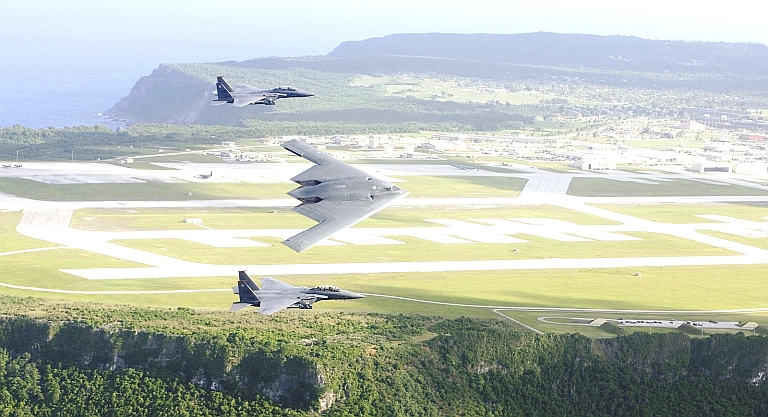 Andersen AFB at Guam. The absence of modern hardening measures, no differently to RAAF basing in the north of Australia, presents a major survivability issue for this base in any escalated contingency (US Air Force image). |
|||||||||||||||||||||||||||||||||||||||||||||||||||||||||||||||||||||||||||||||||
|
|
|||||||||||||||||||||||||||||||||||||||||||||||||||||||||||||||||||||||||||||||||
|
|
|||||||||||||||||||||||||||||||||||||||||||||||||||||||||||||||||||||||||||||||||
| The proliferation of large quantities of
precision guided munitions, including cruise missiles capable of air
and submarine launch, has changed the regional strategic calculus. Most
nations will be equipped with a robust capability to attack air bases,
and may have the option of surprise pre-emptive attacks. Historical experience shows that attacks on air bases can be highly profitable in terms of inflicting attrition on an opponent's air assets. No matter how survivable a combat aircraft might be, on the ground it is as vulnerable as any other soft target. Operation Bodenplatte in 1944/45, the Israeli Six Day War and Desert Storm are all good examples of how exposed aircraft become inviting targets, and subsequently, scrap metal. The problem of base hardening is one which has not been addressed in the Australian defence debate to any great extent in the past. While some very good theoretical work has been done in Australia, it has not been reflected strongly in planning. Dispersal areas and redundant taxiways have been employed for recently constructed bases such as RAAF Curtin. Unfortunately, the proliferation of smart bombs and cruise missiles across the region, many with precision guidance capabilities, much reduces the effectiveness of dispersal in base hardening. Evolving Airbase Hardening MeasuresThe established philosophy of 'classical' airbase hardening developed during the Second World War, when both the Allies and Axis at various stages of the conflict were able to bring the full might of their heavy and medium bomber forces, and fighter bombers, against their opponents' airfields. As these aircraft were armed with dumb bombs and guns of varying calibres, experience soon showed that direct hits on parked aircraft would be mostly produced by dive bombing or low altitude strafing or rocket attacks. Given the accuracy of dumb bombs aimed by gyro stabilised optical bombsights, dropped from medium or high altitudes, direct hits on parked aircraft were the exception rather than the rule for this regime of attack. Dive bombing and strafing thus became the techniques of choice for dealing with airfields. The revetment evolved as a defensive measure in this environment, typically involving the construction of a U-shaped berm using earth, sandbags, rock or other available materials. The revetment served several useful purposes:
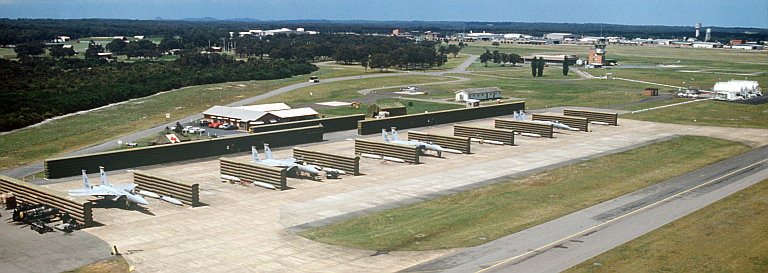 Minimal
revetting is used to protect these F-15As during a 1980s exercise (US
DoD).
The advent of nuclear bombs complicated matters considerably. While a revetment would protect an aircraft from some of the overpressure and flash effects of a nearby nuclear event, that protection was not entirely good enough. If the the nuclear weapon was airburst at low altitude, or surface burst, the high velocity shockwave would often be powerful enough to suck the aircraft out of the revetment and wreck it. If the weapon was airburst at a sufficiently high altitude, a line of sight path may have existed between the bomb and the parked aircraft, resulting in ignition or burn damage, as well as shockwave damage. Revetments became increasingly displaced by Hardened Aircraft Shelters (HAS). The HAS is a concrete or combined concrete and earthworks structure which wholly protects the aircraft from blast, flash and other weapons effects. Construction techniques and hardness vary widely. HAS built solely for defence against nuclear attack would be built to withstand some nominal blast overpressure consistent with a nuclear weapon yield in kilotonnes/Megatonnes and some nominal miss distance, consistent with an opponent's delivery system. The most elaborate shelters were further equipped with door seals and filtered ventilation to protect personnel from nuclear fallout effects. This would allow the ground crew, alert pilot and aircraft to 'sit out' a nearby nuclear strike until outside radiation levels declined to the point where the aircraft could be safely sortied again. 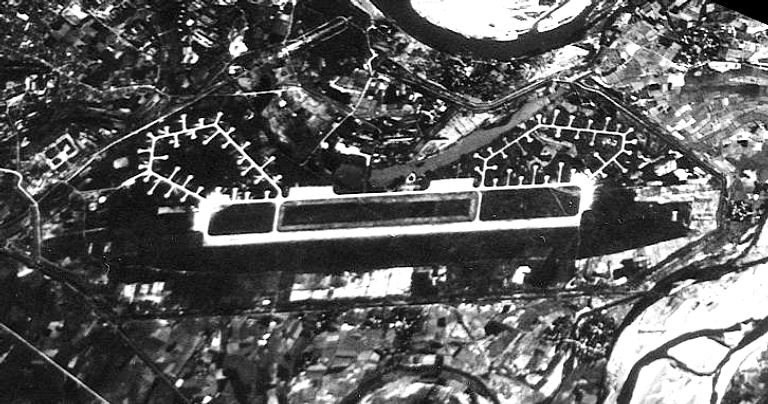 PLA AF Quzhou AB in the Nanijing MR. Quzhou is atypical insofar as the revetments in the dispersal area are connected by a full arc of taxiway, requiring multiple 'cuts' by an attacker to close the taxiway. The revetment pads of typical PLA airfields are 75 to 100 ft in diameter and can accommodate up to three Farmer, Fantan or Fishbed fighters. Dispersal taxiways are typically 45 ft wide. At least one Badger base has pads sized to fit a single aircraft, but no berms were installed. It is worth considering that the PLA's approach to the construction of semi-hardened and hardened basing closely follows the Soviet Cold War model, exemplified by former Frontal Aviation bases in East Germany such as Grossenhein, Templin-Gross (note the auxiliary dispersal alert runway), Altenburg-Nobitz, Tutow-Demin, Brand, Welzow, Damgarten, Wittstock, Eberswalde-Finow, Zerbst, Hinsterwalde, Juterbog, Merseburg, Rechlin and Sperenberg. For comparison, Ramstein AFB in West Germany (US DoD). 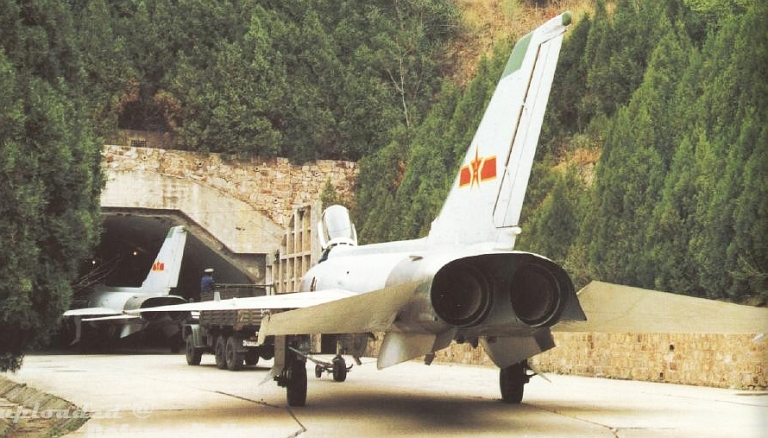 This pair of J-8Is most likely belong to the 16th Air Regiment, 6th Fighter Division, based at Yinchuan in the Lanzhou MR. Yinchuan is one of several 'superhardened' PLA-AF bases (PLA). 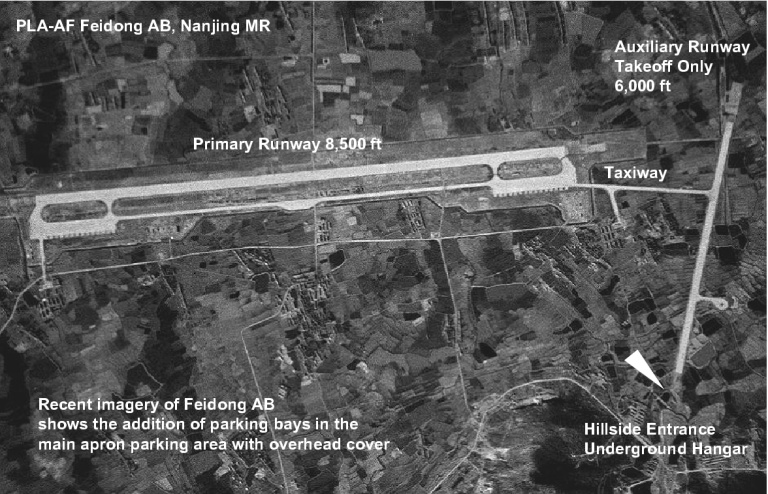 The PLA-AF fighter base at Feidong in the Nanjing MR [Click for more ...] is a good example of the design of a 'superhardened' fighter base. The primary runway , available for takeoffs and landings, has a wide full length parallel taxiway to enable recoveries in the event of damage. An auxiliary take-off only alert runway is directly connected to the underground hangar entrance, allowing the fighter to roll out of the tunnel, line up, open the throttles and take off quickly. The PLA invested considerable thought into planning its network of 'superhardened' fighter bases, usually placing the runways behind a hill or mountain, relative to the threat axis. Another good example of such a base is at Yinchuan [Click for more ...] in the Beijing MR. While modern smart weapons have diminished the effectiveness of such base designs, they still present genuine challenges in targeting and achieving robust weapons effects (US DoD). Where the HAS was considered inadequate, inventive military engineers sought to construct complete hangars underground. The Warsaw Pact, the Swiss, the Chinese and the Taiwanese have invested heavily in such designs. Arguably the most numerous and elaborate arrangements were constructed by the PLA in China, these including concrete structures to protect blast doors, and auxiliary take-off only runways, which doubled up as recovery taxiways, to enable scrambling fighters to get to the runway threshold seconds after rolling out of the main entrance. Many such 'superhardened' bases remain in use, especially in China and Taiwan. While protecting aircraft, personnel and critical support equipment was a priority in the base hardening game, these components of a unit were not the only vulnerabilities a base might have. Runways and taxiways are inherently exposed and thus also attractive targets. Because runways and taxiways can be rapidly repaired given adequate earthmoving machinery, personnel, and materials, most targeteers regard damage inflicted to runways and taxiways to be temporary, and will plan to reattack frequently enough to keep an airbase closed. In the battle for the control of the air, an initial play would be to cut runways and taxiways to bottle up aircraft in shelters or revetments, with subsequent sorties planned to pick off the stranded aircraft. Mindful of this military engineers soon evolved techniques to make this strategy difficult to execute. Redundant runways, the use of longer runways than otherwise required, the use of taxiways as auxiliary runways, and variously redundant taxiway schemes were adopted. Mostly the aim of these was to force an opponent to deploy a much larger number of munitions to effect a shutdown of flying operations at such a base. Other techniques to harden airbase surfaces included the use of specialised concrete compositions, which would include aggregates or additives to increase the toughness of the concrete, making it harder to fracture even with a specialised runway busting munition. The Soviets used blast furnace slag extensively for high strength concretes. The fuel infrastructure of an airbase is another potential vulnerability. If an attacker can destroy the fuel supply, and associated plumbing, that alone might be enough to render a base unusable. The defender's play varies, from concrete walled above ground storage, to buried fuel storage with varying depths of concrete roof and soil above. Underground fuel storage can be expensive, as the cost scales almost directly with the thickness of the tank roof and soil layer above it. Suffice to say multiple redundant fuel tanks of smaller capacity are invariably more survivable than smaller numbers of larger tanks. While aircraft, personnel, support equipment, surfaces and refuelling infrastructure are the primary targets an attacker will pursue, they are not the only targets. This in turn has seen hardened bases gain shelters or bunkers for munitions storage, as well as for critical C3 elements at a base. By the end of the Cold War many nations had constructed a considerable number of well hardened bases, designed to be almost impregnable to attacks using dumb bombs, rockets, aircraft cannon, or to attackes employing nuclear weapons, if not hit directly. The late 1960s however saw the emergence of a new weapons technology, for the first time used in significant numbers. The technology was the Precision Guided Munition (PGM) or 'smart bomb', a technology initially dominated by television or contrast lock guided weapons, and laser guided weapons. First deployed during the Second World War, guided bombs soon wrought havoc upon North Vietnam's basic infrastructure. Reinforced concrete structures which could withstand dozens of near misses by even very large bombs, collapsed when hit directly by a precision guided bomb. 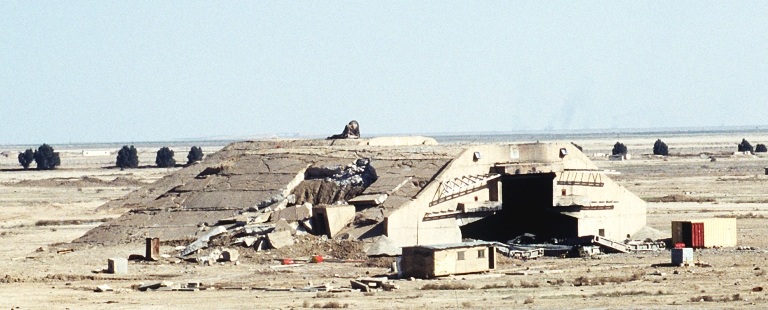 While the US Air Force successfully destroyed around 375 of Iraq's 594 HAS during the Desert Storm campaign, typically at least two 2,000 lb BLU-109/B warheads were required per target for this purpose (US DoD). 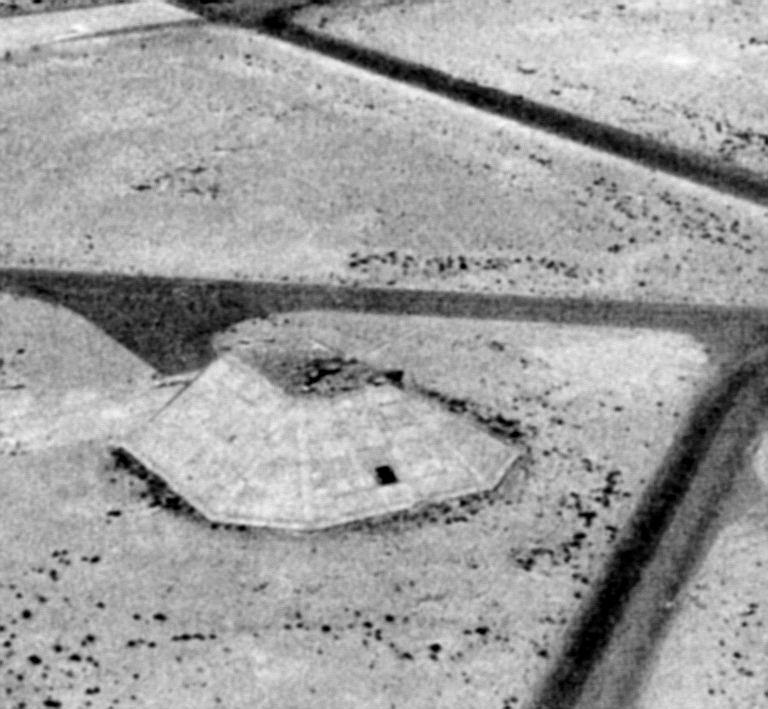 PGMs vs Hardened SheltersWhile the advent of PGMs, specifically the Laser Guided Bomb, produced an enormous impact on the ability to precisely hit targets per sortie, this did not necessarily translate into hard kills against well hardened targets. Many structures, such as command bunkers and HAS, were built to withstand significant overpressure effects from nuclear near misses. A key limitation during this period was a propensity for the thin shelled Mk.80 series bomb casings to fracture on impact and fail to penetrate the reinforced concrete. A large number of hits might then be required to produce effect - if any. This was much the problem encountered by the RAF and USAAC during the 1940s CBO in Europe, and led to the Barnes Wallis designed Tallboy and Gland Slam bunker busters. The US Air Force in 1985 sought to rectify this by initiating development of the new I-2000 Have Void warhead, which eventually became the BLU-109/B of Desert Storm fame. The new weapon had a cylindrical hardened steel casing with a tungsten tipped ogival nosecone, and tail mounted FMU-143 fuse. It is claimed to be capable of penetrating 6 ft of reinforced concrete. Lockheed Missiles & Space Company and National Forge Company were contracted to develop and manufacture the 2,000 lb class weapon. The narrower casing and thicker walls resulted in a lower volume of explosive filler, with only 550 lb of PBNX-109 employed. In 1991 the BLU-109/B was extensively used by the F-117A force, usually with the Texas Instruments GBU-27 (modified GBU-24) guidance kit. The weapon proved highly effective against HAS and other bunker targets. Many targets however were so well hardened that two rounds were required to effect a kill, the first to break into the concrete and the second to fly down the hole so produced and penetrate inside the cavity.
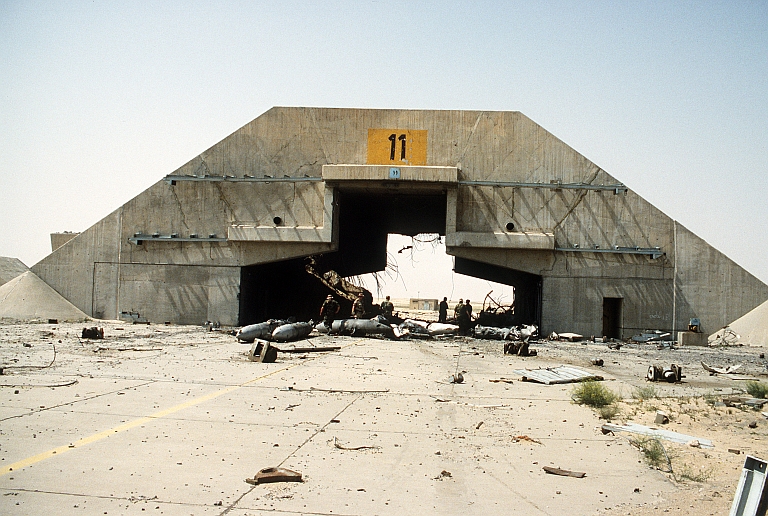
Deeper targets were engaged with the deep penetrating 5,000 lb class GBU-28 "Deep Throat" weapon, equipped with the BLU-113/B warhead. Since then the US has developed the derivative thermobaric BLU-118/B, using a BLU-109/B casing filled with a thermobaric incendiary filler charge. When initiated, the thermobaric filler would combust all of the oxygen in the target cavity, heating it to a high temperature in the process. While initially developed for attacking biological and chemical weapons storage bunkers, the weapon proved very useful in late 2001 attacks against Taliban cave complexes. 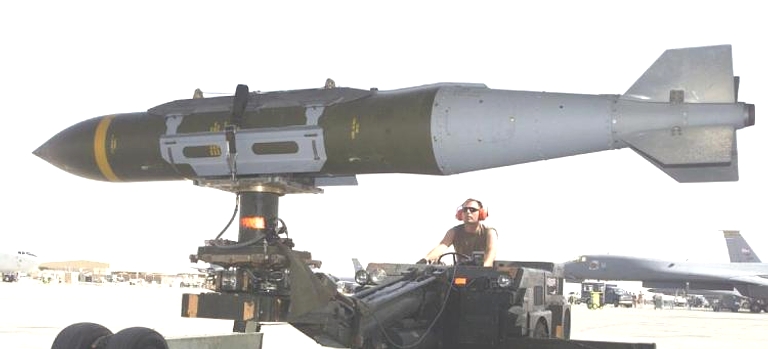 The 1980s BLU-109/B has been used extensively, both with the GBU-24/27 LGB kit and the GBU-31(V)3 JDAM (upper) kit. A GBU-109/B casing with a thermobaric filler (lower) is a BLU-118/B (US DoD). 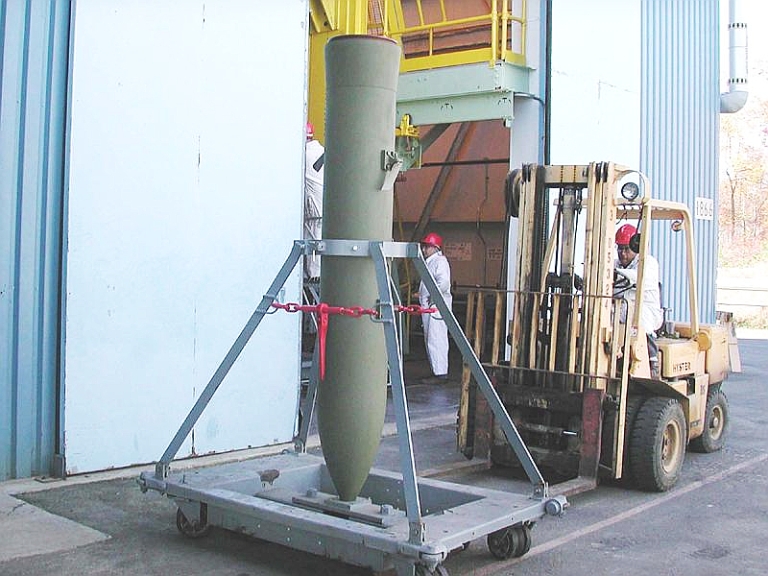 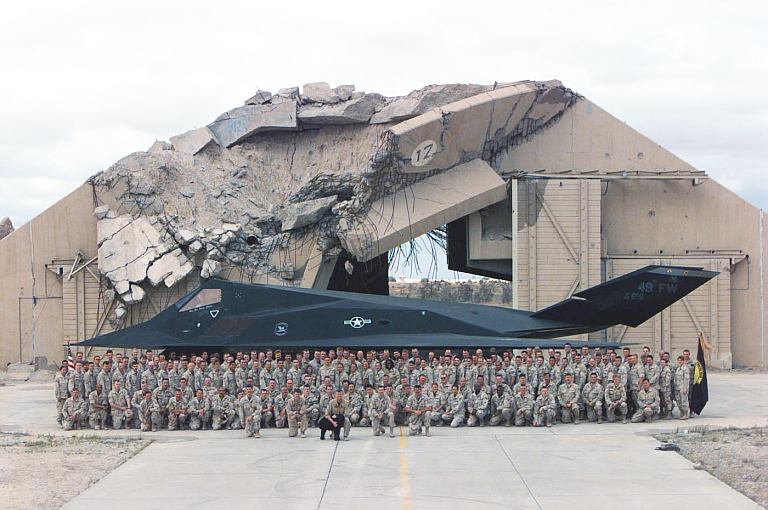 Damage
effects to a hardened shelter at Al Jaber in Kuwait, and the
personnel and aircraft responsible.
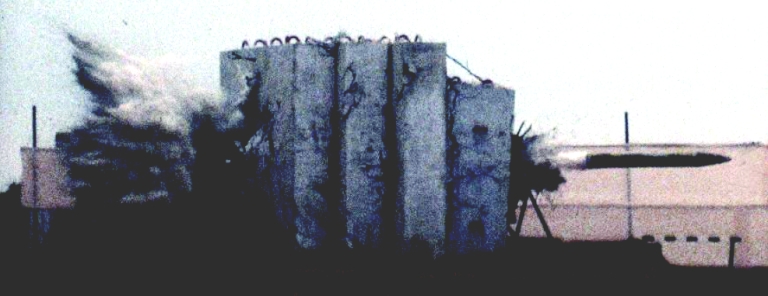
The legacy BLU-113/B warhead is now being replaced with the more lethal BLU-122/B, which entered production in 2005/2006. The BLU-122/B has a new nosecose, new explosive filler, different internal casing geometry, and was tested against 18 ft thick reinforced 5000 psi (34.5 MPa) rated concrete. 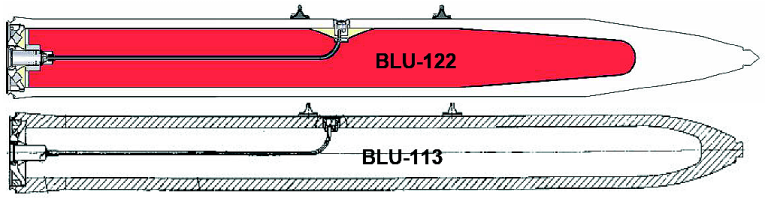 The
BLU-122/B (above) replaces the BLU-113/B.Sled test of the BLU-122/B
(below).
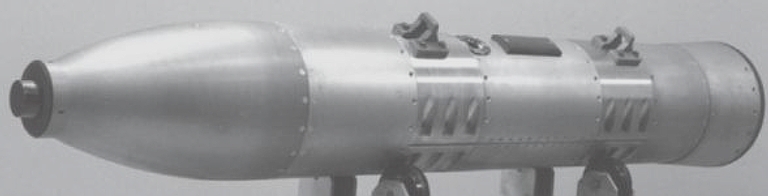
 The replacement for the legacy BLU-109/B is the new 1,922.8 lb BLU-116/B Advanced Unitary Penetrator (AUP), designed to double the penetration capability of the BLU-109/B. The much thicker 2.26 inch BLU-116/B casing uses high toughness Air Force 1410 nickel-cobalt steel alloy, and a much smaller 10.7 inch diameter than the 14.6 inch BLU-109/B, as well as a new optimised nose shape. An external lightweight aluminum aerodynamic shroud is used to shape the exterior and balance of the round to that of the BLU-109/B, so as to make it compatible with existing bomb kits. The smaller enclosed volume results in only 240 lb of PBXN filler. The BLU-116/B is claimed to penetrate either 8-12 ft of reinforced concrete or 100 ft of soil. 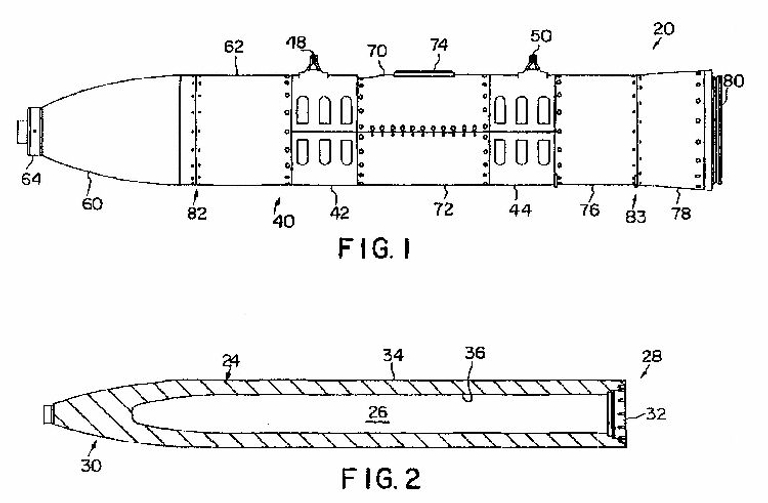 The
subcalibre BLU-116/B (above) replaces the BLU-109/B.The sheetmetal
external shroud provides compatibility with GBU kits designed for the
BLU-109 series.
 The 1990s saw extensive use of cruise missiles to perform punitive raids, and this in turn led to the demand for a penetrating warhead suitable for a range of stand-off weapons. The WDU-42/B or J-1000 warhead, in the 1,000 lb class with a 240 lb AFX-757 filler, was developed for the AGM-154 JSOW and the AGM-158 JASSM. The AGM-86D/E Block I/III CALCM is equipped with the Lockheed-Martin designed 1,200 lb AUP-3M (Advanced Unitary Penetrator) claimed to be capable of penetrating 12 ft of reinforced concrete, this warhead being derived from the BLU-116/B. The latest Raytheon RGM-109H Block IV Tactical Tomahawk Penetrator Version (TTPV) is fitted with an ARC manufactured 1,000 lb WDU-34/B penetrator warhead. 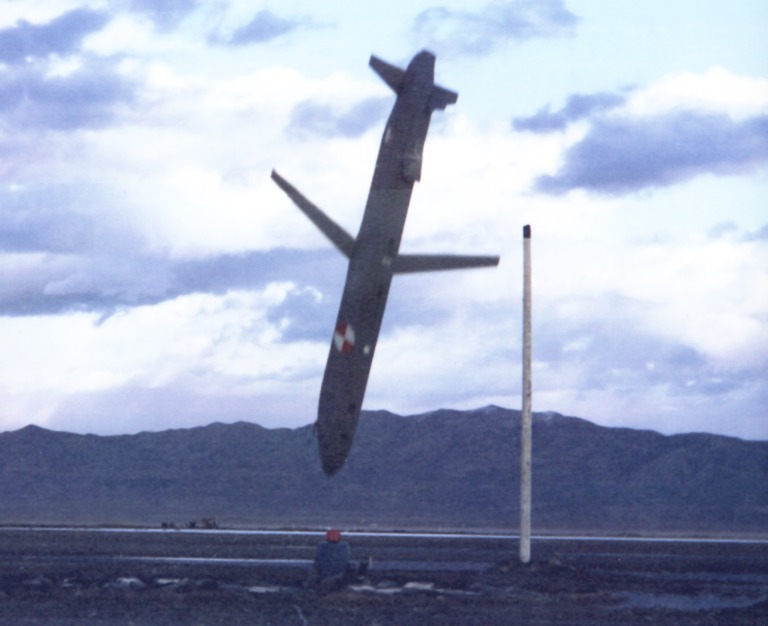 The most recent penetrating warhead to be introduced operationally is the TAM Garland manufactured 208 lb design in the new GBU-39/B Small Diameter Bomb, sized so that 8 rounds fit into the weapon bay of the F-22A Raptor (it is worth noting that an F-111G could be fitted with up to 40 SDBs). With 50 lb of a new high energy explosive filler, this weapon is designed to provide the lethality, against many targets types, of the legacy Mk.84 and BLU-109/B. Designed with a long and small diameter casing, the bomb is geometrically much closer in shape and form to a traditional armour piercing discarding sabot subcalibre tank gun round. As a result it is claimed to match the penetration capability of a BLU-109/B ie around 6 ft of reinforced concrete. A unique feature of the SDB is its Optimal Guidance, which is designed to align the bomb body exactly with the weapon's velocity vector at the point of impact, as this maximises penetration of the target. All of the bomb's kinetic energy is used to drive the weapon in - older guidance systems did not achieve this and velocity components tangential to the impact would at best waste energy, at worst contribute to premature casing rupture. It is interesting that the literature on armour piercing discarding sabot subcalibre tank ammunition design stresses that projectile length and density are the greatest determinants of its ability to punch through armour. This is termed area density (ie warhead weight / cross-sectional area), the higher the better from an attacker's perspective. 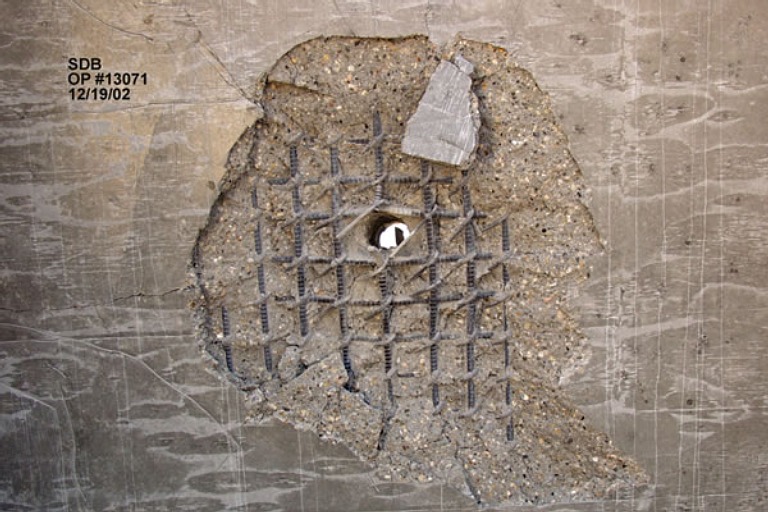 Reinforced
Concrete penetration by GBU-39/B SDB (US DoD).
Table
1. US and Russian Penetrator Warheads.
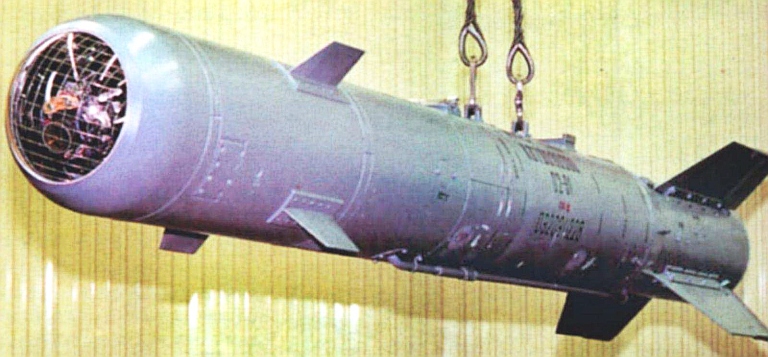
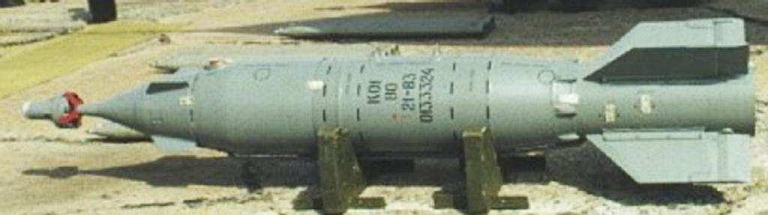
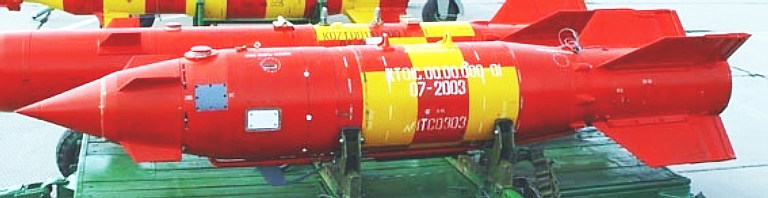
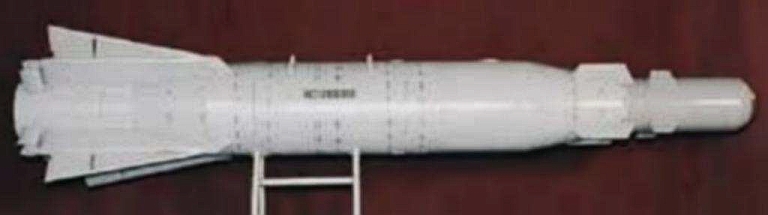
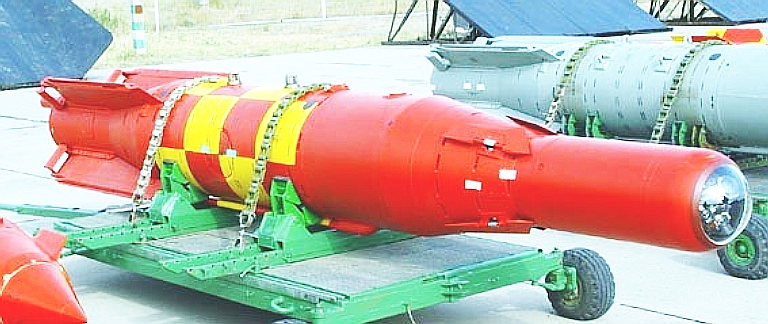
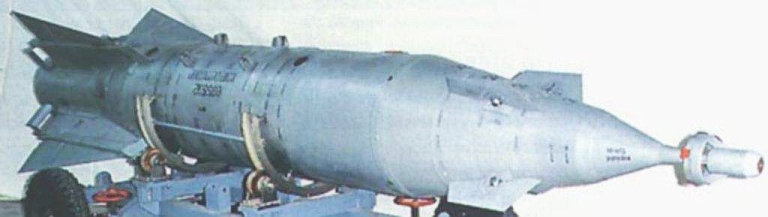
While the US has dominated the design of penetrating bombs in recent years, others have also contributed technology. The UK developed the two stage BROACH warhead, which uses a precursor shaped charge to bore a hole through the outer layers of the hardened structure, into which the penetrator proper then enters, milliseconds later. The Russians have disclosed the existence of a subcalibre penetrating warhead for the large KAB-1500 series guided bombs, available with semi-active laser homing, electro-optical correlator or datalink, and GPS/Glonass inertial guidance kits. The smaller KAB-500 series is, with the exception of the fuel air explosive armed KAB-500Kr-OD variant, always equipped with a blast penetration warhead, but it is not specifically built as a deep penetrating bunker buster like the KAB-1500L-Pr warhead. The longer term outlook is that the US will continue to refine its current inventory of penetrator warheads, as these largely span the full range of US PGMs. The Russians are likely to develop further warheads, to fill the niches currently not covered by the existing KAB-500 and KAB-1500X-Pr penetrators. There will inevitably be demand as major Rosoboronexport clients appreciate the extent to which their opponents have hidden under concrete, and US manufacturers have shown that such warheads can be designed and mass produced. Russian industry has excellent metallurgical and metal fabrication skills and there is no reason to believe that they could not design and build an 'AUP-ski' or 'BLU-122-ski' if so tasked.
KAB-500Kr
Electro-Optically Guided Bomb
KAB-500L
Laser
Guided Bomb
KAB-1500Kr
Electro-Optically Guided Bomb, live round (upper), training round
(lower).
KAB-1500L Laser Guided Bomb 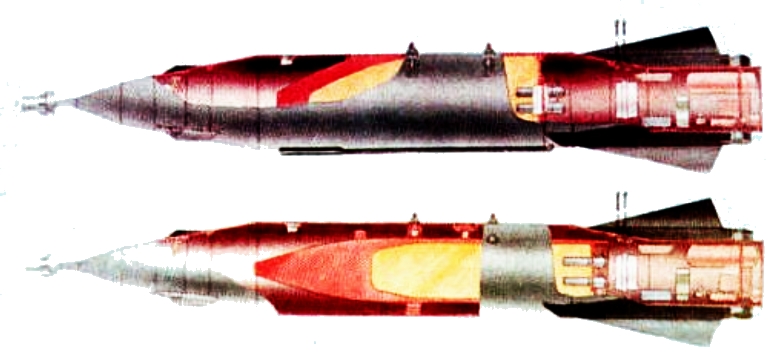 KAB-1500L-F with blast fragmentation warhead (upper) and KAB-1500L-Pr with penetrator warhead (lower). Top to bottom, the KAB-500Kr, KAB-500L, KAB-500S, KAB-1500TK/Kr, KAB-1500L. The KAB-500 and KAB-1500 family of guided bombs are direct equivalents to the US Paveway II/III and GBU-15 family of weapons, and have been cleared on the Su-30MK and some Su-27SK variants (Rosoboronexport). Hardened Shelters vs PGMsWhile the BLU-109/B and BLU-113/B were widely regarded to be a stunning success in 1991, accounting for hundreds of targets including well hardened HAS, the reality is that many of these targets required multiple hits to penetrate. An attack would see a pair of GBU-24 or GBU-27 pickled with a fixed delay, so that the second round would fly into the hole produced by the first round. Effectively the first round acted as a precursor to expose the inner layers of the shelter carapace, so that the second round could punch through. The penetration performance of any such warhead depends not only on the warhead design features and impact velocity/angle, but also on the strength and thickness of the reinforced concrete or other materials used in the construction of the bunker or shelter. The design of high strength and hardness concrete materials is a science, and not a trivial one either. The concrete composition has a critical impact on its properties, and high strength concretes frequently include additives such as blast furnace slag, fly ash, and sometimes aggregates including very hard materials such as quartz. Tensile strength can be further improved by adding metal wire or whiskers into the mix, graphite fibres or glass fibres. The thickness and type of steel used for the reinforcement mesh will also influence the strength of the material. For comparison typical concrete strengths used in US evaluations of penetrating warheads are 5,000 psi (~35 MPa) and 10,000 psi (~70 MPa), yet many commercial high strength construction concretes provide 13,000 psi (~90 MPa) to 18,000 psi (~124 MPa). Penetrators impacting on concrete typically cause catastrophic delamination and separation of the concrete from the reinforcement mesh, allowing the projectile to punch its way through. For a reinforced concrete to provide high resistance to a penetrating projectile, it must be tough in the sense that it does not disintegrate or fracture when the shockwave produced by the projectile propagates through the material. A century ago long range firepower was delivered by large calibre guns, the biggest typically being in the 11 inch to 16 inch category. These were typically rail mobile or casemated artillery pieces, guns on large warships and coastal defence gun batteries. Such weapons remained as the primary armament of battleships / battlecruisers and a range of fortifications until the late 1940s. What is of interest is that the projectiles fired by these weapons were 1,800 to 2,800 lb in weight, made of high quality hardened steels, and usually cylindrically shaped with an ogival nosecone. In other words, they were not much different in terminal velocity (~500 m/s), shape, size and weight to contemporary large air delivered penetration. Refer Table 2.
Table
2. Comparison of BLU-109/B vs 1930s US and Japanese Battleship Gun
Projectiles.
What is of no less interest is that considerable effort was invested into the design not only of armour plating for warships, but also armoured concrete structures for casemats, forts and other bunkers associated with defensive gun batteries. Good case studies of the latter include the well known French Maginot Line of fortresses, with multiple metres of concrete often capped with steel [1]. What this shows is that designers of bunkers and HAS have a larger repertoire of technologies available to them than might be immediately apparent. For instance cast iron or steel slabs of suitable thickness placed over a reinforced concrete structure would likely frustrate all but the most capable penetration warheads. No differently, advanced concretes can drive up the required mass of a penetrator to the extent that many basic 1,000 lb class weapons would be ineffective. Understandably, no matter how good a HAS or bunker might be, a penetrating projectile can be built to defeat it. From a strategy perspective what matters is the effort required to defeat such a shelter or bunker. A smart strategic planner will identify which delivery systems are cheaper vs which are more expensive, and harden to defeat all but the most expensive means. In turn this renders most of an opponent's means ineffective, forcing the use of expensive and scarce assets. Let us consider a scenario where a defender wishes to frustrate the US. The strategically cheapest delivery system the US has is the cruise missile, which permits punitive raids without the exposure of combat aircraft. Cruise missiles are typically limited to a 1,200 lb class penetrator, so hardening to defeat the new AUP-3M series and J-1000 would render these weapons ineffective, forcing the use of a B-2A armed with a BLU-122/B, or forcing a major aerial spat to allow the F-15E to penetrate carrying the same weapon. The overall cost to the attacker is thus driven up considerably. Making the structures resistant to larger weapons in turn makes an attack even more expensive in resources. If a cruise missile penetrating warhead must have a 2,000+ lb mass to produce effect, the generic 3,000 lb class cruise missile must be replaced by a 6,000 lb class cruise missile, in turn constraining delivery systems and again driving up costs. A key consideration now for Pacrim strategic planners is that the Russians are exporting the KAB-500/1500 series, and thus this category of penetrator could be used at any time. Moreover, cruise missiles have become a very popular weapon in the Pacrim, and thus an available delivery system for an 800 to 1,200 lb class penetrator warhead is becoming widely available. Indeed it would be naive to assume that an "AUP-3M-ski" in this class will not appear over the next decade. 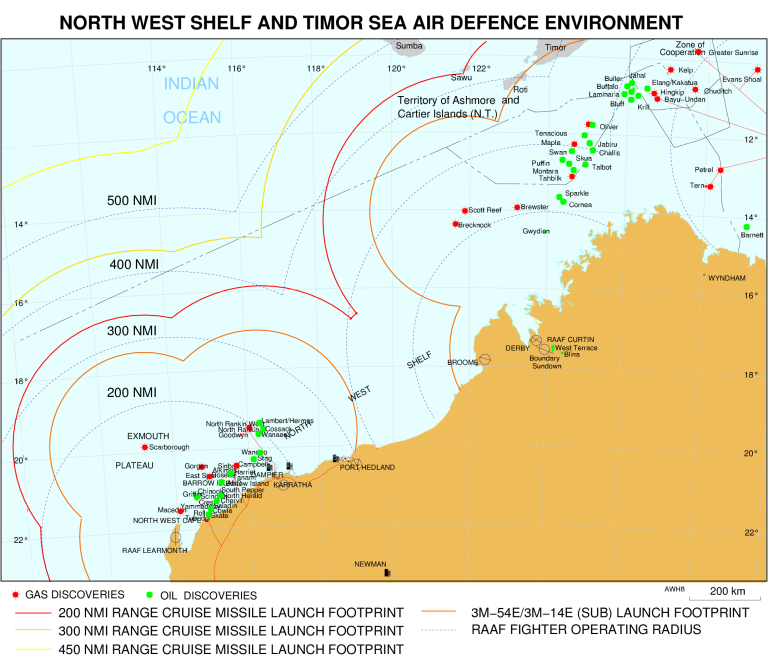 Given current propulsion technology, cruise missiles with standoff ranges in the 200 NMI to 700 NMI class will be limited to warheads in the 800 to 1,200 lb class. A larger and deeper penetrating concrete piercing warhead at given missile launch weights results in a shorter ranging missile which in turn increases the exposure of the delivery system, and thus risk to an attacker. A good case study would be a 2,000 lb class penetrator fitted to a Kh-22 Kitchen, Kh-41 Moskit/Sunburn, 3M54E Club/Sizzler or Kh-61 Yakhont/Brahmos class supersonic cruise missile - an attractive class of delivery system due to the high terminal velocity of the vehicle - such a weapon would be limited to a range of around 250 NMI [2]. 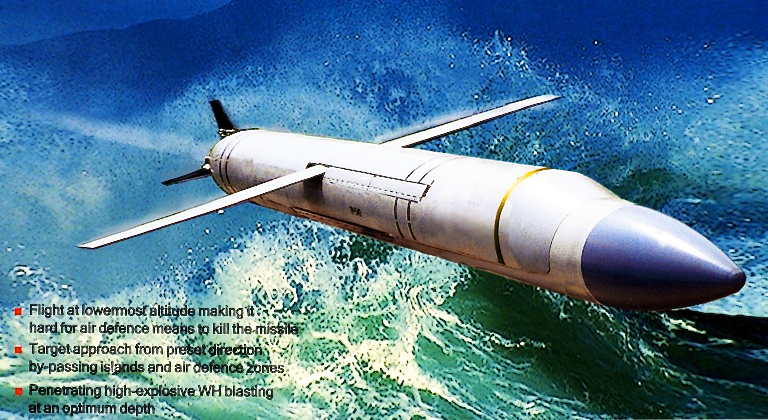 Supersonic ASCMs present as attractive delivery vehicles for subcalibre concrete piercing warheads, as the Mach 2+ terminal velocity at impact increases kinetic energy 7.5 to 11 fold compared to a conventional "Tomahawk-like" subsonic cruise missile. Upper depicts the Novator 3M54E Sizzler, which launches a Mach 2.7 rocket propelled guided warhead section, lower depicts a notional adaptation of the Mach 2.2 3M81 / Kh-41 Sunburn. Both missiles have been marketed across the region, and both will be available in air launch and naval variants. 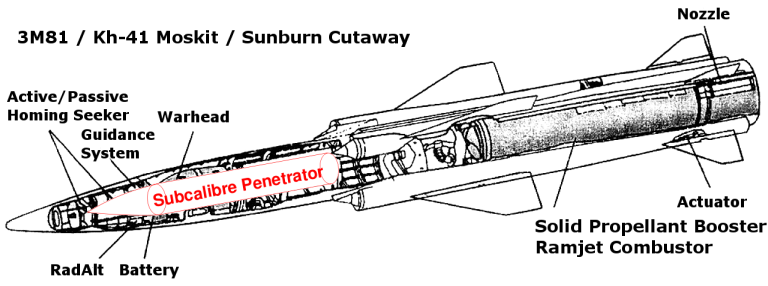 Any current hardening measures applied to structures such as bunkers, HAS, underground fuel storage, munitions storage etc should be designed, at a minimum, to defeat a 1,000 lb class penetrating munition in the class of the AGM-86D AUP-3M, this warhead being a reasonable benchmark for regional standoff delivery capabilities over the coming decade. The best case delivery vehicle would be a KAB-1500 or subsonic cruise missile such as a 3M14E Sizzler, Kh-55SM Kent or YJ-62, the worst case a supersonic cruise missile such as the Kh-41 Sunburn, 3M54E Sizzler or Kh-61 Yakhont. Hardened Shelters vs Electromagnetic WeaponsThe emergence of electromagnetic weapons such as non-nuclear low frequency EMP bombs, and microwave bombs, the latter exploiting now rapidly evolving High Power Microwave (HPM) source technology, presents a very serious risk to modern high technology weapon systems. During the Cold War key items of nuclear warfighting technology and infrastructure were well hardened against nuclear EMP attacks. Since then two trends have progressively changed the operational environment:
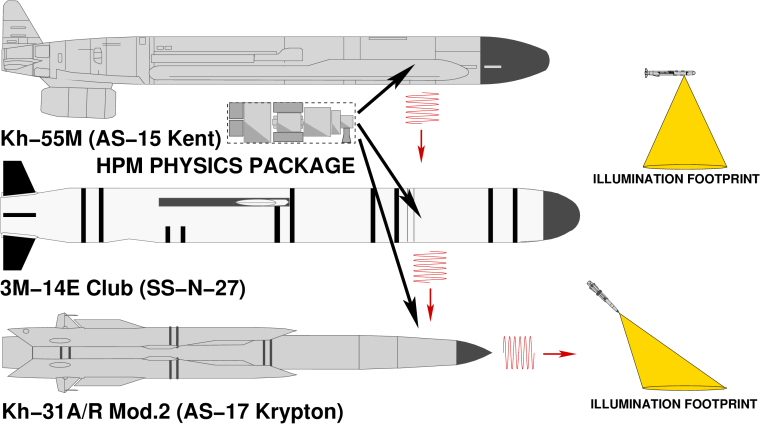 A
wide range of available munitions could be readily adapted for HPM
payloads (Author).
The simplest approach to hardening against EMP and HPM threats is to enclose the vulnerable equipment in a Faraday cage, which shields it from exposure. The 'traditional' technique for constructing these would involve cladding the internal walls, or embedding within the walls, of a structure an electrically conductive mesh using for instance copper wire. Needless to say for a structure the size of a larger HAS, this can become quite expensive to implement. Technology has however progressed since the Cold War period, and a range of electroconductive concrete products are now available in the market. These materials when applied in suitable thickness have been employed not only for electromagnetic shielding, but also for electrical heating - the whole conductive volume of the concrete becomes a resistive heating element. The practical consequence of this is that converting a HAS into a Faraday cage becomes much cheaper. While it will still be necessary to invest in suitable seals for the main doors and other access points, the large expense of producing a durable shielding surface inside the enclosure will be significantly reduced. Moreover, as the shielding is bulk material, it will be feasible to effect much better electromagnetic shielding, across a wider range of wavelength, compared to mesh technology. In effect the structure of the shelter becomes an integral Faraday cage [3]. While EMP and HPM payloads represent the primary risk to airfields and parked aircraft, the increasing power levels produced by recent multimode X-band radars in combat aircraft will present a risk all of its own. With feasible damage effects at hundreds of metres of distance, a combat aircraft flying a low altitude pass over an airfield could use its radar to inflict electrical damage. The recently revealed Tikhomirov NIIP Irbis E radar qualifies in this category [4]. Other Threat ConsiderationsWhile PGMs with penetrating and electromagnetic payloads represent the primary threat against aircraft on the ground, other threats do exist and have presented risks in the past. Special Forces units penetrating airfield perimeters have been used to inflict damage. Perhaps the best example are British SAS operations against the Argentinians in 1982, and the aborted Mikado raid, and subsequently aborted submarine insertion. These present good examples of the use of SF to cripple an adversary's assets. It is well documented that the Soviet Spetznaz were tasked with a similar role to hobble NATO's air power in the event of a NATO-Warpac conflagration. The VC and NVA mounted several successful raids during the Vietnam conflict [5]. The most common approach currently followed to dealing with the problem of ground assaults and raids against air bases is the deployment of air field defence ground troops, if necessary supplemented by infantry and armed base personnel. The difficulty this approach presents is that an often very large footprint must be defended, moreso if the attacker has mortars, wire or command link guided rockets, RPGs, large calibre sniper rifles, or other "standoff" anti-materiel weapons. Placing aircraft into hardened shelters minimises exposure to times when the aircraft are taxiing, which makes them much harder to hit. Also, hardening fuel and munitions storage frustrates this regime of attack. With the ongoing Global War On Terror another risk which arises is that of terrorists attacking basing to produce propaganda effect - nothing captures public attention better than TV footage of burning aircraft on aprons. It inevitably follows that hardening measures cover a much wider range of threats than PGMs. 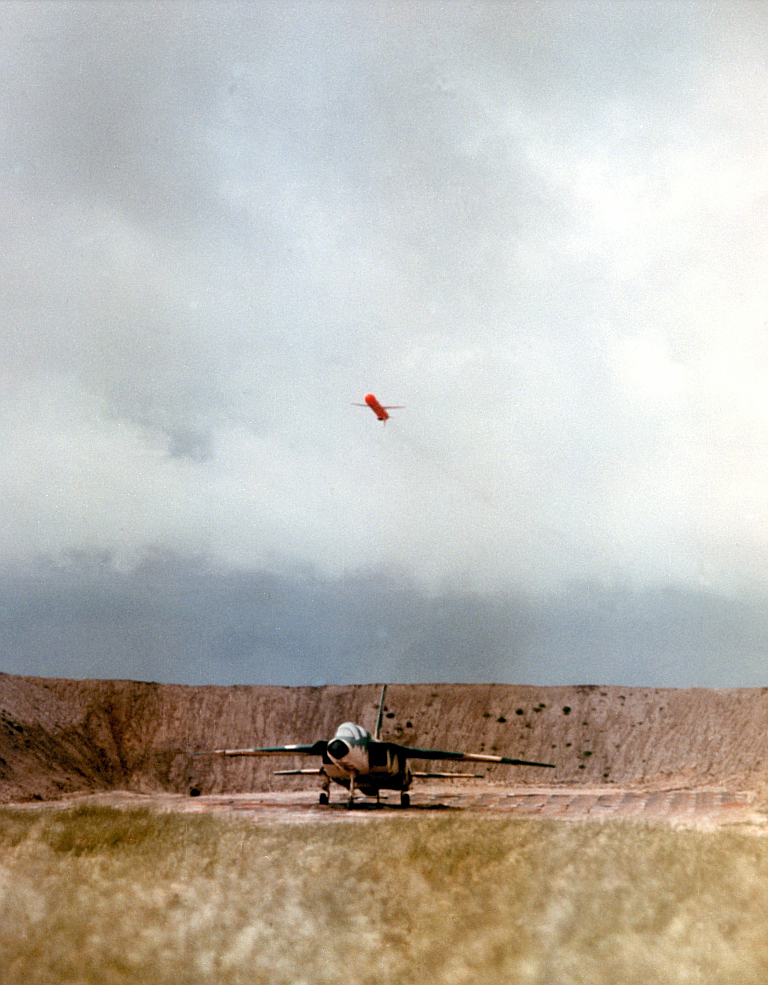 The advent of cruise missile technology, air and submarine launched, across the region changes the strategic calculus. Pre-emptive attacks against exposed airfields become viable and potentially very effective. The images depict trials of the RGM-109C Tomahawk against a revetted RA-5C Vigilante (US Navy). 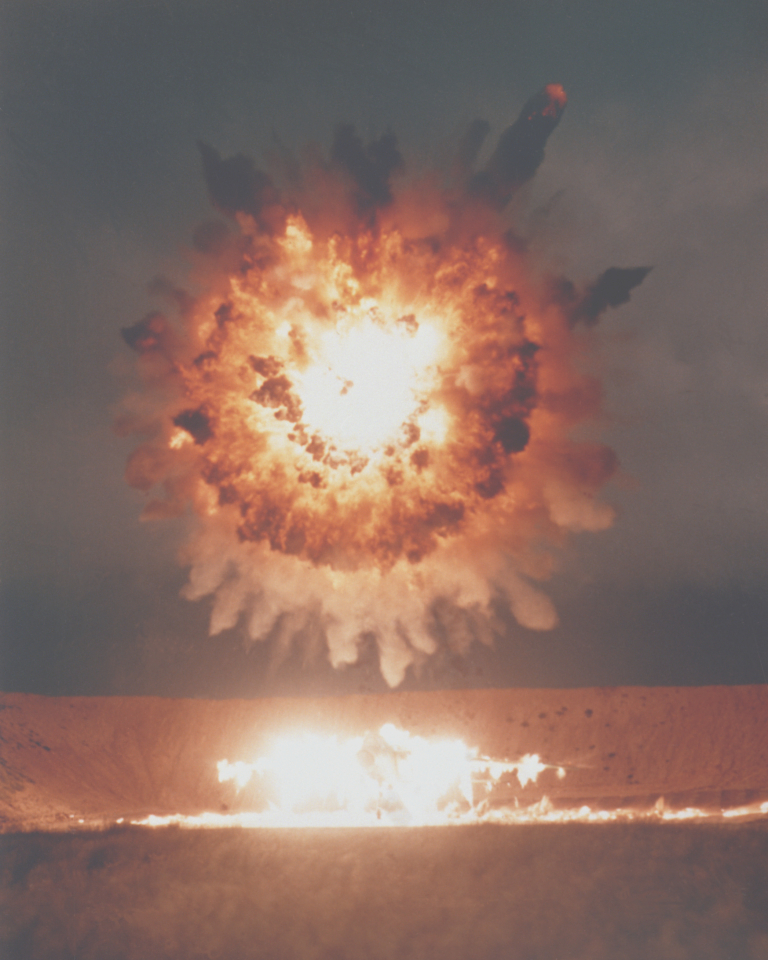 Hardening RAAF BasesThe very limited hardening and passive defensive measures applied to RAAF bases in the north are a product of the regional capability environment of more than a decade ago, when PGMs were scarce or absent in regional inventories, and standoff or cruise missiles operated only by the US and Soviets. The region is now a very different place, and the RAAF's northern basing can be considered, for all intents and purposes, naked if subjected to a pre-emptive attack using cruise missiles or other PGMs. In strategic terms, given the small size of the RAAF combat fleet, attrition in combat is not an option to be seriously considered. Hardening the basing infrastructure with lots of concrete is much cheaper than replacing billions of dollars of slow to replace hardware. In terms of priorities, RAAF Tindal, Darwin and Learmonth are the highest priorities, as they are in the strategically most important locations, and have the best runways making them more useful in a contingency than the gapfiller bases at Curtin and Scherger. With advent of cruise missile capabilities across the Asia-Pacific-Indian region, early interception becomes a key priority, and this drives up the strategic importance of the Cocos Islands runway, and the Christmas Island runway, primarily as diversion sites, but also as additional Forward Operating Bases (FOB). Over the next decade Australia will thus have to properly develop and harden its northern airbase infrastructure if it intends to use these sites in a real contingency. Hardening of Australia's northern bases involves a number of specific measures:
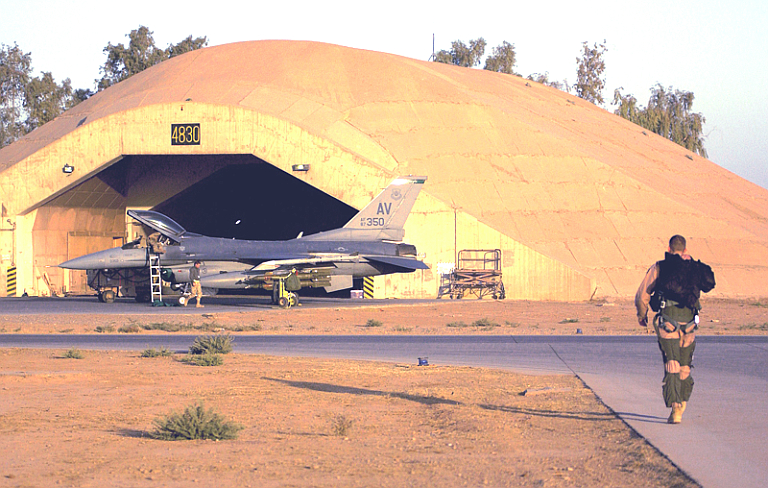 HAS
at Balad AB in Iraq (US DoD).
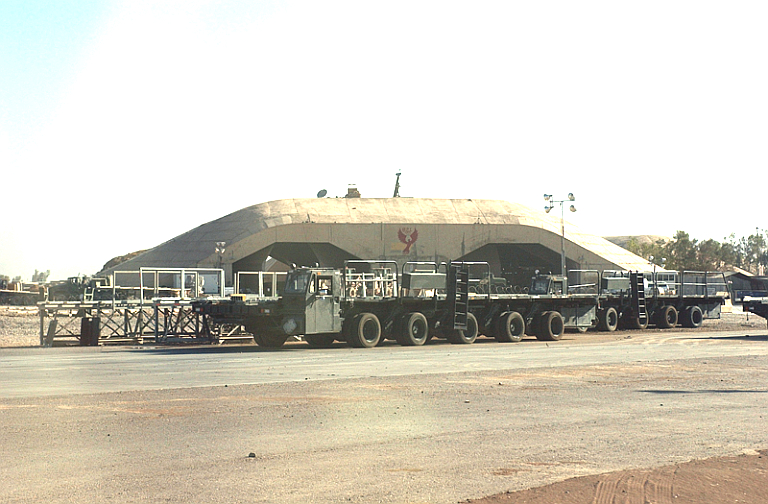 ConclusionsThe advent of PGM technology in the region has rendered extant RAAF air base hardening measures ineffective, opening up the strategic option of a pre-emptive attack, especially using submarine or air launched cruise missiles, against forward deployed RAAF assets at northern bases. It follows that Australia should invest in a robust program to harden all RAAF basing in the north, and apply like hardening measures in the development of the Cocos Islands and Christmas Island. Australian Industry and Research Organisations (e.g. CSIRO, Universities) are at the leading edge of construction technologies globally, and Australian research and industry innovations are held in very high regard internationally. It follows that Australian industry and researchers can make valuable contributions to the development of new air base hardening capabilities, which in turn could directly benefit coalition partners and other allies of Australia. |
|||||||||||||||||||||||||||||||||||||||||||||||||||||||||||||||||||||||||||||||||
Reading:
|
|||||||||||||||||||||||||||||||||||||||||||||||||||||||||||||||||||||||||||||||||
Imagery
Sources: Author; Rosoboronexport; Russkaya Sila; Ugolok
Neba; MilitaryPhotos.net; Military.cz
Endnotes:[1]
No less interesting was the development of guns and projectiles to
demolish such fortifications, the best example being the 1,329 ton
Krupp AG 80 cm (31.5 inch) calibre Gustav/Dora railway gun, which fired
a standard round of 4800 kg (10,600 lb) and a concrete penetrating
round of 7000 kg (15,500 lb), the latter heavier than the RAF Tallboy
bomb. This gun was developed specifically to defeat the Maginot Line
concrete and steel bunkers.
[2] Intermediate Range Ballistic Missiles in the 800 to 1,800 NMI range class are also popular in Asia now, and again present an attractive delivery system for an 800 lb to 2,000 lb class penetrating warhead, due to the accuracy afforded by GPS/Glonass capabilities, and the high terminal velocity of the vehicle. [3] The difficulty with using a mesh for shielding is that the size of the holes in the mesh may be large enough for them to pass microwave radiation in the centimetric and millimetric bands, even if the mesh is 100% effective at greater wavelengths. [4] C Kopp: Considerations on the use of airborne X-band radar as a microwave directed-energy weapon, Journal of Battlefield Technology, vol 10, issue 3, Argos Press Pty Ltd, Australia, pp. 19-25. Refer also "Ирбис" готовиться к прыжку - "Авиасалоны мира", №5, 2006, стр.22-25 (Russian). [5] Refer Vick A, Snakes in the Eagle's Nest: A History of Ground Attacks on Air Bases, RAND Corporation MR553, 1995, URL: http://www.rand.org/pubs/monograph_reports/MR553/. |
|||||||||||||||||||||||||||||||||||||||||||||||||||||||||||||||||||||||||||||||||
Annex A RAAF Northern Air Bases(FLIP/ERSA 2008 @ http://www.airservicesaustralia.com/publications/aip.asp?pg=10)
[Click on base name for
satellite image ....]
|
|||||||||||||||||||||||||||||||||||||||||||||||||||||||||||||||||||||||||||||||||
|
(US DoD/US Air Force) US Air Force 'Tab Vee' Shelters 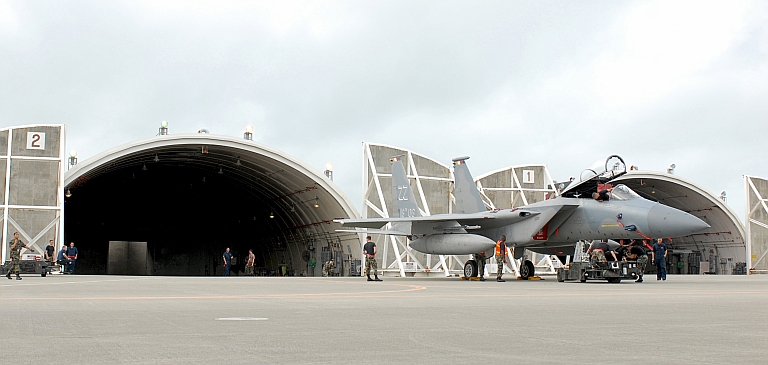 Kadena AFB, Okinawa. 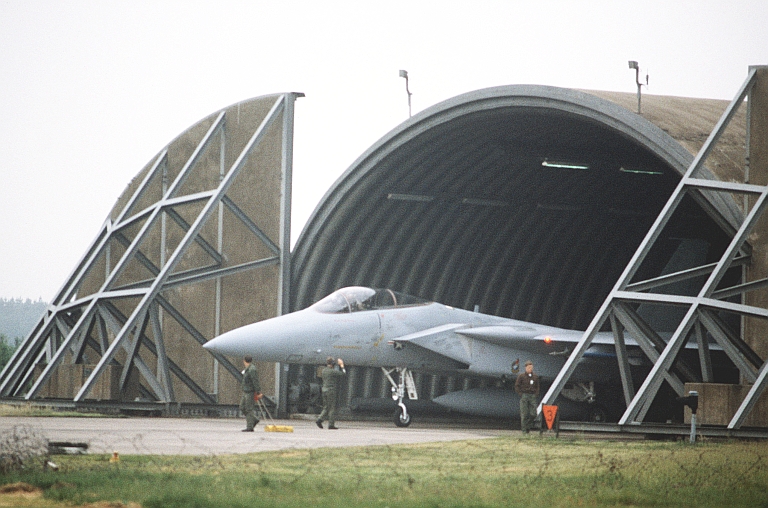 Tab Vee at a NATO site. 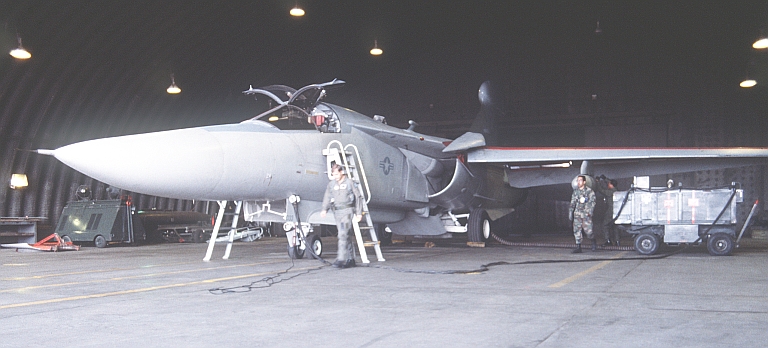 EF-111A Raven at a NATO site in 1991. 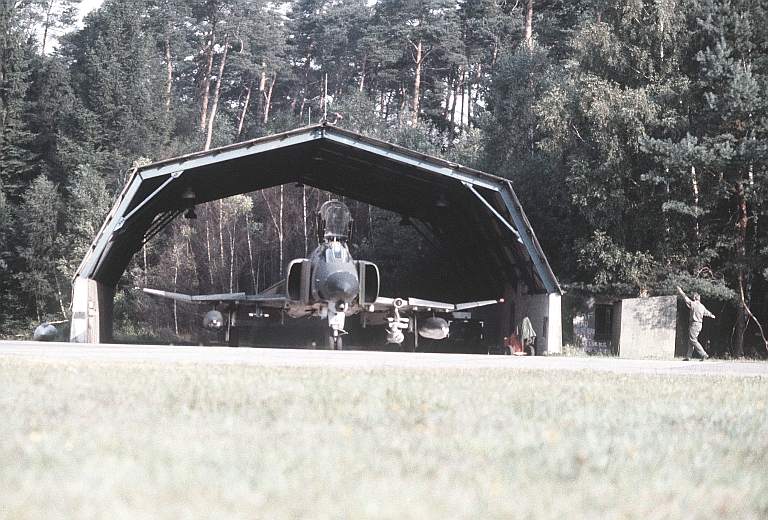 F-4E Phantom at Ramstein, Germany, 1980. 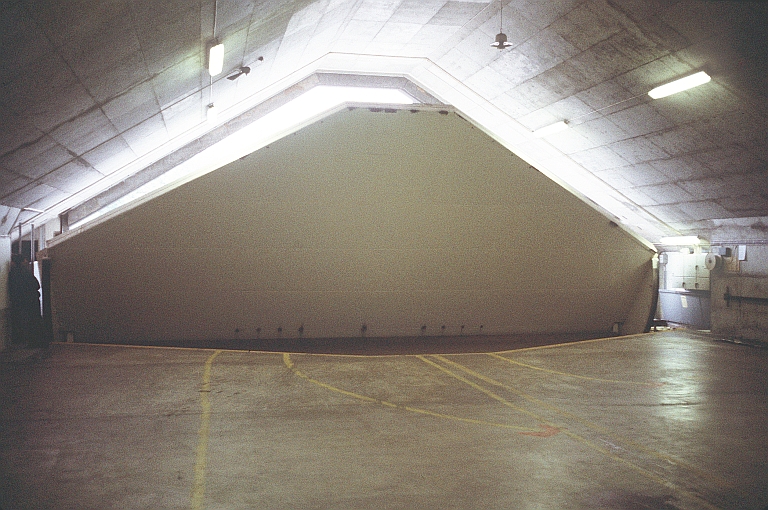 Unspecified location 1983 image. 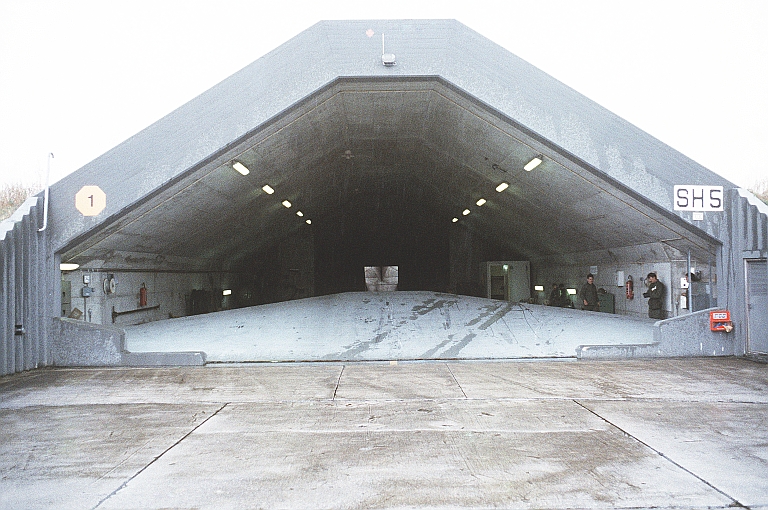 |
|||||||||||||||||||||||||||||||||||||||||||||||||||||||||||||||||||||||||||||||||
| Shelter Attack by BGM-109C Tomahawk Block II (Weapon trials in 1988) 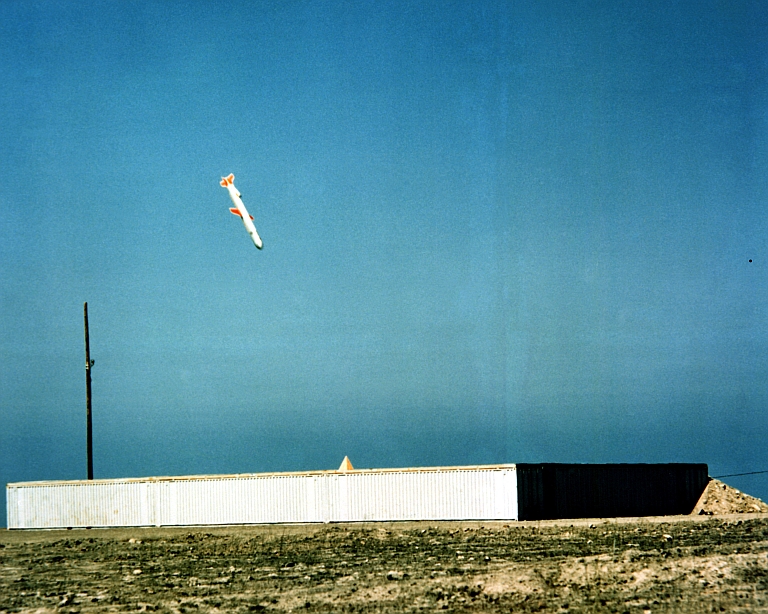 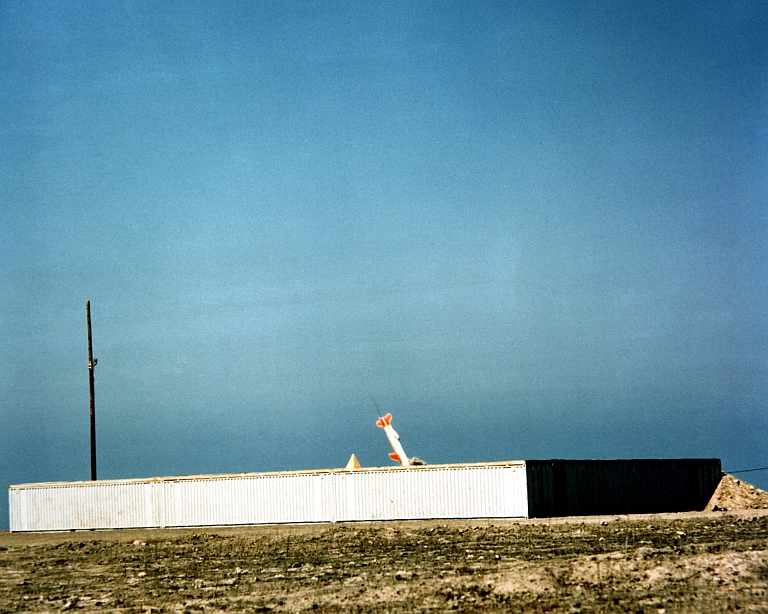 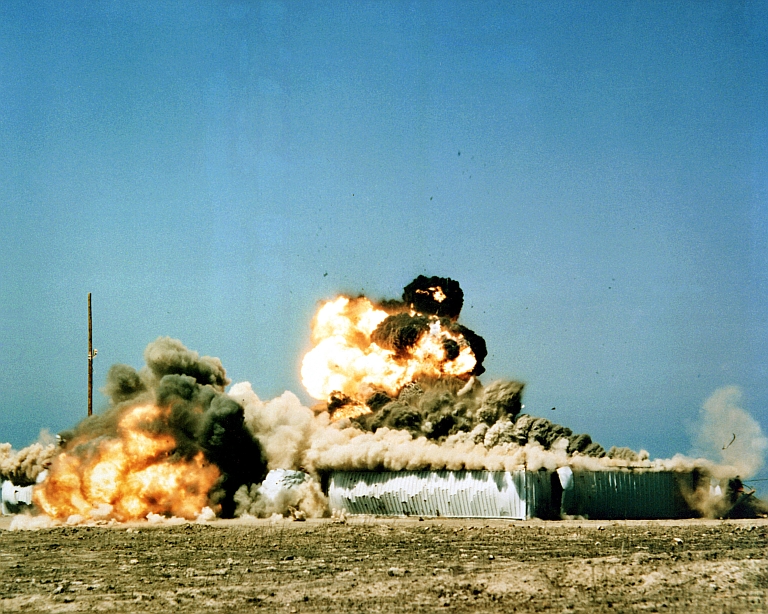 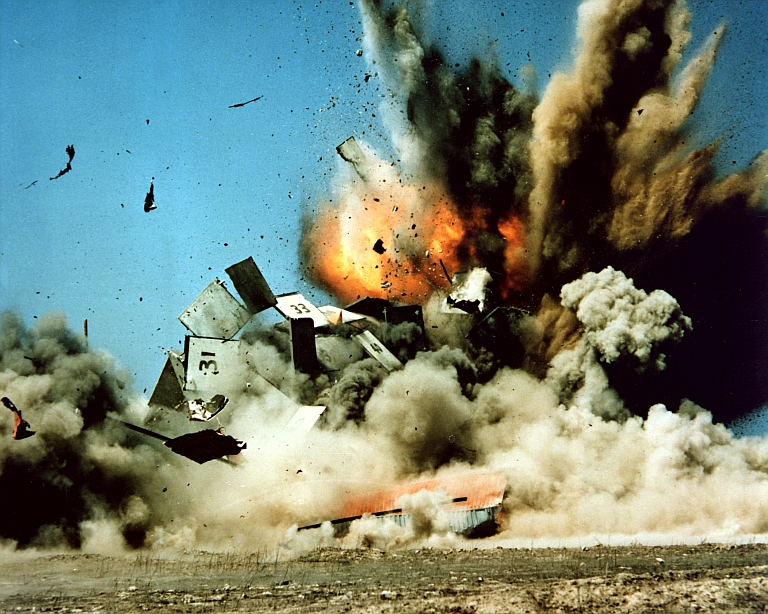 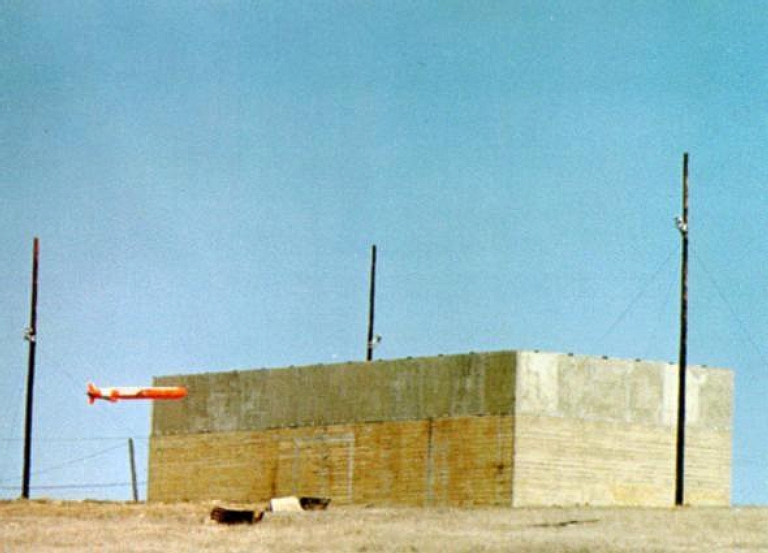 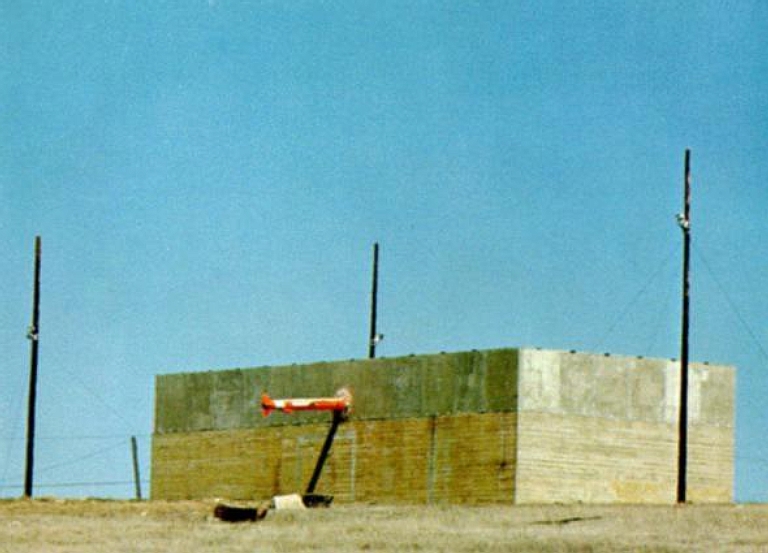 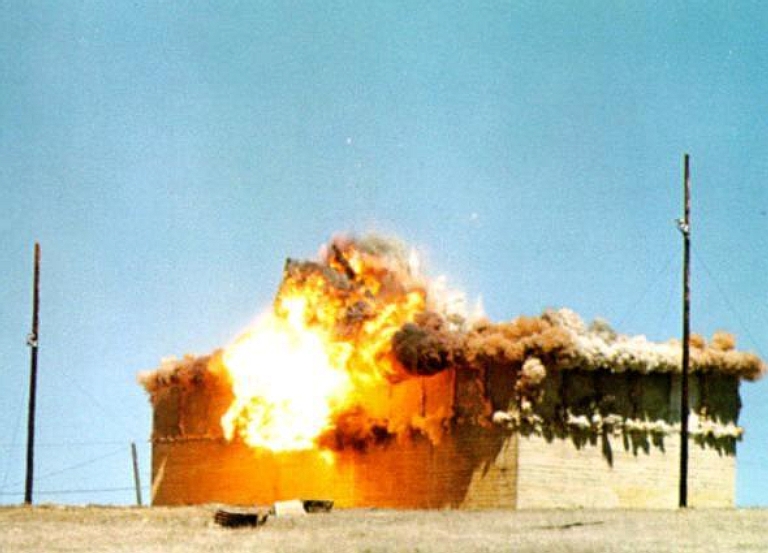 |
|||||||||||||||||||||||||||||||||||||||||||||||||||||||||||||||||||||||||||||||||
|
Desert Storm Bomb Damage Assessment
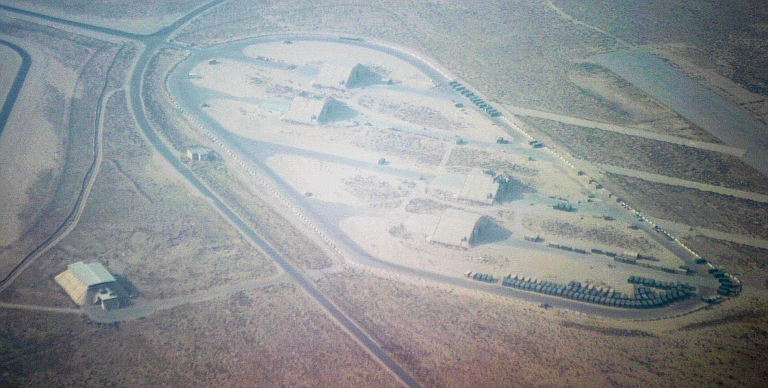 Al
Jaber, Kuwait.
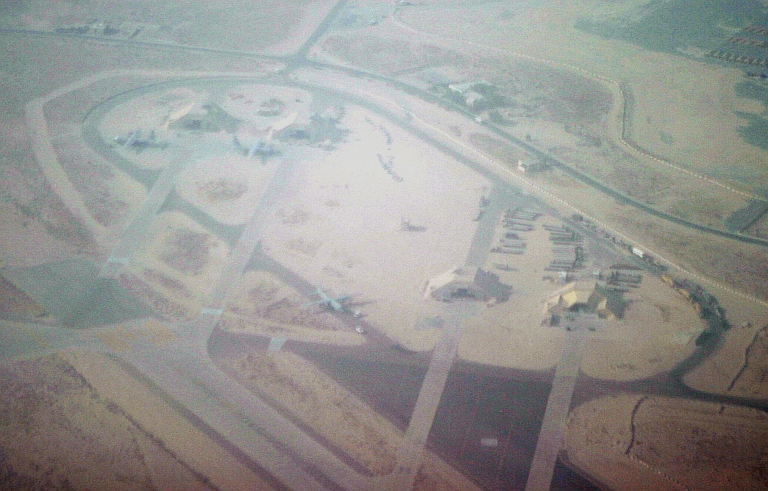  Al
Salem AB, Iraq.
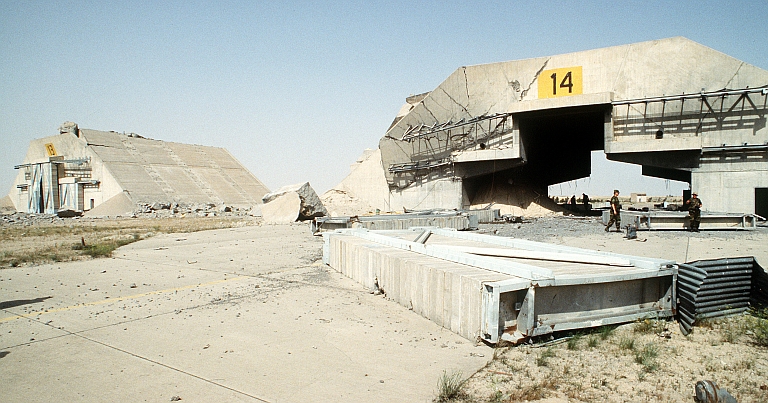 Al Salem AB, Iraq. 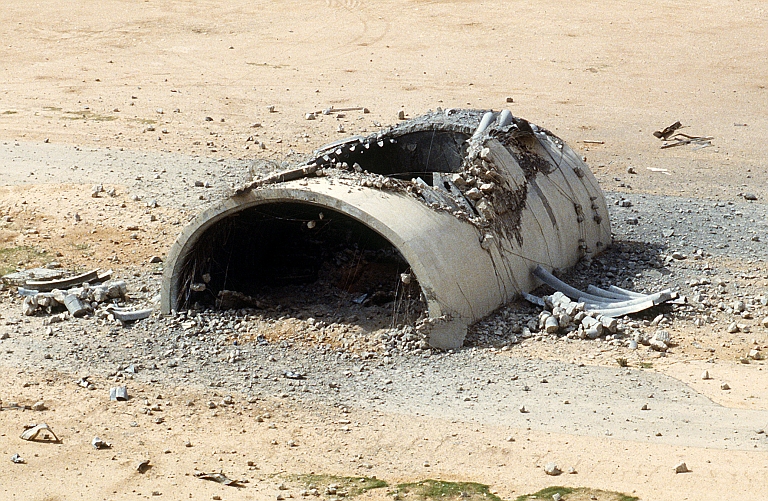 Al Salman AB, Iraq. 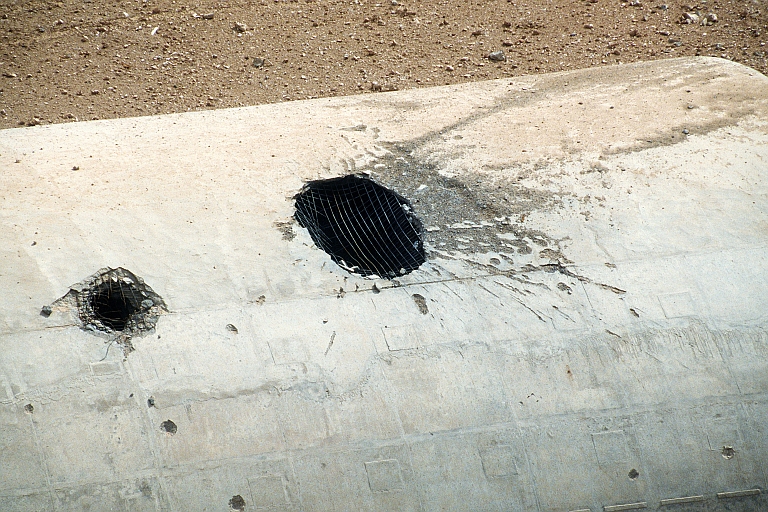 Al Salman AB, Iraq. 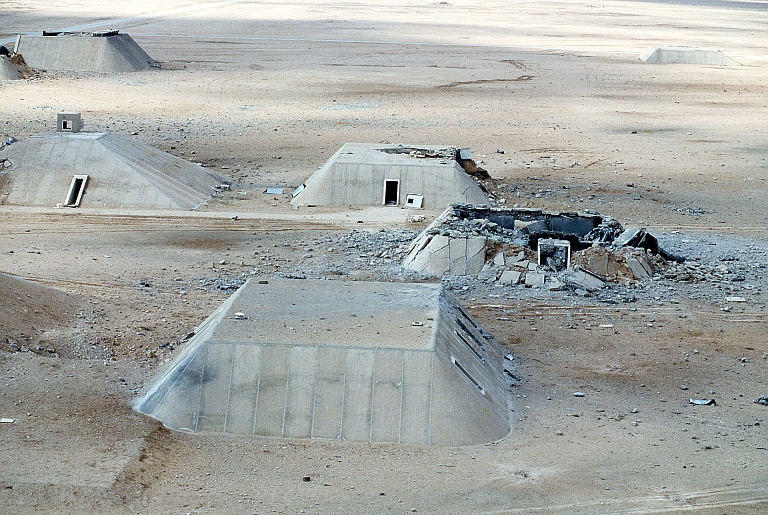 Al
Salman AB, Iraq.
|
|||||||||||||||||||||||||||||||||||||||||||||||||||||||||||||||||||||||||||||||||
|
Air Power Australia Analyses ISSN 1832-2433  |
|||||||||||||||||||||||||||||||||||||||||||||||||||||||||||||||||||||||||||||||||
|
|||||||||||||
|
|
|
|
|
|
|
|
|
|
|
|||
|
|
|
|
|
|
|
|
|
|
|
|||
| |
 |
|
|||||||||||
| Artwork, graphic design, layout and text © 2004 - 2014 Carlo Kopp; Text © 2004 - 2014 Peter Goon; All rights reserved. Recommended browsers. Contact webmaster. Site navigation hints. Current hot topics. | |||||||||||||
|
Site Update
Status:
$Revision: 1.753 $
Site History: Notices
and
Updates / NLA Pandora Archive
|
|||||||||||||
|
|
Tweet | Follow @APA_Updates | |||||||||||
|
|
|||||||||||||
|
|
|||||||||||||