|
||||||||||||||||||||||
 |
||||||||||||||||||||||
![F-22A Raptor, FB-22, F-22E, F-22N and Variants Index Page [Click for more ...]](APA/f-fb-22.png "F-22A Raptor, FB-22, F-22E, F-22N and Variants Index Page [Click for more ...]") |
 |
![People's Liberation Army Air Power Index Page [Click for more ...]](APA/pla-air-pwr.png "People's Liberation Army Air Power Index Page [Click for more ...]") |
 |
 |
 |
 |
 |
 |
![Military Ethics, Culture, Education and Training Index Page [Click for more ...]](APA/ethx-culture.png "Military Ethics, Culture, Education and Training Index Page [Click for more ...]") |
 |
||||||||||||
 |
![Russian / Soviet Weapon Systems Index Page [Click for more ...]](APA/rus-weps.png "Russian / Soviet Weapon Systems Index Page [Click for more ...]") |
 |
 |
 |

|
 |
 |
 |
 |
 |
||||||||||||
 |
 |
 |
||||||||||||||||||||
| Last Updated: Mon Jan 27 11:18:09 UTC 2014 | ||||||||||||||||||||||
|
||||||||||||||||||||||
|
||||||||||||||||||||||
|
||||||||||||||||||||||
|
|
|
|
|
|
|
|
|
|
|
||||||||||||
|
|
|
|
|
|
|
|
|
|
|
||||||||||||
| |
|
|
||||||||||||||||||||
| Last Updated: Mon Jan 27 11:18:09 UTC 2014 | ||||||||||||||||||||||
|
||||||||||||||||||||||
F-35 Joint Strike Fighter Program: Collapse is a “When” Question, not an “If” Question |
||||||||||||||||
|
Air Power
Australia - Australia's Independent Defence Think Tank
|
||||||||||||||||
| Air Power Australia NOTAM 17th August, 2009 |
||||||||||||||||
Dr Carlo Kopp, SMAIAA, MIEEE, PEng, Head of Capability Analysis, Air Power Australia Peter Goon, BEng (Mech), FTE (USNTPS), Head of Test and Evaluation, Air Power Australia |
||||||||||||||||
|
||||||||||||||||
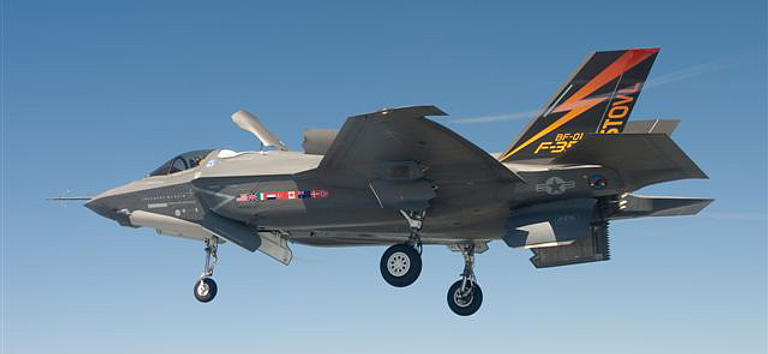 F-35B SDD test vehicle BF-01 (US DoD
image).
|
||||||||||||||||
| The
F-35 Joint Strike Fighter program
has been in serious difficulty for some time, showing all of the
textbook symptoms of a failed project. Like all failed projects
it
will eventually collapse, the question is now simply one of when it
will collapse, rather than if it will collapse. The F-35 has been on political life support for the last four years, with the Office of the Secretary of Defense (OSD) and Pentagon acquisition bureaucrats investing much effort in convincing the White House, Congress and participant Allied nations that the project is an icon of virtue in the current pantheon of failed major acquisitions. While former procurement Czar John Young went as far as to criticise the program’s prior management history, he was not prepared to admit the obvious, which is that the F-35 Joint Strike Fighter now qualifies in all key respects as what project management professionals term a “non-executable project”[i]. The recommendation in the OSD 2010 budget proposal to accelerate production of the F-35 flies in the face of mountains of publicly available evidence of project failure, and is contrary in every respect to all substantive risk management protocols and standards. The viability of any project is determined by its ability to deliver utility to its users, and its ability to meet cost and delivery schedule targets[ii]. The Joint Strike Fighter Program continues to fall short on each and every one of these cardinal measures and, thus, will fail to deliver even on the most fundamental of requirements. |
||||||||||||||||
|
||||||||||||||||
The utility question is central to any project as it is the “value” component of the “value for money” equation. In a contemporary fighter aircraft “utility” is measured by its survivability against current and future threats, and if the fighter survives, then by how much damage it can do to a credible opponent. When the Joint Strike Fighter was first defined, the design objectives were simple – to develop and deploy a multi-service strike fighter with the capability to interdict an opponent’s battlefield forces, and to provide precision close air support for friendly troops on the battlefield. The aircraft’s basic definition, and all of the Key Performance Parameters (KPPs) were cast into concrete at this stage. Importantly, a battlefield interdictor has fundamentally different capability needs to high end fighters that must be able to penetrate heavily defended airspace, and shoot down opposing high performance fighters. The threat capabilities against which the JSF’s KPPs were devised were 1990s era battlefield threats, with the stated assumption that any higher-level threats would be dealt with by the much more capable F-22 – now labelled by the Administration as “obsolete”. The world today is not what it was over a decade ago, when the key decisions, which shaped today’s F-35, were made in the vacuum created by the “peace dividend” driven deskilling of the 1990s. Advanced long range Surface to Air Missile (SAM) systems and fighters, both much more capable than those envisaged when the F-35 requirement was defined, have been developed, built and proliferated globally. There is little comfort to be had when the JSF community publicly admits that its air combat simulations were based on Russian Sukhoi Flanker fighter variants designed nearly two decades ago, and assumptions about opposing air combat doctrine which ceased to be true over a decade ago. When the JSF community assert that they can defeat current long range SAMs by using AESA radar jamming, it is an admission that the aircraft’s stealth was not good enough in the first place, an inevitability as contemporary SAM system radars are now much more powerful – a situation that is worsening and favouring traditional opponents as well as those who purchase such capabilities. The inability of the F-35 to survive against the advanced threats of today means that it will be unable to survive against the most common threats of tomorrow. If it cannot survive in combat, it cannot do its intended job of attacking enemy ground targets, and its “utility” is at best poor, and at worst, less than zero as it continues to consume resources that would be much better used elsewhere. Recently, the idea has emerged that the F-35 is needed to replace worn out Cold War era fighters – the suggestion implied is that “utility” be measured in terms of replacing old, worn out equipment with new, regardless of combat effect. If the latter were a valid argument, which it is not, then why is the US sinking many tens of billions of dollars into developing a new, risk-laden design when cheaper existing Cold War era designs remain in production? The view in some circles is that the sole utility of the F-35 lies in protecting the reputations of political and bureaucratic players involved in promoting the program, and creating jobs for those involved in the program. This is the “corporate welfare” or “rent seeking” model of defence program utility, which has crippled the EU defence industry over recent decades, with nonviable programs displacing the viable. The F-35’s inability to meet intended cost and delivery schedule targets shows a consistent and unbroken trend, since the beginning of this program, of incrementally increasing costs and incrementally increasing delays. Critical risk items have been repeatedly and consistently shifted out of the SDD development phase, into the subsequent production phases, thus magnifying those risks and increasing the cost to correct them downstream, while blurring the line between fact and fiction. The long running series of GAO (Government Accountability Office) reports, the SARs (Selected Acquisition Reports) and, most recently, the JET (Joint Estimates Team) report, all paint a consistent and coherent picture of a program deeply mired in basic engineering, project management and governance problems, none of which have been addressed in any fundamental, let alone substantive, fashion. All of these reported problems have been consistently avoided in a fog of effusive public relations offensives targeting Congress, Allied nations and the public. The use of public relations rhetoric rather than rigorous engineering and project management measures to deal with technical and schedule problems, especially by F-35 program management and procurement bureaucrats, shows little appreciation of the severity of these problems. It also shows a complete preoccupation with preserving the flow of funding rather than fixing deeply embedded capability, project management and governance problems. There is much existing project management literature, which describes the symptoms of failed or failing projects. Even more interesting is the literature that describes the “continuation of non-viable projects”, that is, failed projects that have been kept alive despite their inability to deliver a viable product to a credible timeline, and at reasonable cost. Characteristics identified with previous nonviable projects on “life support” include (cited verbatim)[iii]:
Public statements made by program officials since 2003 also provide proof positive that within the program office, the imperative to keep the program alive has displaced all other imperatives. Inevitably, at some point in the near future, the OSD will no longer be able to protect this dysfunctional program from detailed Congressional scrutiny, or from legislative scrutiny by participant nations. To date, the OSD has been able to shield the Joint Strike Fighter program by every means at its disposal to maintain the flow of funds required to keep it alive. Even if the OSD chooses to persist in its established policy of protecting the Joint Strike Fighter program through public relations and political coercion of critics and doubters, it may not be able to avoid a loss of confidence by participating nations and the US armed services as the project continues to slide in delivery schedules, continues to creep upward in Unit Procurement Costs, and continues to see promised critical capabilities shifted into the distant future as “block upgrades”. Sooner or later, the mismatches between promises and expectations versus material reality will become obvious even to those in the political stratosphere, whose expertise lies in very different areas. It is therefore only a matter of time before the penny drops, and the reality that the Joint Strike Fighter program is a failed project, sustained artificially by the OSD, becomes obvious to all observers. What happens then? The US will have to do what it should have done years ago, which is to kill the F-35 Joint Strike Fighter, perform a critical and unbiased forward looking appraisal of its fighter recapitalisation strategy, and launch more realistic fleet replacement programs for the participant services. Until this happens, we will continue to see vast quantities of scarce taxpayer’s funds squandered on the F-35 Joint Strike Fighter, for no purpose other than seemingly to keep this disastrous program alive. In the meantime, the Services will have to continue to make do with reducing numbers of rapidly tiring and steadily outclassed aircraft. |
||||||||||||||||
Air
Force Association Threats
to Air Supremacy Presentation:
 (12.5 Minutes Duration) |
||||||||||||||||
|
Endnotes: [i]
Note: this term has been used previously in relation to the JSF and,
most recently, in the Augustine Report on the manned space program.
[ii] David Cleland and Lewis Ireland, Project Management: Strategic Design and Implementation, 3rd Ed, McGraw-Hill, 2008. [iii] FIT2002 Project Management, SIG Unit Curriculum Definition, Monash University, November, 2005. |
||||||||||||||||
Related
Reading:
|
||||||||||||||||
© 2009, Carlo Kopp and Peter Goon |
||||||||||||||||
 |
||||||||||||||||
Air Power Australia Website - http://www.ausairpower.net/ Air Power Australia Research and Analysis - http://www.ausairpower.net/research.html  |
||||||||||||||||
| |
|
|||||||||||||
|
|
|
|
|
|
|
|
|
|
|
|||
|
|
|
|
|
|
|
|
|
|
|
|||
| |
|
|
|||||||||||
| Artwork, graphic design, layout and text © 2004 - 2014 Carlo Kopp; Text © 2004 - 2014 Peter Goon; All rights reserved. Recommended browsers. Contact webmaster. Site navigation hints. Current hot topics. | |||||||||||||
|
Site Update
Status:
$Revision: 1.753 $
Site History: Notices
and
Updates / NLA Pandora Archive
|
|||||||||||||
|
|
Tweet | Follow @APA_Updates | |||||||||||
|
|
|||||||||||||
|
|
|||||||||||||






