|
||||||||||||||||||||||
 |
||||||||||||||||||||||
![F-22A Raptor, FB-22, F-22E, F-22N and Variants Index Page [Click for more ...]](APA/f-fb-22.png "F-22A Raptor, FB-22, F-22E, F-22N and Variants Index Page [Click for more ...]") |
 |
![People's Liberation Army Air Power Index Page [Click for more ...]](APA/pla-air-pwr.png "People's Liberation Army Air Power Index Page [Click for more ...]") |
 |
 |
 |
 |
 |
 |
![Military Ethics, Culture, Education and Training Index Page [Click for more ...]](APA/ethx-culture.png "Military Ethics, Culture, Education and Training Index Page [Click for more ...]") |
 |
||||||||||||
 |
![Russian / Soviet Weapon Systems Index Page [Click for more ...]](APA/rus-weps.png "Russian / Soviet Weapon Systems Index Page [Click for more ...]") |
 |
 |
 |

|
 |
 |
 |
 |
 |
||||||||||||
 |
 |
|||||||||||||||||||||
| Last Updated: Mon Jan 27 11:18:09 UTC 2014 | ||||||||||||||||||||||
|
||||||||||||||||||||||







|
Almaz-Antey S-300PMU2
Favorit
Self Propelled Air Defence System / SA-20 Gargoyle Самоходный Зенитный Ракетный Комплекс С-300ПМУ2 «Фаворит» Technical Report APA-TR-2009-0502 |
|||||||||||||||||||||||||||||||||||||||||||||||||||||||||||||||||||||||||||
| by
Dr
Carlo
Kopp, AFAIAA,
SMIEEE,
PEng Imagery © 2009 Said Aminov, Vestnik-PVO May 2009 Updated January 2010 Updated May, June 2011 Updated April, 2012 Text, Line Art © 2009-2012 Carlo Kopp  |
|||||||||||||||||||||||||||||||||||||||||||||||||||||||||||||||||||||||||||
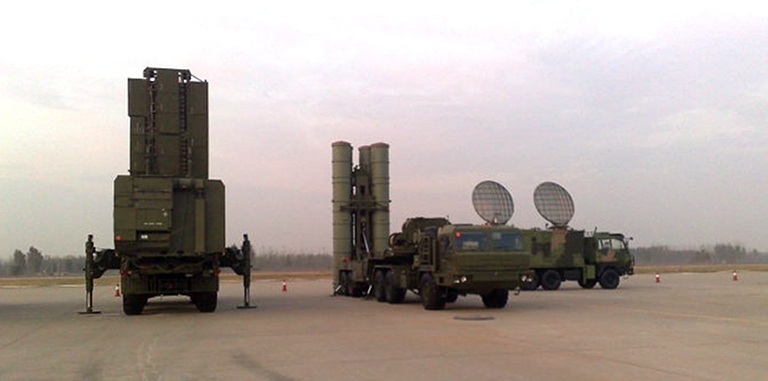
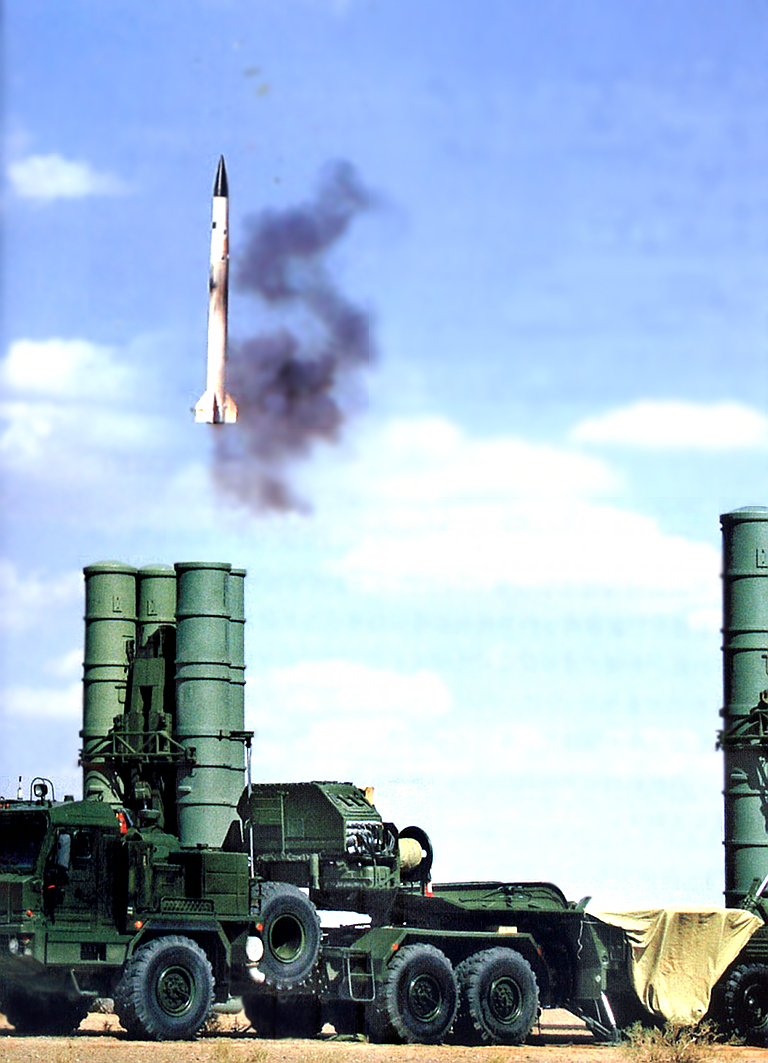
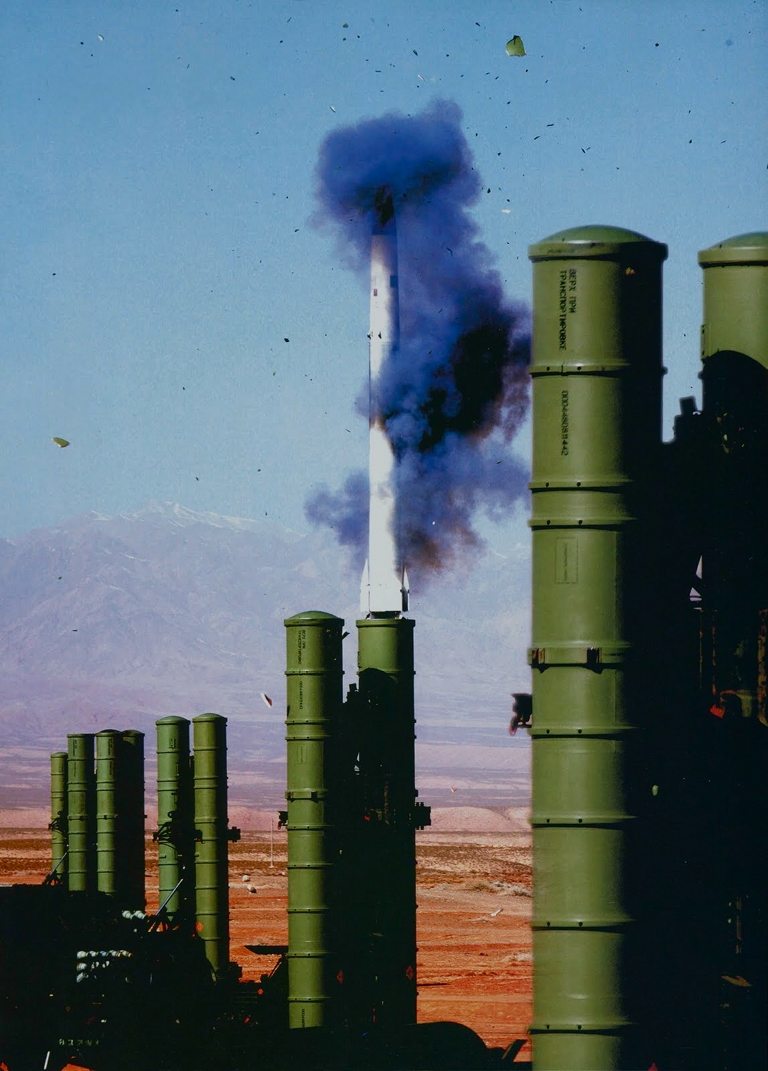
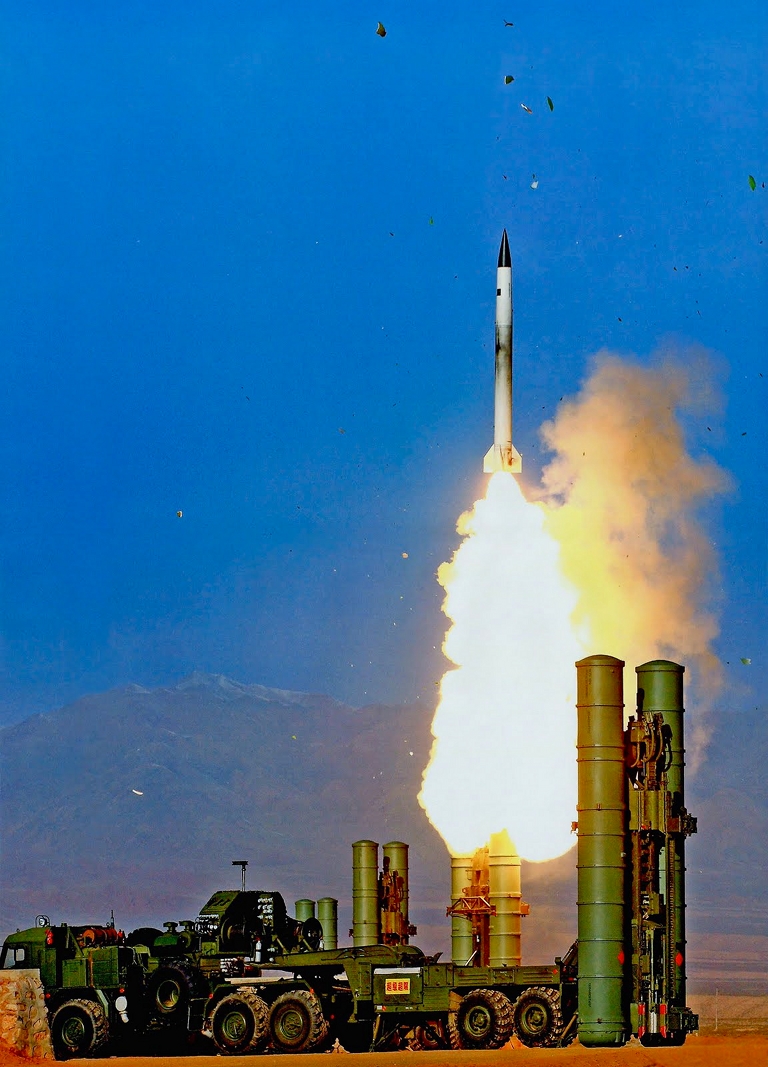 Operational PLA S-300PMU2 Favorit / SA-20B 5P85TE2 TEL launching a 48N6E2 round (Chinese Internet). |
|||||||||||||||||||||||||||||||||||||||||||||||||||||||||||||||||||||||||||
|
|
|||||||||||||||||||||||||||||||||||||||||||||||||||||||||||||||||||||||||||
|
|||||||||||||||||||||||||||||||||||||||||||||||||||||||||||||||||||||||||||
BackgroundThe S-300PMU2/SA-10E Favorit
system, later redesignated SA-20B
Gargoyle, is the last of the Almaz S-300P variants to carry the S-300P
designation. Developed between 1995 and 1997, it was intended to
compete directly against the Antey
S-300V and Patriot PAC-2/3 systems as an Anti-Ballistic Missile system,
while retaining the long range SAM capabilities of its predecessor
S-300P variants.
The Favorit incorporates incrementally upgraded 30N6E2 Tomb Stone, NIIIP 64N6E2 Big Bird radars and a 54K6E2 command post, and the LEMZ 96L6E as its early warning and primary acquisition system, replacing the 36D6/ST-68UM Tin Shield and LEMZ 76N6E Clam Shell. While the system retains compatibility with earlier 48N6 missiles, a new extended 108 nautical mile range 46N6E2 missile was added. The Favorit's new command post has the capability to control S-300PMU / SA-10, S-300PMU1 / SA-20 batteries, and also according to Russian sources S-200VE / SA-5 Gammon batteries, relaying coordinates and commands to the 5N62VE Square Pair guidance and illumination radar. While the Favorit superficially appears like the SA-10B, it has a wide range of technological improvements internally, and a range of optimisations to improve performance in the Anti-Ballistic Missile (ABM) role. Almaz, the system integrators, and Fakel, the missile designers, claim to have repeatedly caused Scud target vehicle warheads to detonate during test intercepts at the Kapustin Yar range in 1995. The S-300PMU2 is the most advanced variant of the S-300P series to be exported in larger quantities, with the PLA being the principal client at this time. |
|||||||||||||||||||||||||||||||||||||||||||||||||||||||||||||||||||||||||||
Technical Notes
|
|||||||||||||||||||||||||||||||||||||||||||||||||||||||||||||||||||||||||||
S-300PMU2 Technical Data |
|||||||||||||||||||||||||||||||||||||||||||||||||||||||||||||||||||||||||||
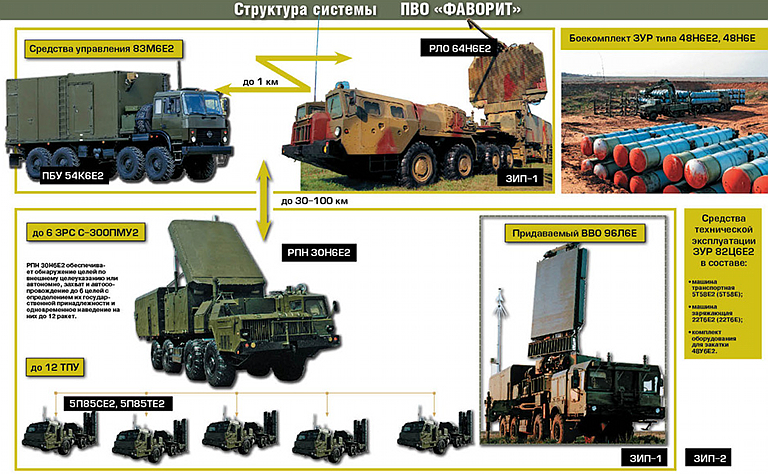
S-300PMU2 Battery Components |
|||||||||||||||||||||||||||||||||||||||||||||||||||||||||||||||||||||||||||
|
|||||||||||||||||||||||||||||||||||||||||||||||||||||||||||||||||||||||||||
| |
|||||||||||||||||||||||||||||||||||||||||||||||||||||||||||||||||||||||||||
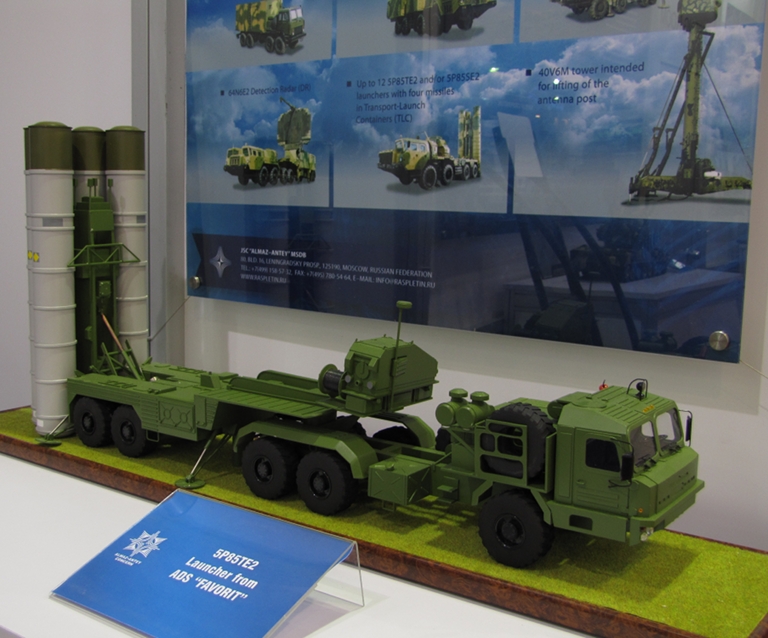
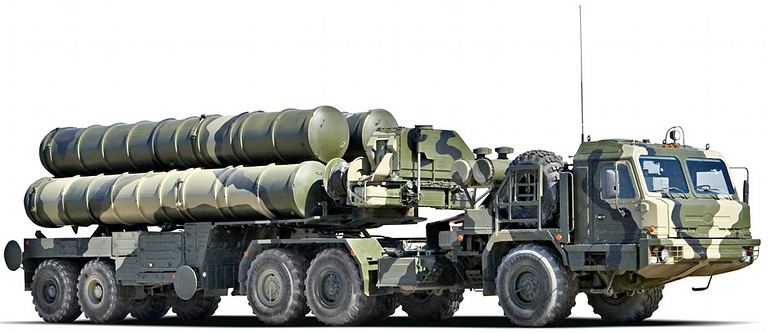
Almaz 5P85TE2 Towed Transporter Erector Launcher Operational PLA S-300PMU2 Favorit /
SA-20B battery with 5P85TE2 TELs (Chinese Internet).
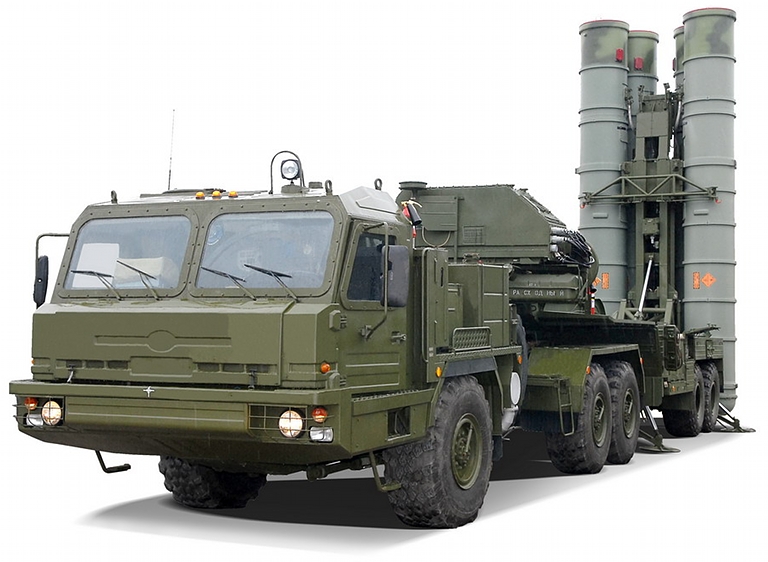 Full rate production S-300PMU2 Favorit systems recently exported to the PLA have been photographed using late model 5P85TE2 TELs with BAZ-6402 series tractors, rather than the earlier towed TEL variant. This reflects the current Almaz-Antey philosophy of maximising commonality between the S-300PMU2 and S-400 systems (Almaz-Antey). |
|||||||||||||||||||||||||||||||||||||||||||||||||||||||||||||||||||||||||||
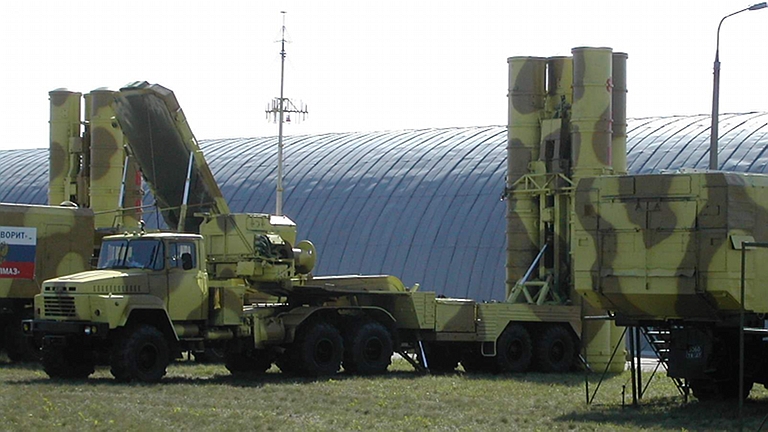
Almaz 5P85TE/TE1 Towed Transporter Erector Launcher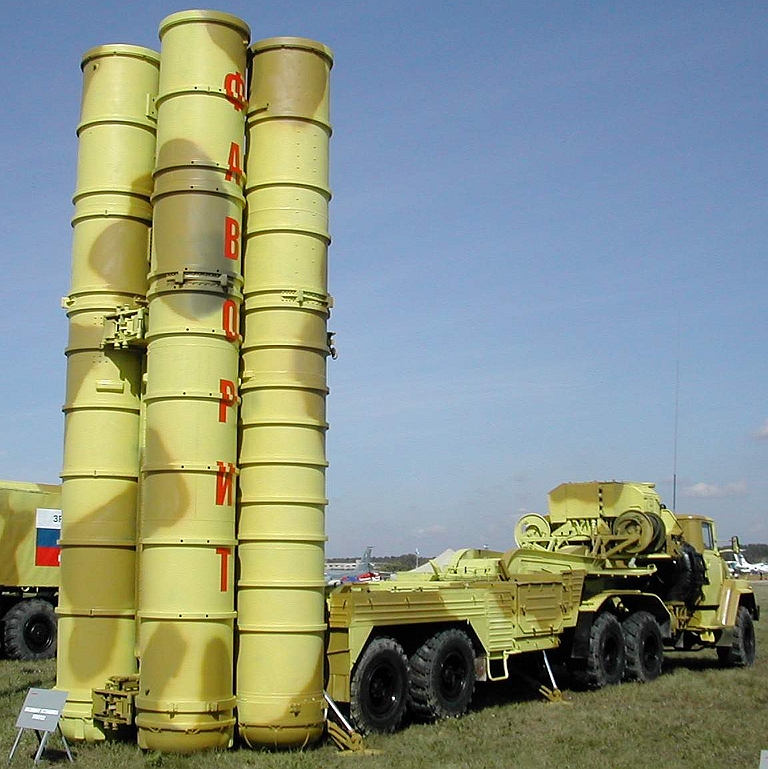 Legacy
5P85TE
TELs
were
employed
with
the
S-300PMU2
demonstrators.
 |
|||||||||||||||||||||||||||||||||||||||||||||||||||||||||||||||||||||||||||
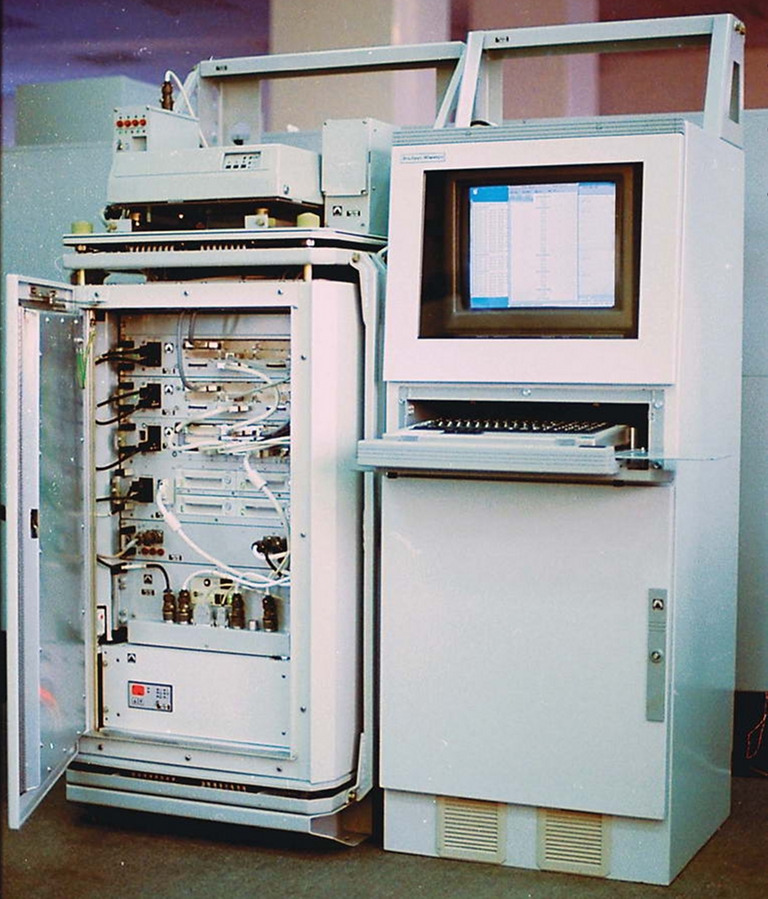
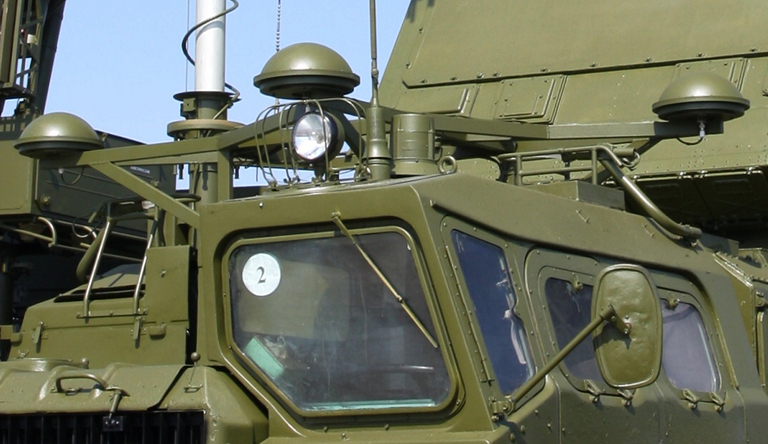
Almaz 54K6E2 Command Post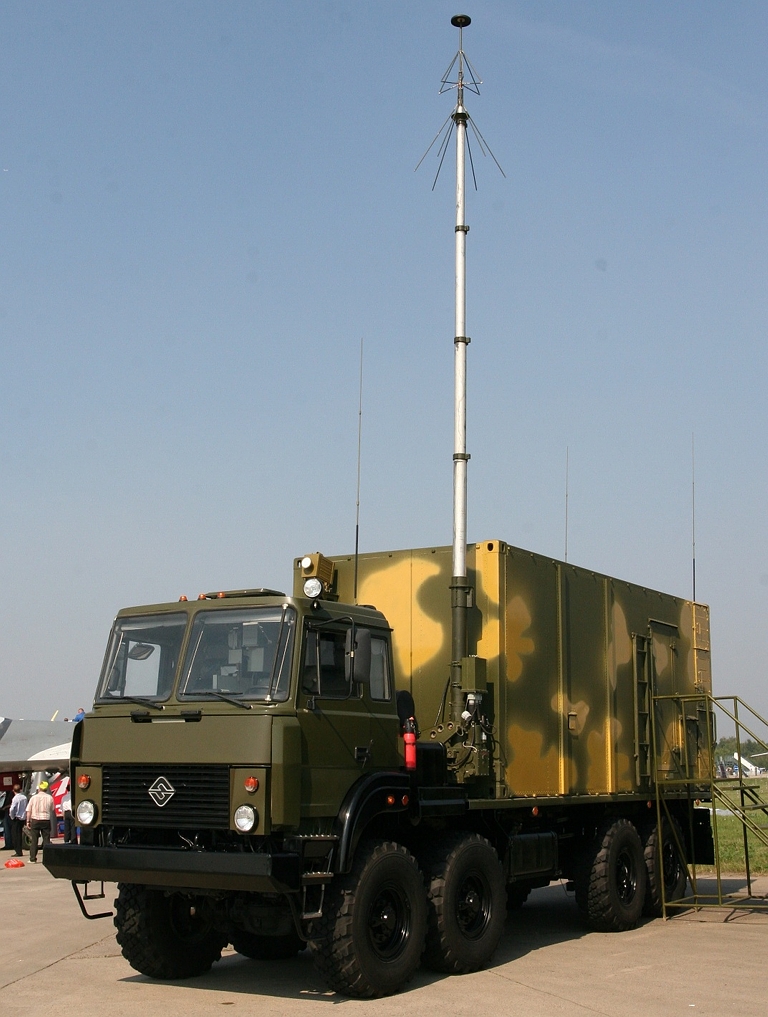 An S-400 55K6 Command Post with
deployed antenna mast, carried
by
an
8
x
8
Ural
532361. The production SA-20B 54K6E2 CP is
engineered around 55K6E components and will be difficult to visually
differentiate (image © Miroslav
Gyűrösi).
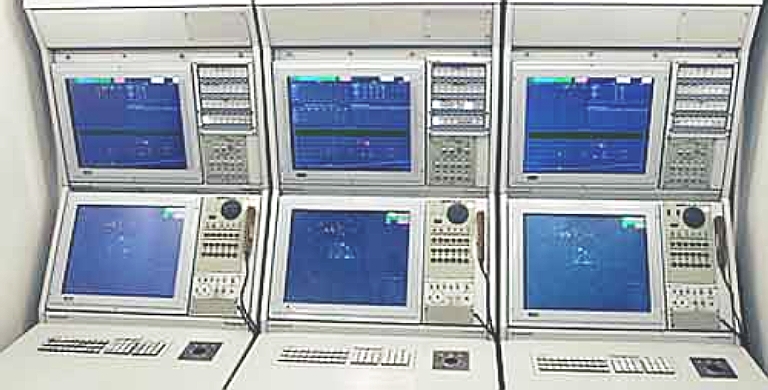
55K6E CP operator consoles in container van. The production SA-20B 54K6E2 CP is engineered around 55K6E components (Almaz-Antey). 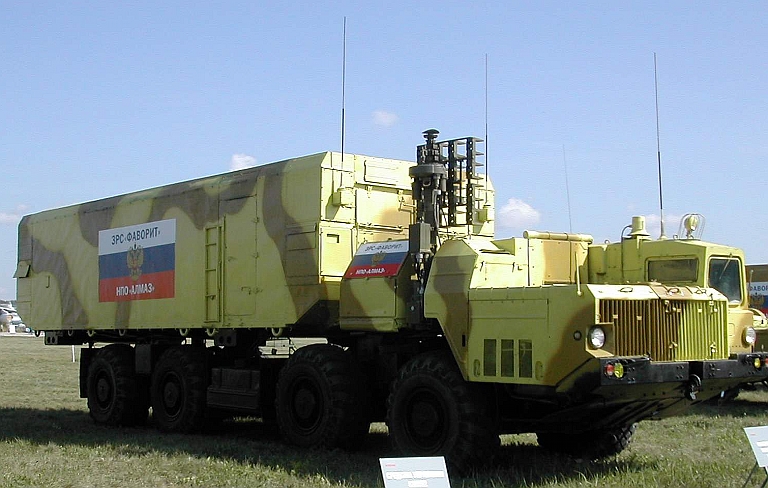 S-300PMU2
Favorit
54K6E2
CP
demonstrators
used
the
legacy
54K6E
CP
as
a
platform.
|
|||||||||||||||||||||||||||||||||||||||||||||||||||||||||||||||||||||||||||
 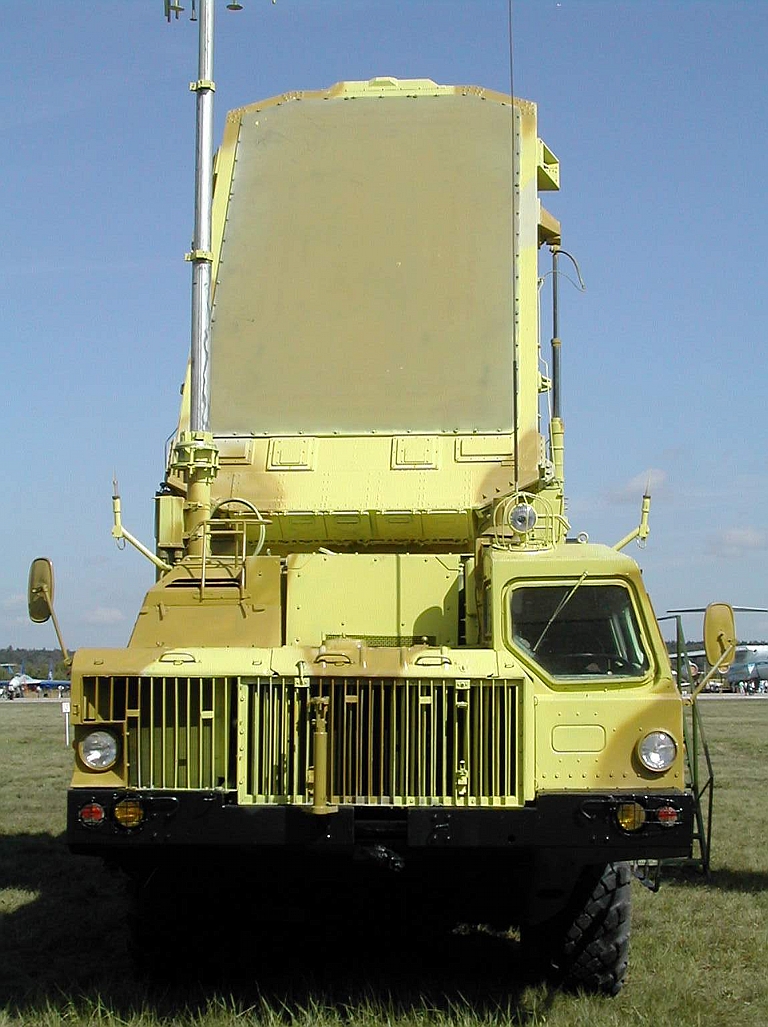 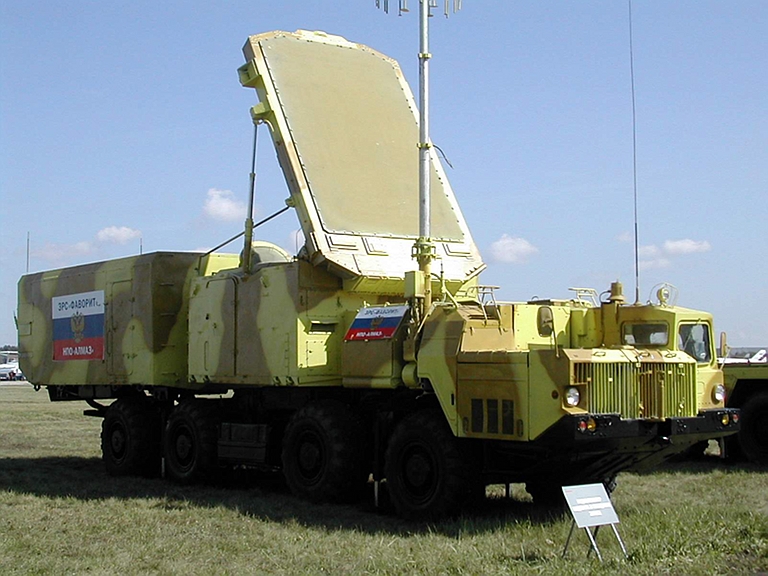 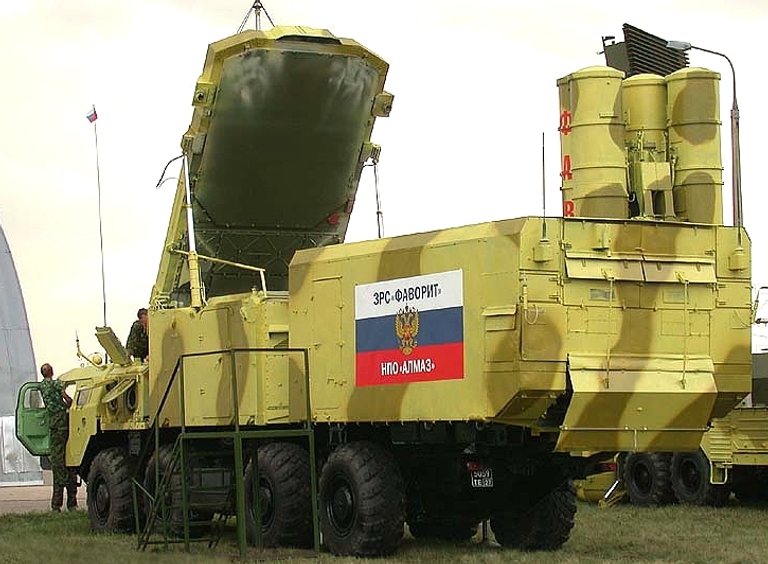 |
|||||||||||||||||||||||||||||||||||||||||||||||||||||||||||||||||||||||||||
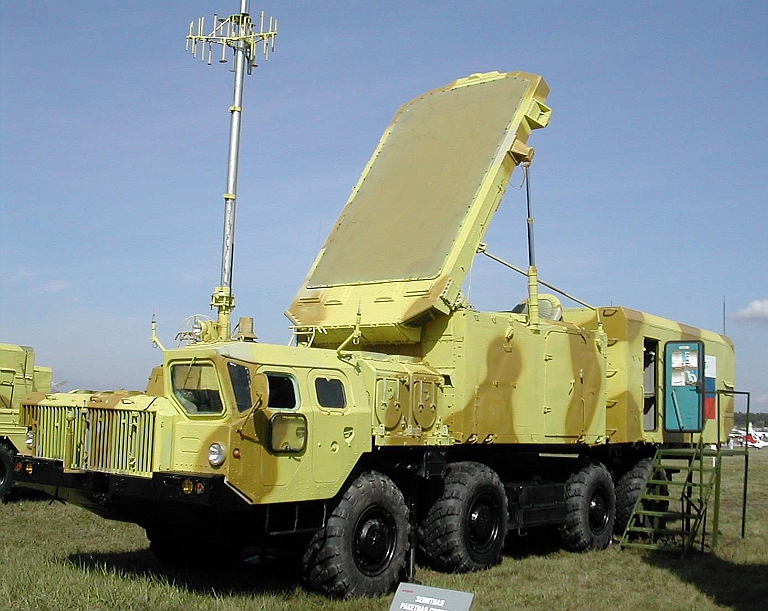
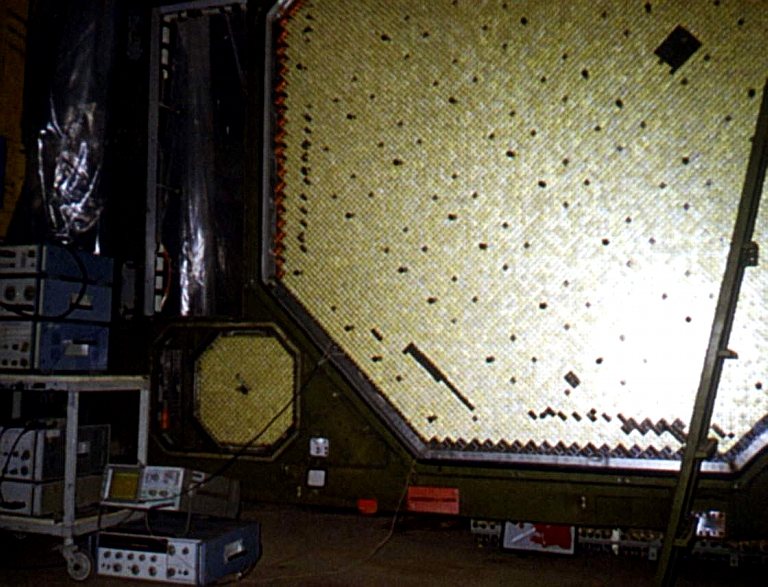
LEMZ 96L6E Acquisition Radar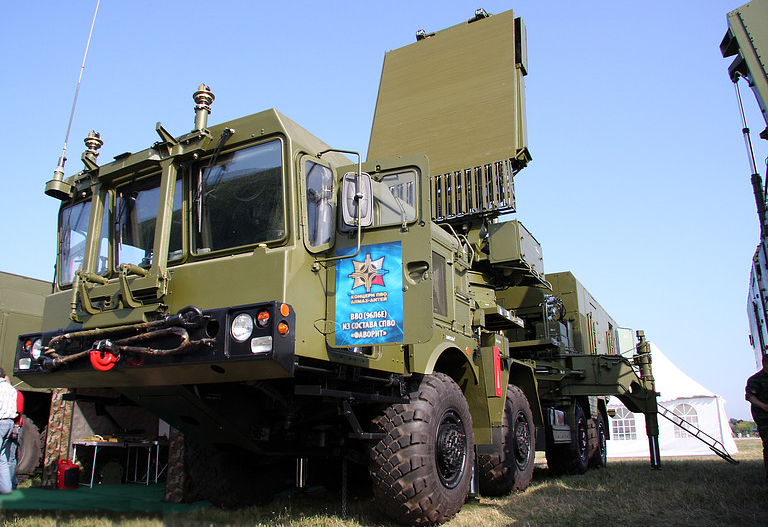 Above,
below:
Late
production
PLA
S-300PMU2 Favorit batteries employ a single LEMZ 96L6E acquisition
radar on the
MKZT-7930 chassis, replacing the ST-68U Tin Shield and 76N6E Clam Shell
(image © 2010 Vitaliy
Kuzmin).
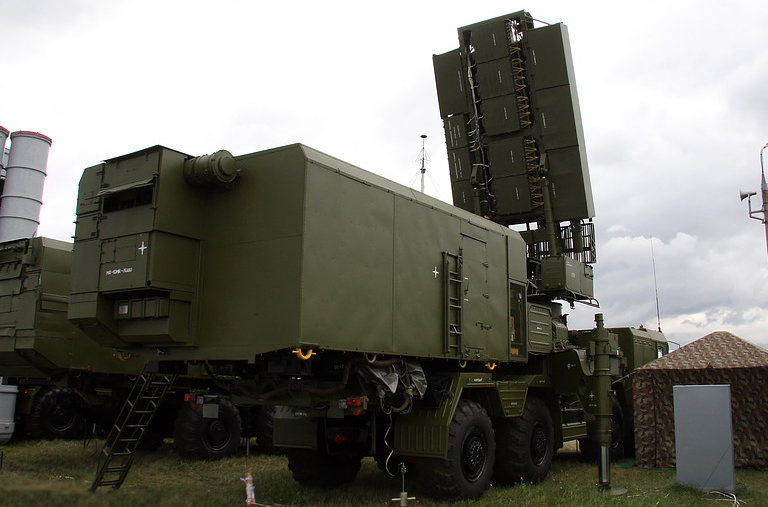 |
|||||||||||||||||||||||||||||||||||||||||||||||||||||||||||||||||||||||||||
NIIIP 64N6E2 Big Bird Acquisition Radar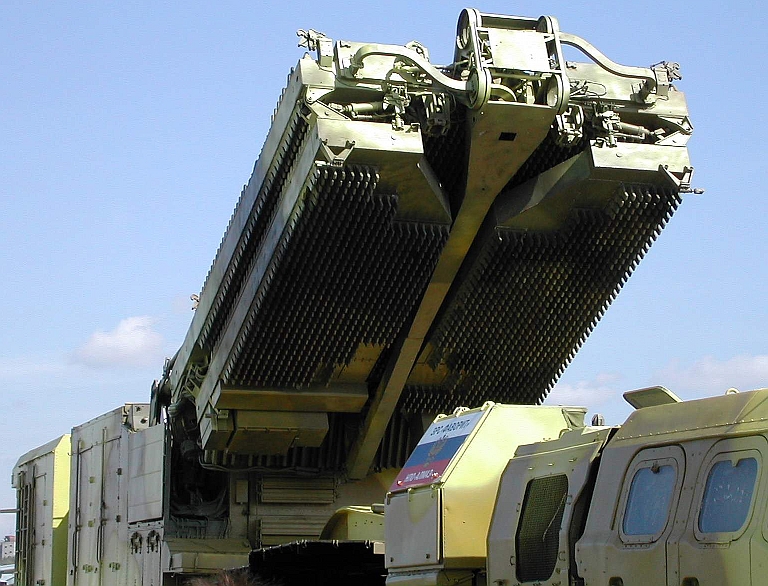 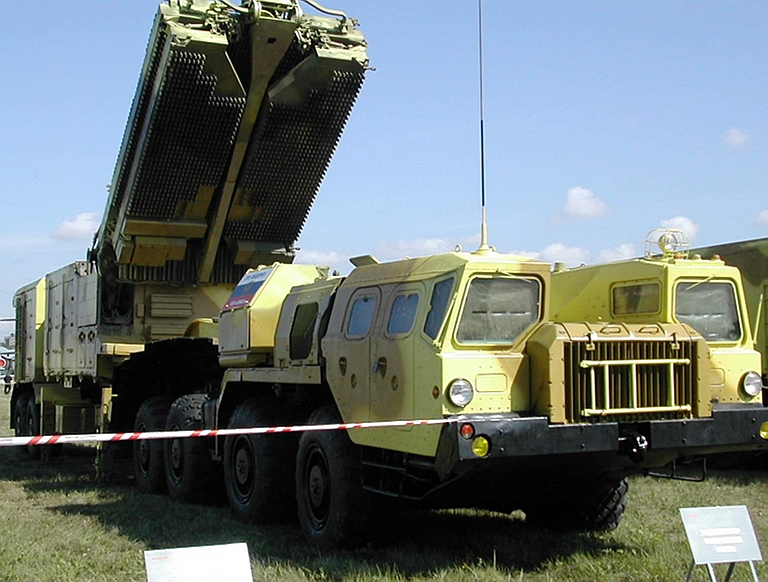 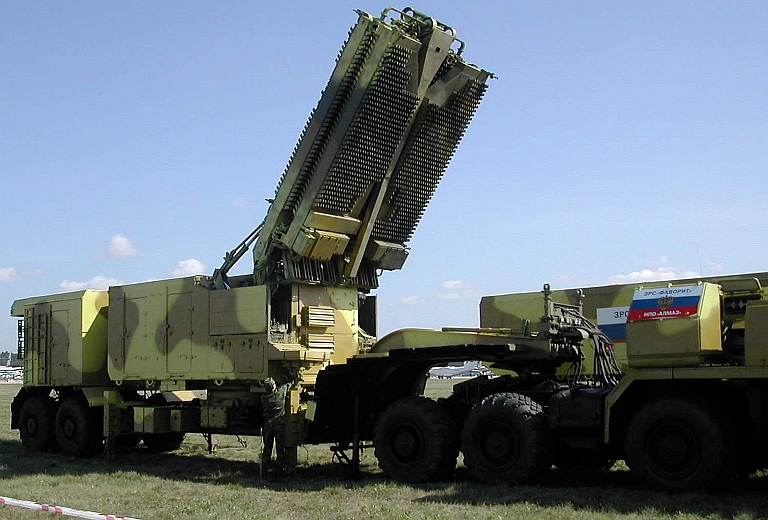 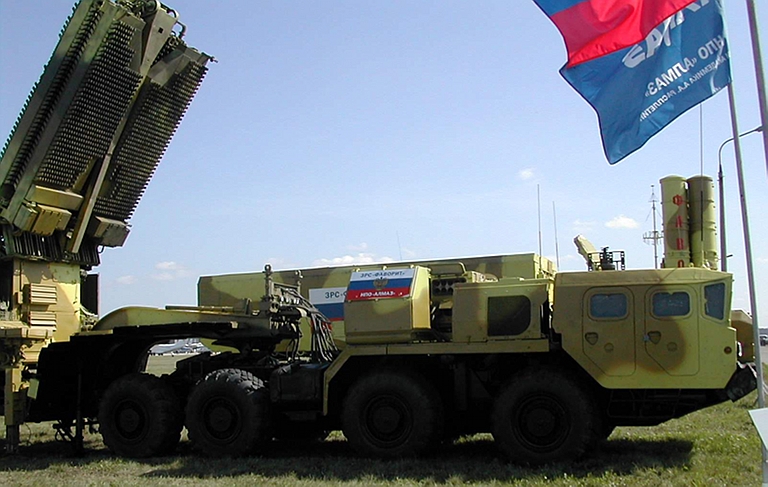 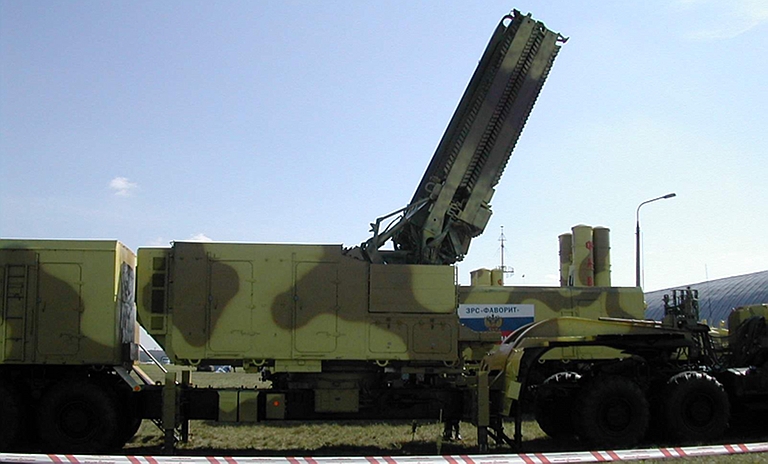 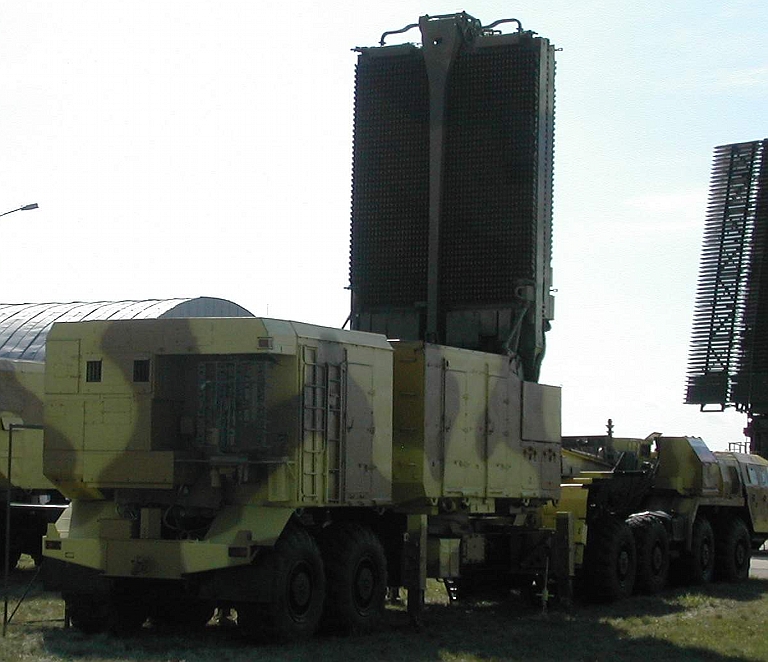 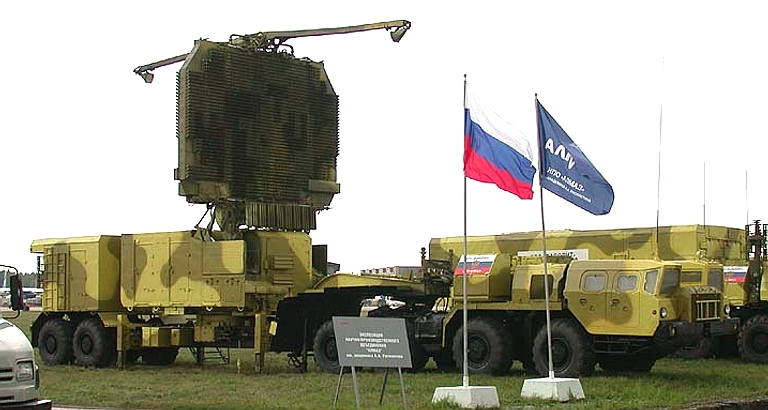 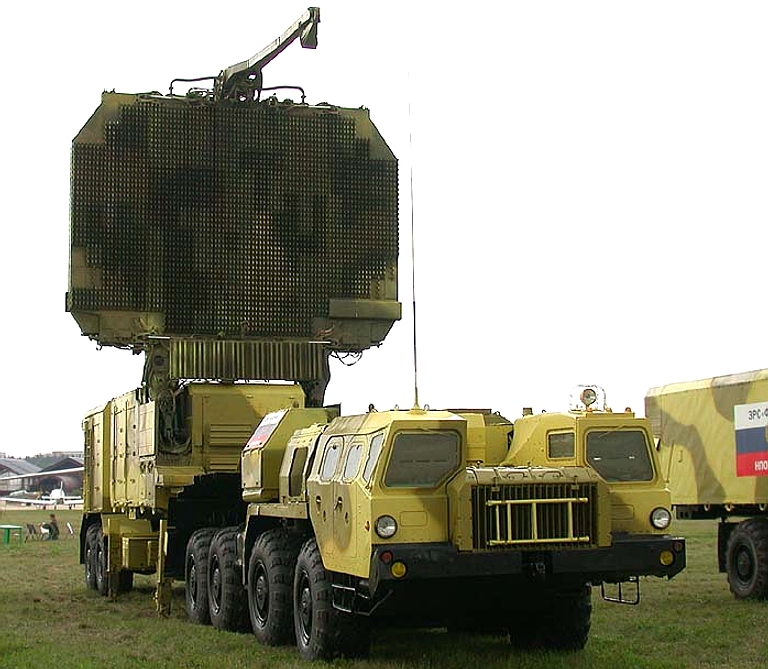 |
|||||||||||||||||||||||||||||||||||||||||||||||||||||||||||||||||||||||||||
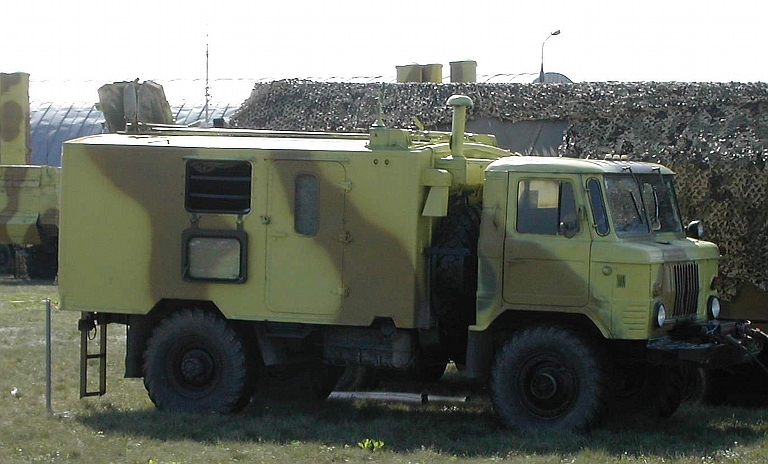 |
|||||||||||||||||||||||||||||||||||||||||||||||||||||||||||||||||||||||||||
5T58E Missile Transporter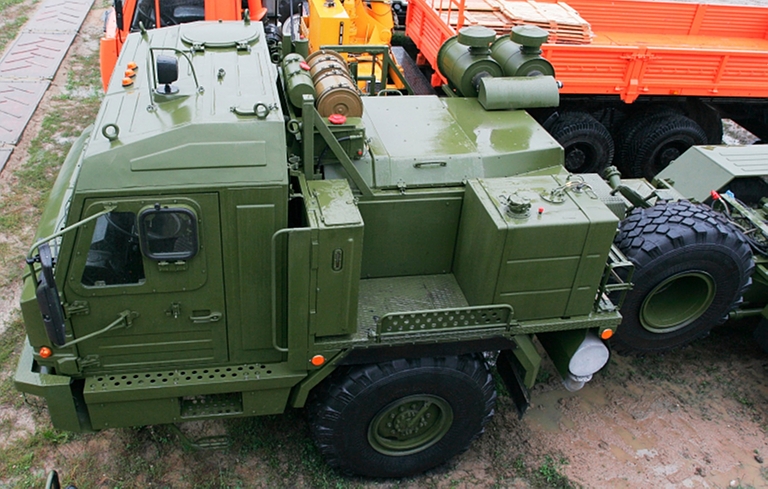 The 5T58-2 missile transporters used with
late production S-300PMU2 systems are towed by the BAZ-6402 tractor (image © Miroslav
Gyűrösi).
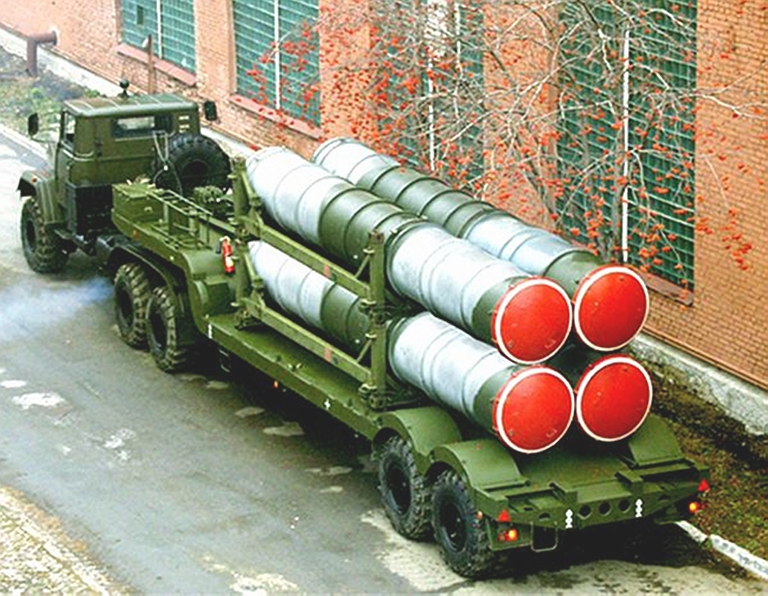 Early
model
5T58E
transporter
with
four rounds loaded. This semi-trailer is used not only for the
carriage of missiles, but also to deploy other equipment, including
radar and mast components (via Russian internet).
|
|||||||||||||||||||||||||||||||||||||||||||||||||||||||||||||||||||||||||||
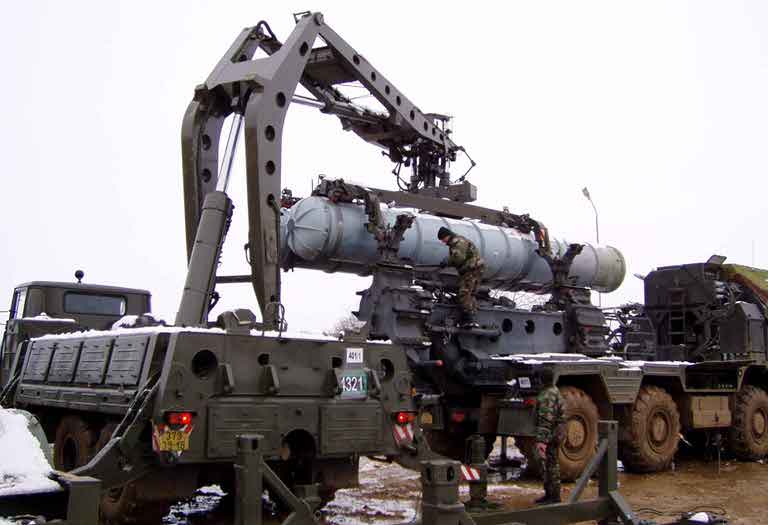
 The
NPP
Start 22T6E2 Missile Transloader has been offered on two different
chassis, a 6 x 6 legacy design, and the 8 x 8 Ural 532361 which is also
used for the new S-400 / SA-21 55K6E command post (NPP Start).
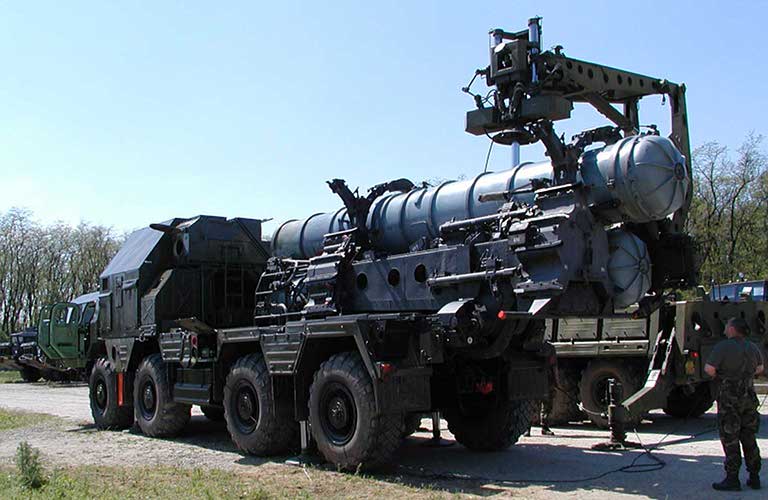 An early model 22T6 transloader on
the KrAZ-260 chassis performing a transloading operation with an early
model 5P85DU TEL (via Russian Internet).
 |
|||||||||||||||||||||||||||||||||||||||||||||||||||||||||||||||||||||||||||
Notes/References
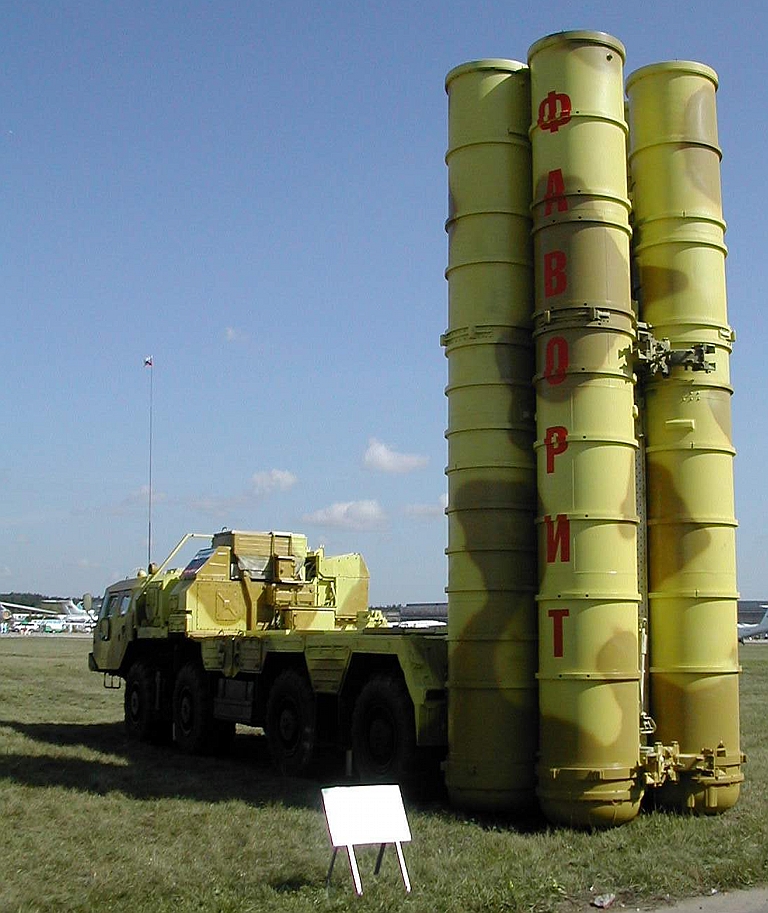
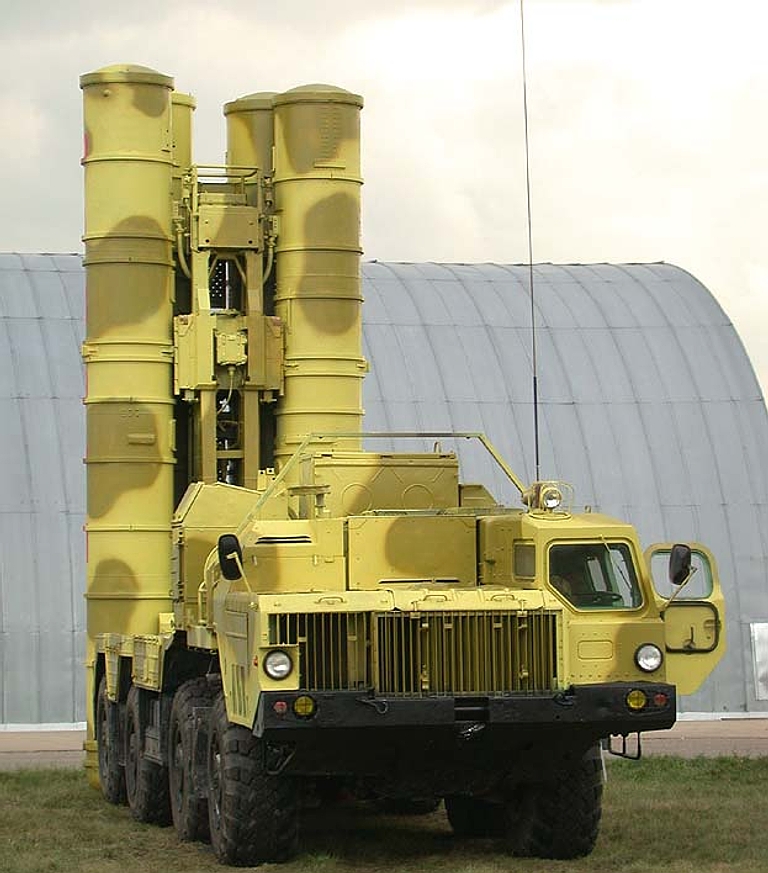
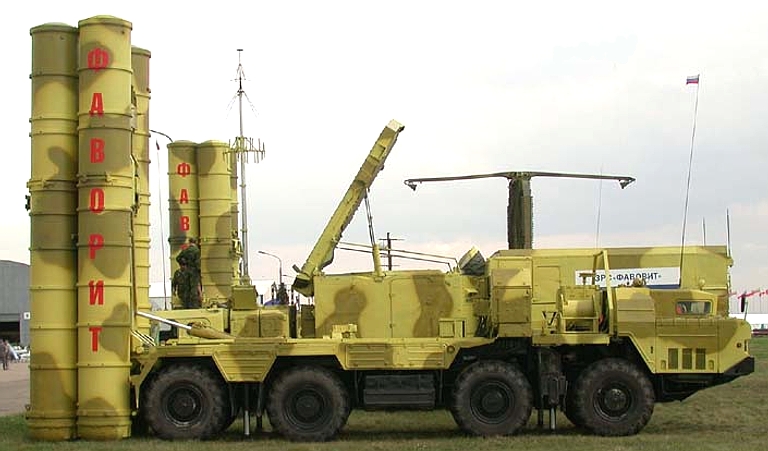
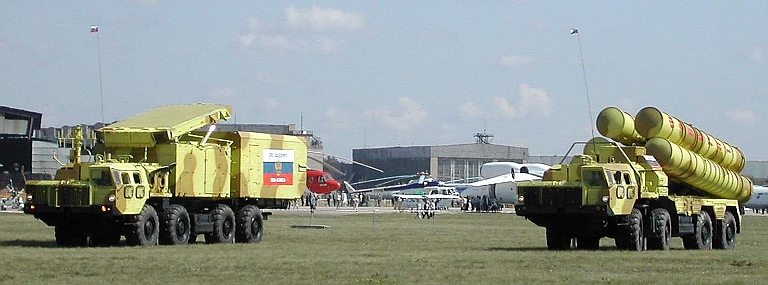 S-300PMU2 Favorit demonstrator at MAKS. |
|||||||||||||||||||||||||||||||||||||||||||||||||||||||||||||||||||||||||||
|
Technical
Report
APA-TR-2009-0502
|
|||||||||||||||||||||||||||||||||||||||||||||||||||||||||||||||||||||||||||
|
|||||||||||||
|
|
|
|
|
|
|
|
|
|
|
|||
|
|
|
|
|
|
|
|
|
|
|
|||
 |
|
|
|||||||||||
| Artwork, graphic design, layout and text © 2004 - 2014 Carlo Kopp; Text © 2004 - 2014 Peter Goon; All rights reserved. Recommended browsers. Contact webmaster. Site navigation hints. Current hot topics. | |||||||||||||
|
Site Update
Status:
$Revision: 1.753 $
Site History: Notices
and
Updates / NLA Pandora Archive
|
|||||||||||||
|
|
Tweet | Follow @APA_Updates | |||||||||||
|
|
|||||||||||||
|
|
|||||||||||||