|
||||||||||||||||||||||
 |
||||||||||||||||||||||
![F-22A Raptor, FB-22, F-22E, F-22N and Variants Index Page [Click for more ...]](APA/f-fb-22.png "F-22A Raptor, FB-22, F-22E, F-22N and Variants Index Page [Click for more ...]") |
 |
![People's Liberation Army Air Power Index Page [Click for more ...]](APA/pla-air-pwr.png "People's Liberation Army Air Power Index Page [Click for more ...]") |
 |
 |
 |
 |
 |
 |
![Military Ethics, Culture, Education and Training Index Page [Click for more ...]](APA/ethx-culture.png "Military Ethics, Culture, Education and Training Index Page [Click for more ...]") |
 |
||||||||||||
 |
![Russian / Soviet Weapon Systems Index Page [Click for more ...]](APA/rus-weps.png "Russian / Soviet Weapon Systems Index Page [Click for more ...]") |
 |
 |
 |

|
 |
 |
 |
 |
 |
||||||||||||
 |
 |
|||||||||||||||||||||
| Last Updated: Mon Jan 27 11:18:09 UTC 2014 | ||||||||||||||||||||||
|
||||||||||||||||||||||
|
||||||||||||||||||||||
|
||||||||||||||||||||||
|
|
|
|
|
|
|
|
|
|
|
||||||||||||
|
|
|
|
|
|
|
|
|
|
|
||||||||||||
|
|
|||||||||||||||||||||
| Last Updated: Mon Jan 27 11:18:09 UTC 2014 | ||||||||||||||||||||||
|
||||||||||||||||||||||
| Almaz
S-300P/PT/PS/PMU/PMU1/PMU2 Almaz-Antey S-400 Triumf SA-10/20/21 Grumble/Gargoyle Technical Report APA-TR-2006-1201 |
||||||||||||||||||||||||||||||||||||
|
||||||||||||||||||||||||||||||||||||
  [Please embed this graphic and link on your website] Background
Resources Strategic Context Almaz S-300P/PT / SA-10A Grumble A /Зенитный Ракетный Комплекс С-300П/ПT 30N6
Flap Lid
A Engagement Radar (радиолокатор подсвета и наведения)
36D6/ST-68UM/5N59 Tin Shield (РАДИОЛОКАЦИОННАЯ СТАНЦИЯ) LEMZ 5N66/5N66M/76N6 Clam Shell (низковысотный обнаружитель) 54K6 Mobile Command Post Almaz
S-300PS/PM / SA-10B Grumble B /Самоходный Зенитный
Ракетный Комплекс
С-300ПС/ПM
Almaz S-300PMU / SA-10C Grumble C /Самоходный Зенитный Ракетный Комплекс С-300ПМУ Almaz S-300PMU1 / SA-20 Gargoyle /Самоходный Зенитный Ракетный Комплекс С-300ПМУ1 Almaz
S-300PMU2 Favorit / SA-20 Gargoyle /Самоходный
Зенитный Ракетный Комплекс С-300ПМУ2 'Фаворит'
Almaz-Antey S-400 Triumf / SA-21 / Самоходный Зенитный Ракетный Комплекс С-400 'Триумф' Design of the S-300P and S-300V SAM Systems BackgroundThe Almaz S-300P/S-400 family of Surface to Air Missile systems is without doubt the most capable SAM system in widespread use in the Asia Pacific region. From its genesis during the 1970s this former Soviet PVO system has continuously evolved, through a series of incremental and larger enhancements.At this time the PLA is the largest single user of this family of weapons, after the Russian Federation which inherited the considerable inventory operated by the Voyska PVO. While the S-300P/S-400 series is often labelled as 'Russia's Patriot', the system in many key respects is more capable than the US Patriot series, and in later variants offers mobility performance and thus survivability much better than that of the Patriot. The introduction of the 64N6 Big Bird series of phased array acquisition radars in later variants provides them with many of the capabilities of the US SPY-1 Aegis system, in a highly mobile SAM system. From an Australian perspective the deployment of large numbers of the S-300P/S-400 family of missiles in Asia is of major concern. Rapidly deployable, high survivable, and highly lethal, these weapons are especially difficult to counter and require significant capabilities to robustly defeat. The US Air Force currently envisages the F-22A Raptor as the primary weapon used to defeat these capable systems. It is important to note that no F/A-18 variant, nor the Joint Strike Fighter, were designed to penetrate the coverage of the S-300P/S-400 systems. The survivability of these aircraft will not be significantly better than that of legacy combat aircraft. With the penetration of the internet into Russia, significant volumes of imagery and technical material covering this system have become available in the public domain. This webpage concentrates some of this material with the aim of providing a resource for military intelligence and strategy professionals. |
||||||||||||||||||||||||||||||||||||
|
Strategic Context
Both the Almaz S-300P/S-400
(SA-10, SA-20) and Antey S-300V (SA-12) SAM systems grew out of
the disappointments of Vietnam and the Yom Kippur wars, where single
digit S-75/SA-2, S-125/SA-3 and 3M9/SA-6 series SAMs were soundly
defeated in combat by the US and Israelis respectively. Designed for
the
high density battlespace of late Cold War central Europe, the S-300P
and S-300V series of SAMs represent the pinnacle of Soviet Cold War era
SAM technology, with no effort spared to push the technological
envelope. Since the fall of the Soviet Union, both systems have
continued to evolve, benefitting immeasurably from large scale access
to
Western technology markets, and Western computational technology to
support further design effort. Against the current benchmark in Western
SAM technology, the Raytheon Patriot PAC-3 system, both the S-300P and
S-300V series remain highly competitive.
5V28E / SA-5 Gammon It should come as no surprise that the US publicly expressed concerns about the possibility of Serbia and Iraq acquiring these systems prior to the OAF and OIF air campaigns - the presence of these systems could have dramatically changed the nature of both air campaigns. With superb missile kinematics, high power-aperture phased array radar capability, high jam resistance and high mobility, the S-300P series and S-300V would have required unusually intense defence suppression effort, changing the character and duration of both air campaigns. The political fracas surrounding the Cypriot order for S-300PMU1, and the long standing intent of both North Korea and Iran to purchase large numbers of late model S-300P underscore this point. In US terminology, the double digit S-300P series and S-300V systems represent anti-access capabilities - designed to make it unusually difficult if not impossible to project air power into defended airspace. The B-2A and F-22A were both developed with these threat systems in mind, and are still considered to be the only US systems capable of robustly defeating these weapons. The technique for defeating them is a combination of wideband all aspect stealth and highly sensitive radio-frequency ESM receivers, combined with offboard sources of near-realtime Intelligence Surveillance Reconaissance (ISR) data on system locations. Aircraft with no stealth, reduced RCS capabilities, or limited aspect stealth, such as the F-15E, F-16C, F/A-18E/F, Eurofighter Typhoon and JSF are all presented with the reality that high to medium altitude penetration incurs a very highly risk of engagement by either of these weapon systems. It is perhaps ironic that the only reliable defence for aircraft lacking top tier all aspect stealth capability is high speed low altitude terrain masking using Terrain Following Radar, supplemented by offboard near-realtime ISR data, support jamming and standoff missiles. Australia's F-111s, if used cleverly, were arguably much more survivable against this class of technology than the vast majority of newer types in service - it should come as no surprise that the Bundes-Luftwaffe in Germany developed the terrain following Tornado ECR Wild Weasel precisely around this regime of attack on the SA-10/20/12. That the Canberra DoD leadership opted in 2002 to wholly ignore the arrival of the S-300P series SAMs in the Asia-Pacific region, in their long term force structure planning, is nothing less than remarkable and raises some very serious questions about how well the capabilities of these systems are actually understood in the halls of the Canberra Russell Offices. Despite repeated proposals by a great many parties, there are no plans to equip the RAAF with anti-radiation missiles or support jamming aircraft, there was an ongoing drive for early F-111 retirement, and the F-22A Raptor, the US solution to the S-300P problem, is generally dismissed as being too good for Australia. Unlike Sukhoi Su-27/30 fighters which many expect will require a robust support infrastructure, intensive training, good tactics and talented fighter pilots to operate, all taking time to mature into a viable capability, the S-300P/S-300V series SAMs were designed for austere support environments, to be operated and maintained largely by Soviet era conscripts. Therefore the integration of these weapons into wider and nearer regional force structures will not incur the delays and difficulties expected by some observers with the Sukhois. A package of S-300P/S-300V batteries could be operationally viable within months of deployment in the region, and earlier if contract Russian or Ukrainian personnel are hired to bring them online faster. The notion of fifteen years warning time looks a little absurd, given that these systems can proliferate and operationally mature as capabilities within one to two years. With the first generation of these SAMs deployed during the early 1980s, currently marketed variants are third and fourth generation evolutions of the basic design, mature systems built with characteristic Russian robustness and simplicity where possible. In recent years the accelerated
marketing tempo of the desperate Russian industry has seen a
surprisingly large amount of detailed technical material on these
weapons appear in the public domain, with publications like Military
Parade, Vestnik PVO, Missiles.ru and Russkaya Sila posting detailed
summaries and
data on Internet websites, albeit mostly accessible only to readers of
Russian. Other former Warpac nations have also been surprisingly open
in
sharing information on these weapons. Given the availability of this
data it is now possible to compile more comprehensive analyses of these
weapons, than of equivalent US products such as the Patriot. This
analysis is based largely upon Russian sources. The arrival of S-300P and S-300V missile systems in the region radically changes the strategic environment, both from the perspective of the US and Australia. These highly capable systems are not invincible, but require significant investment into specialised capabilities to defeat them - prohibitive losses in aircraft and aircrew otherwise might occur. As they are less demanding to operate than modern combat aircraft, operators across the broader region will be able to achieve combat effective proficiency faster than with the Su-27/30. In practical terms the S-300P/S-300V SAMs are a viable deterrent against air forces without the technological and especially intellectual capital to tackle them - and in many respects better value for money than the Su-27/30. Their failure to sell in larger numbers reflects more than anything poor marketing by Russia's industry. The US Air Force's approach to defeating these SAMs is conceptually simple: the F-22A exploiting its all aspect wideband stealth, supercruise, high altitude and sensitive ESM warning capability will kill the engagement and acquisition radars using guided weapons., primarily the GBU-39/B Small Diameter Bomb. High power standoff support jamming was to have been provided by the cancelled program for B-52H aircraft equipped with electronically steerable high power jamming pods, standoff ISR support will be provided by systems such as the RC-135V/W, E-8C and since cancelled E-10 MC2A. Standoff or highly stealthy ISR capabilities will be necessary - the current generation of high altitude UAVs like the RQ-1B and RQ-4A /B are not survivable in airspace covered by the S-300P/S-300V systems. Conventional unstealthy, or partially stealthy combat aircraft will have difficulty surviving within the coverage of the S-300P/S-300V systems - the high transmit power, large radar and missile seeker apertures, low sidelobes, generous use of monopulse angle tracking and extensive ECCM features make these systems difficult to jam effectively. Self protection jammers will need to produce relatively high X-band power output, and exploit monopulse angle tracking deception techniques - Digital RF Memory techniques with high signal fidelity are nearly essential. Even so the challenges in defeating these systems with a self protection jammer are not trivial - raw power-aperture does matter in this game. In practical terms, low level terrain masking to remain below the radar horizon of these systems, combined with good standoff ISR, support jamming and a low radar signature standoff missile, is the only reliable defence for an aircraft with anything greater than insect sized all aspect radar signature. For instance the JSF's forward sector stealth is likely to be adequate, but its aft and beam sector stealth performance will not be, especially considering the wavelengths of many of the radars in question - a JSF driver runs a real risk of taking a 3,000 lb hypersonic SAM up his tailpipe if he cannot kill the target SAM engagement radar in his first pass. For the JSF, integration of a terrain following radar mode in its AESA radar is not an unusual technical challenge, incurring only modest development cost. The bigger bite will be in shortened airframe fatigue life resulting from fast low level penetration with a modestly swept wing design. Of the current crop of conventional fighters in Western service, the most survivable are those with good TFRs - the F-111, Tornado and F-15E if fitted with the LANTIRN TFR pod - all requiring a high performance EW suite. A weakness of both the S-300P/S-300V systems is that they are severely radar horizon limited in a fully mobile configuration. The addition of mast mounted acquisition radars to extend their low level footprint severely impairs the mobility of the battery. The popular idea of shooting
cruise missiles, anti-radiation missiles or standoff missiles at the
S-300P/S-300V battery, assuming its location is known, is only viable
where such a weapon has a sufficiently low radar signature to penetrate
inside the minimum engagement range of the SAM before being detected -
anything less will see the inbound missile killed by a self defensive
SAM shot. The current Russian view of this is to sell Tor M2E/SA-15D
Gauntlet and Pantsir S1/S2 / SA-22 self-propelled point defence SAM
systems as a rapid reaction
close in defensive Counter-PGM system to protect the S-300P/S-300V
battery by
shooting down the incoming missile if it gets past the S-300P/S-300V
SAMs. Integration of the new Fakel 9M96 series point defence SAM would
provide an organic Counter-PGM defensive capability in the battery. In summary, current RAAF force
structure plans do not provide for a robust long term capability to
defeat the S-300P/S-300V class of SAMs - weapons which are very likely
to be encountered during coalition operations, and most likely,
regional
operations over the coming two or more decades. If the RAAF wishes to
remain competitive in this developing regional environment, further
intellectual and material investment will be needed. Almaz S-300P/PT Volkhov-M6 / SA-10A Grumble AЗенитный Ракетный Комплекс С-300П/ПTThe earliest origins of the
S-300P series lie in the mid 1960s, when the Soviet Voyska PVO and
Ministry of Military Production initiated its development. The aim was
to produce an area defence SAM system capable of replacing the largely
ineffective S-75/SA-2 Guideline and S-200/SA-5 Gammon systems, neither
of which performed well against low flying Wild Weasels, low RCS
targets
or US support jamming aircraft. The original intent was to design a
common SAM system for the Voyska-PVO (Air Defence Forces),
Voenno-Morskiy Flot (Navy) and the PVO-SV (Air Defence Corps of the Red
Army) but divergent service needs across these three users soon saw
commonality drop well below 50%. Ultimately the V-PVO's S-300P series
and PVO-SV's S-300V series diverged so completely to become largely
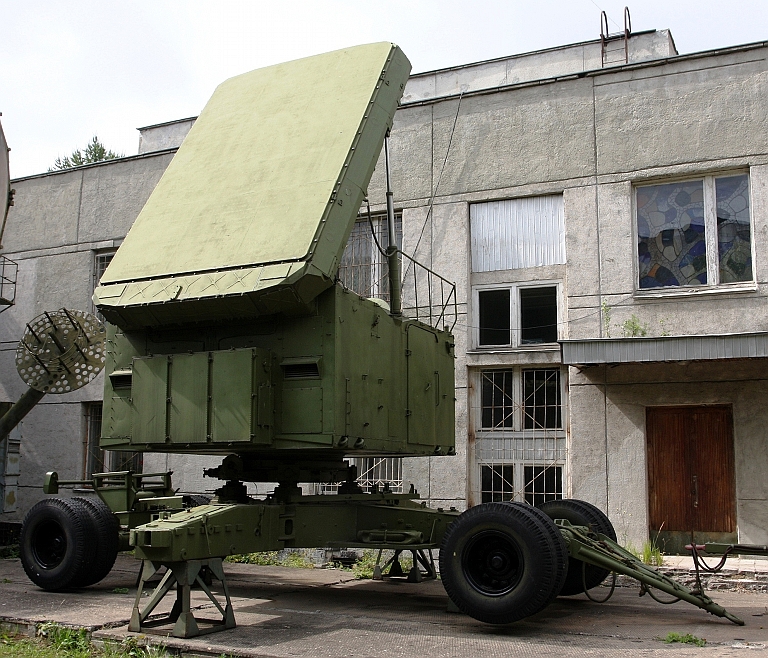
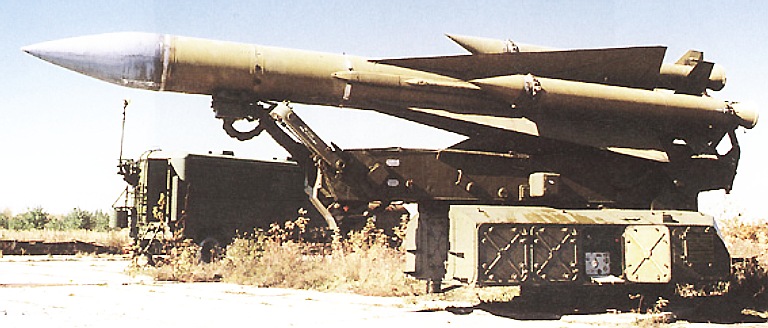
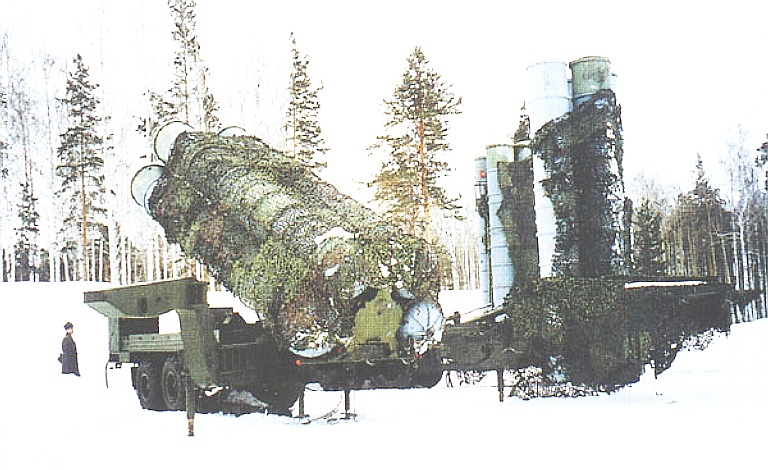
unique systems. 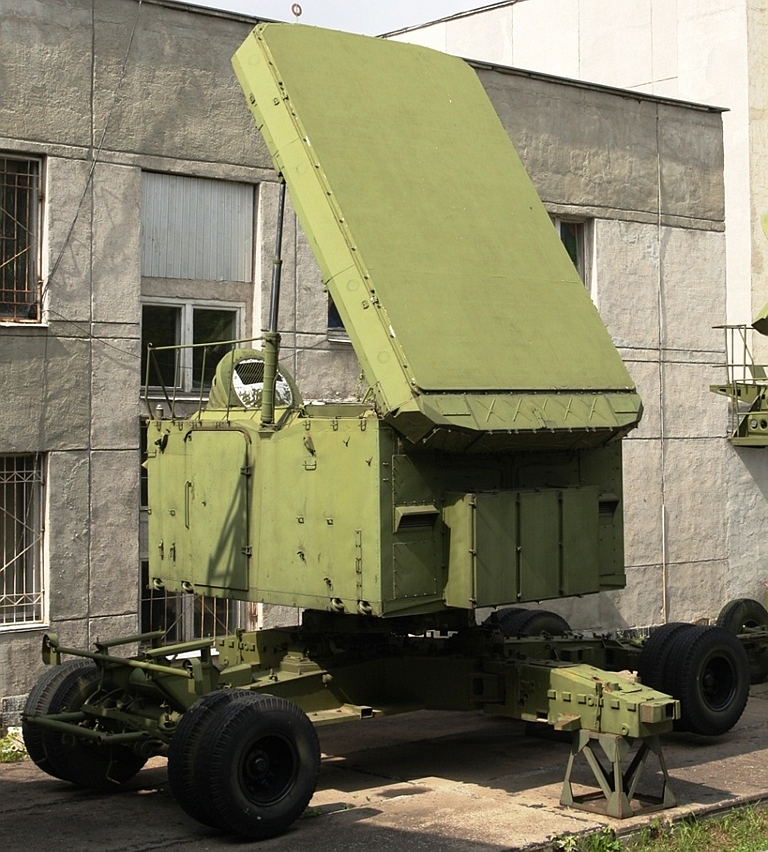 Above, below: early model 5N63 Flap Lid A
towed
variant on display at the Moscow District PVO Museum at Zarya, near
Moscow. Note the exposed polarisation screen in the space feed (Images © Miroslav
Gyűrösi).
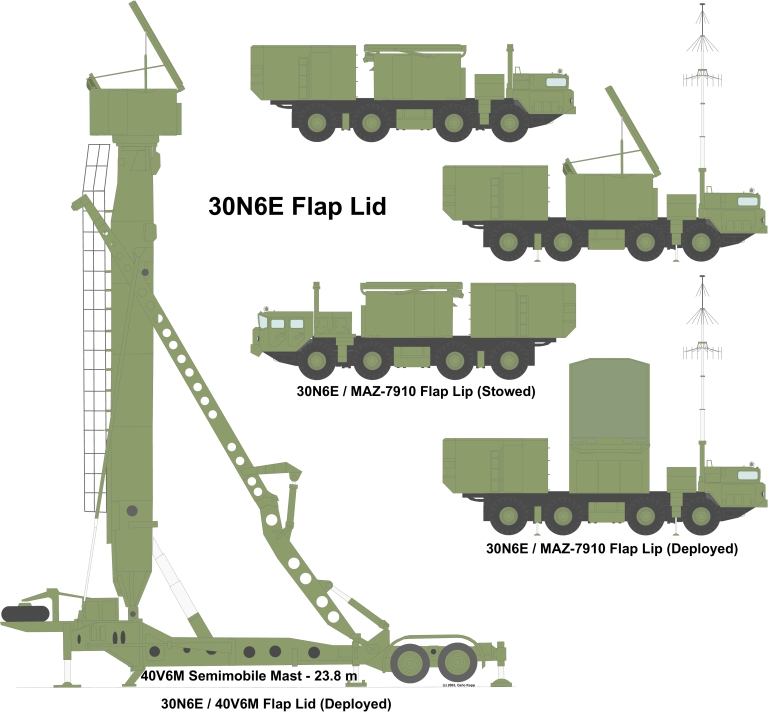
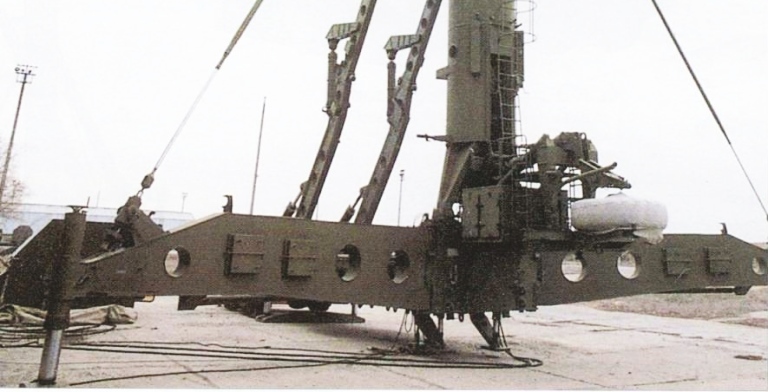
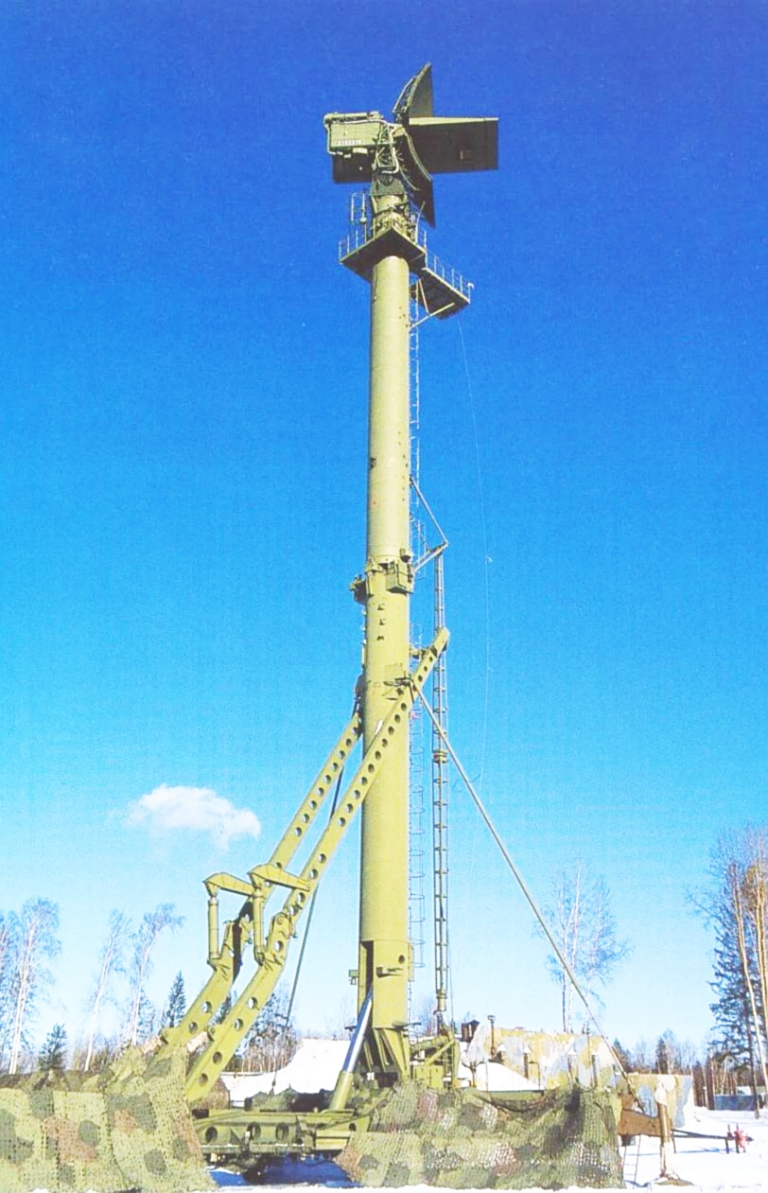
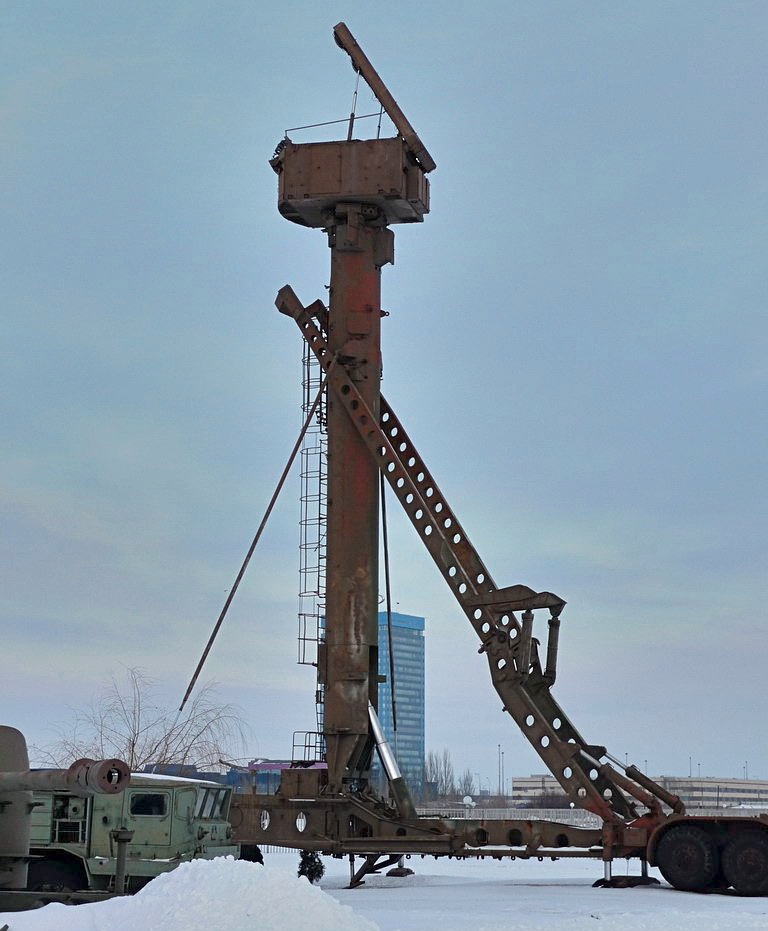 An excellent study of the 5N63 Flap Lid A deployed on 40V6M semi-mobile mast system by Said Aminov, produced at the Togliati Museum in Russia (© 2009, Said Aminov). 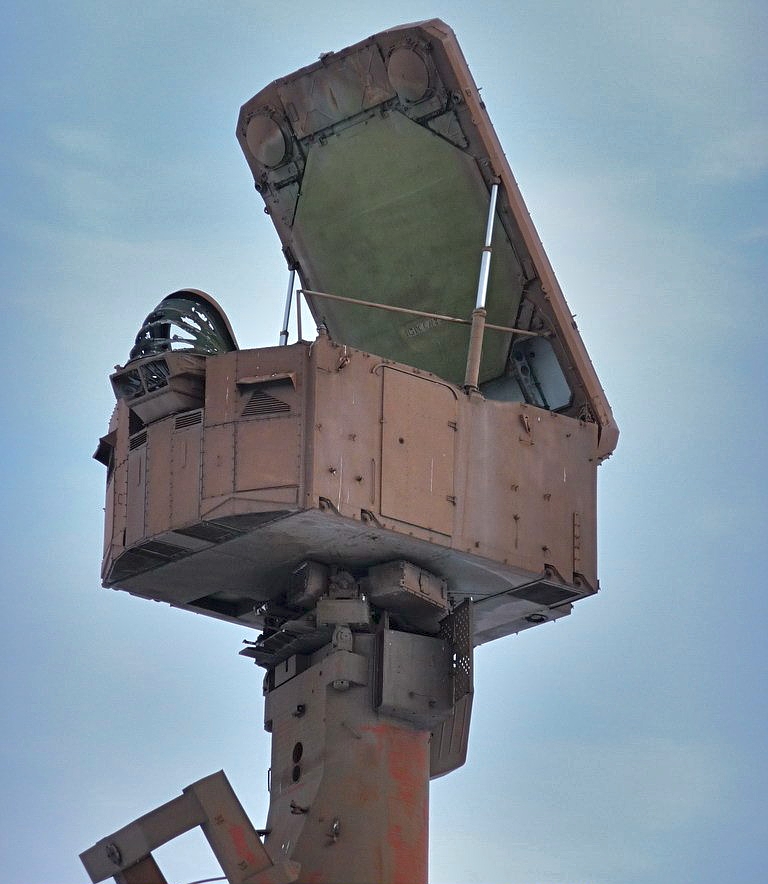 Above, detail of the 5N63 Flap Lid A F1 radar head module deployed on 40V6M semi-mobile mast system, by Said Aminov, produced at the Togliati Museum in Russia. The dual plane monopulse circular polarised primary feed has been stripped and the concertina shroud has deteriorated. The operator consoles are in the F2 module, typically located on a truck. Later self-propelled 5N63S Flap Lid B variants retained the capability to deploy the F1S module on the 40V6M/MD mast, with the F2S module remaining attached to the MAZ-7910 8x8 vehicle chassis (© 2009, Said Aminov). The design aims of the original
S-300P were to produce a strategic area defence SAM system, intended
to protect fixed targets such as government precincts, industrial
facilities, command posts and headquarters, military bases, strategic
and tactical airfields and nuclear sites. This weapon system was to
initially defeat SAC's SRAM firing FB-111As, B-52Hs and then
anticipated
B-1As, and later the Boeing AGM-86B Air Launched Cruise Missile. The
deployment model of the first generation systems was based on the
existing S-75/SA-2, S-125/SA-3 and S-200/SA-5 systems, with a
semi-mobile package of towed trailer mounted radars and missile
Transporter Erector Launchers (TEL).
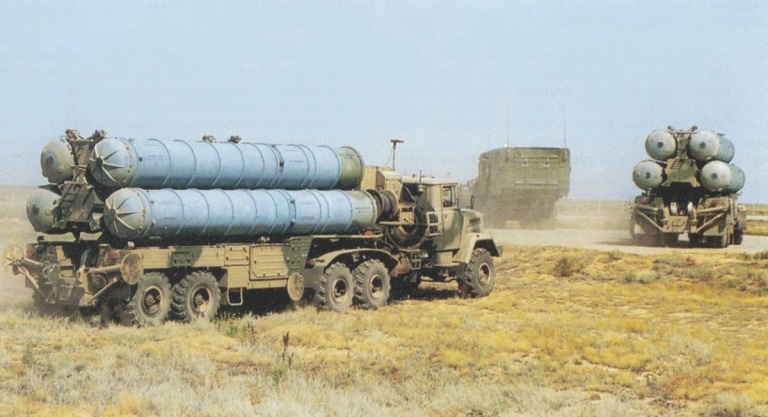
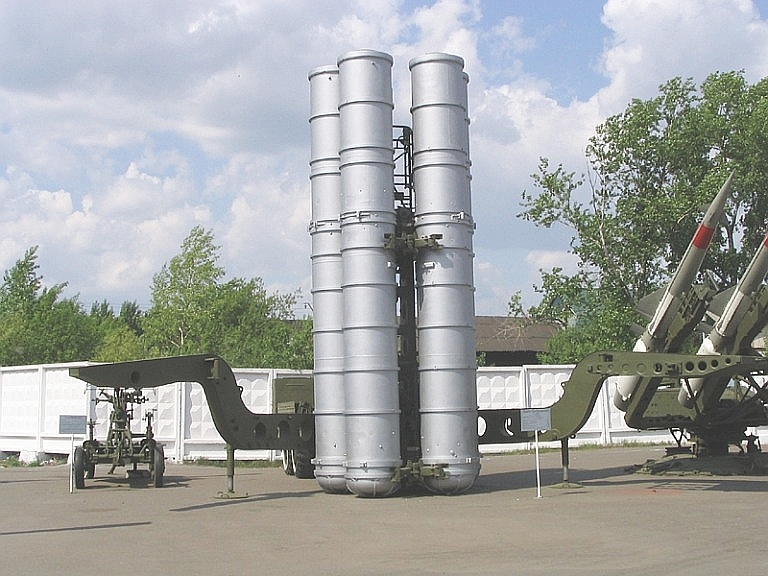
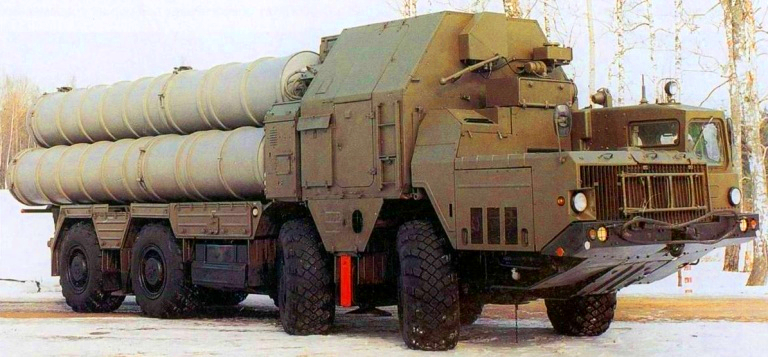
5P85-1 TEL (Author) The S-300P introduced some
important technological innovations. The first generation V-500/5V55
missile used a single stage solid rocket motor, and conceptually is
closest to the baseline US Army MIM-104 Patriot. The missile was
deployed and handled in a sealed cylindrical launch tube/canister, with
a cold start gas generator used to eject the missile vertically
before
its motor was initiated. The 5P85 TEL was a semi-trailer arrangement,
with the forward booms splayed when deployed as stabilisers. The four
launch tubes were mounted on a hydraulically elevated frame, retained
in later TEL designs. A typical battery would be equipped with three
5P85 TELs, each with four SAMs, or double the SAM complement of the
S-75/SA-2 it replaced and permitting 2 rounds per launch. The
designation of this TEL following a mid life block upgrade became
5P85-1. 5N63 Flap Lid A Engagement Radar (радиолокатор подсвета и наведения)The first generation of the
S-300P's 5N63 (later 30N6) Flap Lid A engagement/fire control radar was
also
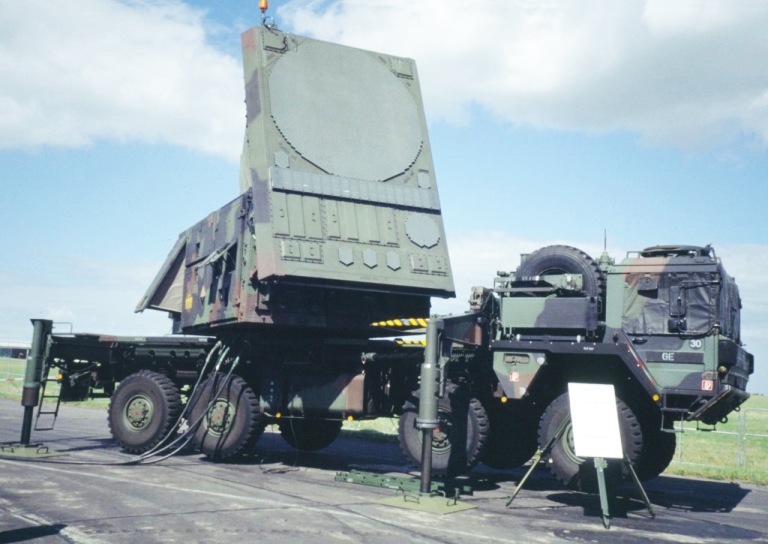
innovative, and clearly influenced by the Raytheon MPQ-53 engagement
radar for the MIM-104 Patriot. The Flap Lid, like the MPQ-53, uses a
10,000 element transmissive passive shifter technology phased array,
with a space
(a.k.a. optical) feed into the rear plane of the antenna, using a
microwave lens feed and a complex monopulse horn arrangement. The Flap
Lid's antenna stows
flat on the roof of the radar cabin, which was initially deployed on a
trailer towed by a Ural-357, KrAZ-255 or KrAZ-260 6x6 tractor. The
whole
radar cabin is mounted on a turntable and used to slew the phased array
to cover a 60 degree sector of interest.
MPQ-53
Patriot
The 5N63 was a huge generational leap in technology from the Fan Song, Low Blow and Square Pair mechanically steered and scanned engagement radars on preceding V-PVO SAMs. With electronic beam steering, very low sidelobes and a narrow pencil beam mainlobe, the 30N6 phased array is more difficult to detect and track by an aircraft's warning receiver when not directly painted by the radar, and vastly more difficult to jam. While it may have detectable backlobes, these are likely to be hard to detect from the forward sector of the radar. As most anti-radiation missiles rely on sidelobes to home in, the choice of engagement geometry is critical in attempting to kill a Flap Lid.
Unlike the Patriot's MPQ-53
engagement radar which has substantial autonomous search capability,
the 5N63 is primarily an engagement radar designed to track
targets
and guide missiles to impact using a command link channel. The absence
of dedicated directional antennas on this system indicates that the
commands are transmitted via a specialised waveform emitted by the main
array. The first generation of the 5V55K missile was command link
guided, following the design philosophy of the S-75/SA-2 and
S-125/SA-3,
with a cited range of 25 nautical miles and altitude limits between 80
ft and 80,000 ft.
S-300PT
5P85-1
TEL This variant was designated the
S-300PT (P - PVO, T -Transportiruyemiy) and incrementally upgraded
models the S-300PT-1, it entered service in 1978. NATO labelled it the
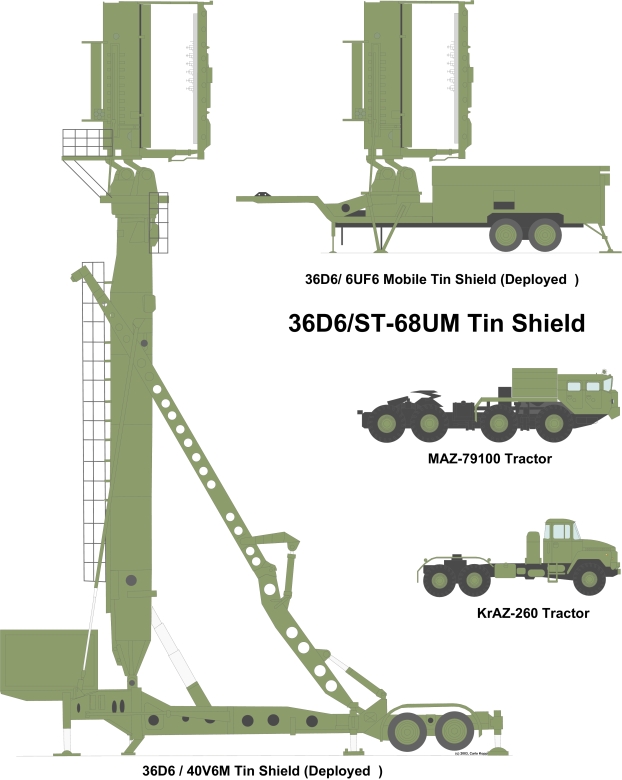
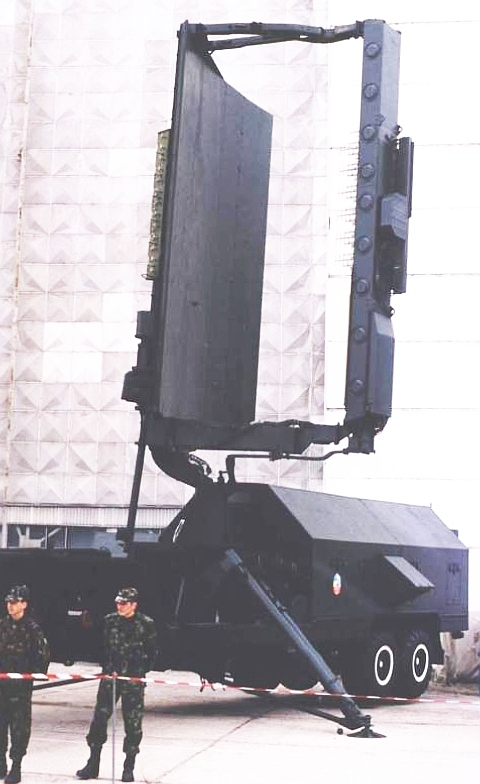
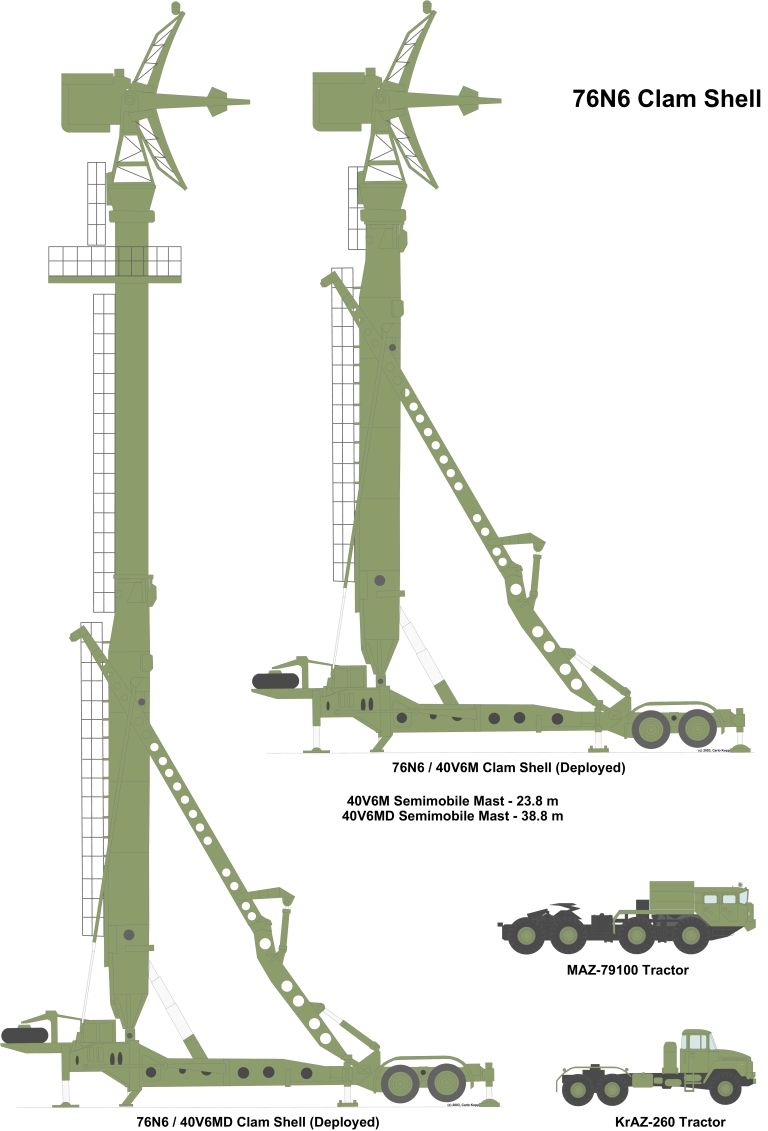
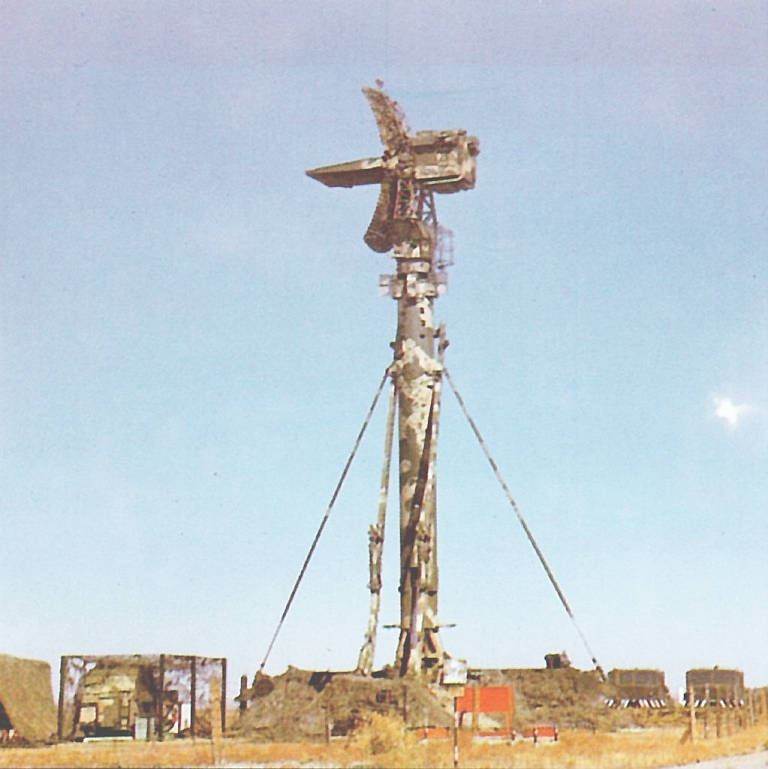
SA-10A Grumble. 36D6/ST-68UM/5N59 Tin Shield (РАДИОЛОКАЦИОННАЯ СТАНЦИЯ)Two search and acquisition radars
were introduced to support the S-300PT, both with 360 degree coverage.
The 3D 36D6/ST-68UM/5N59 Tin Shield was used for high and medium
altitude targets, and the 2D 76N6 Clam Shell for low altitude low RCS
targets.
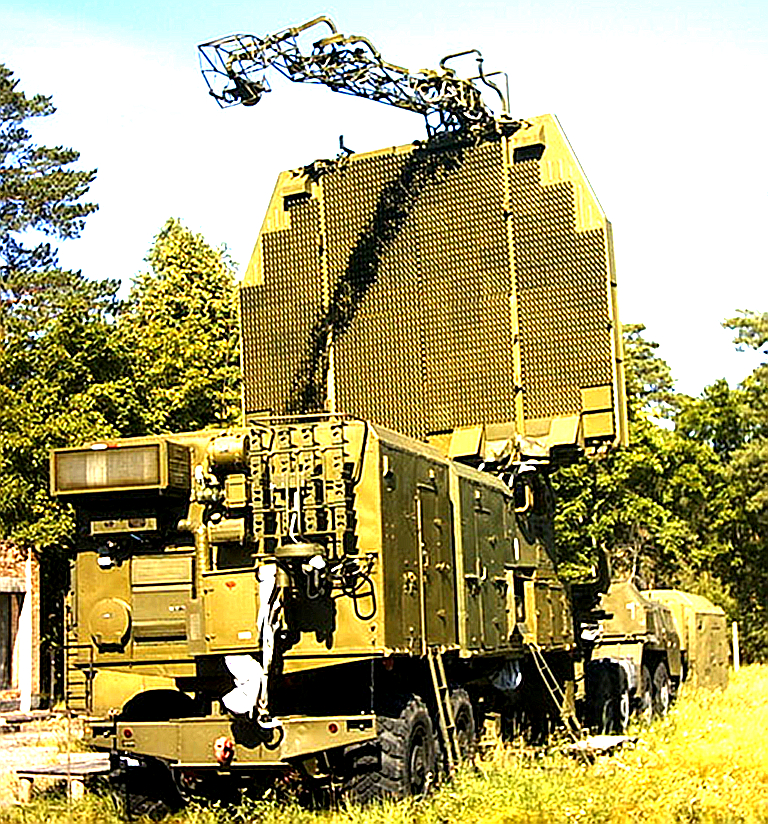
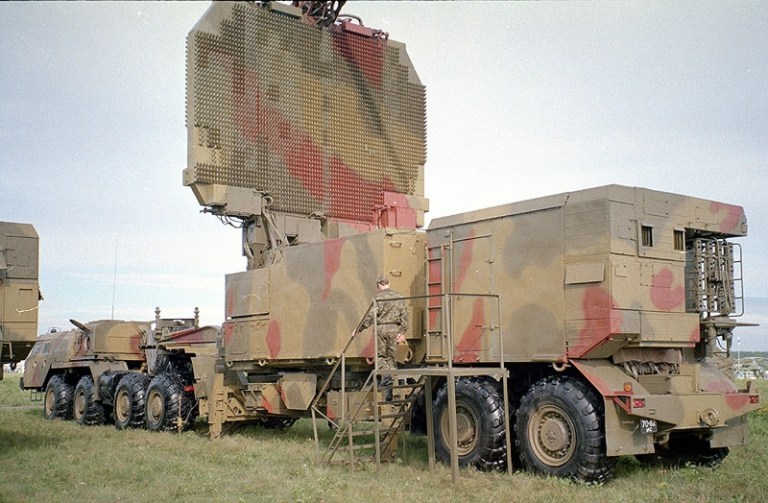
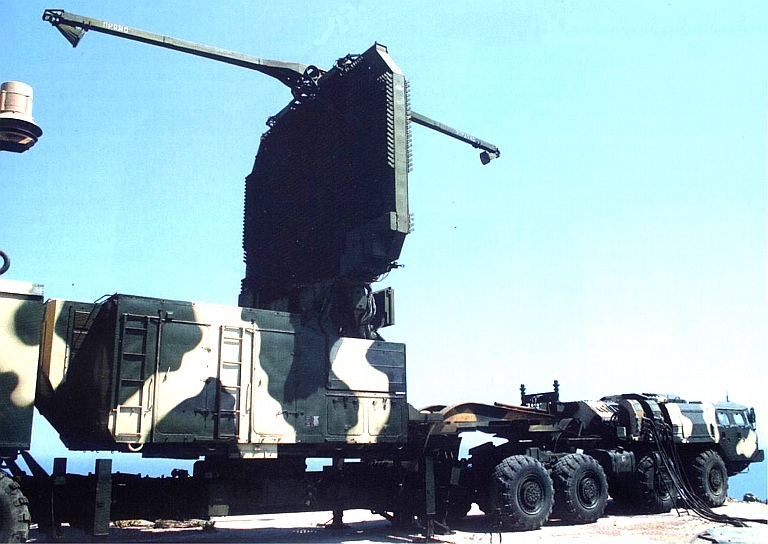
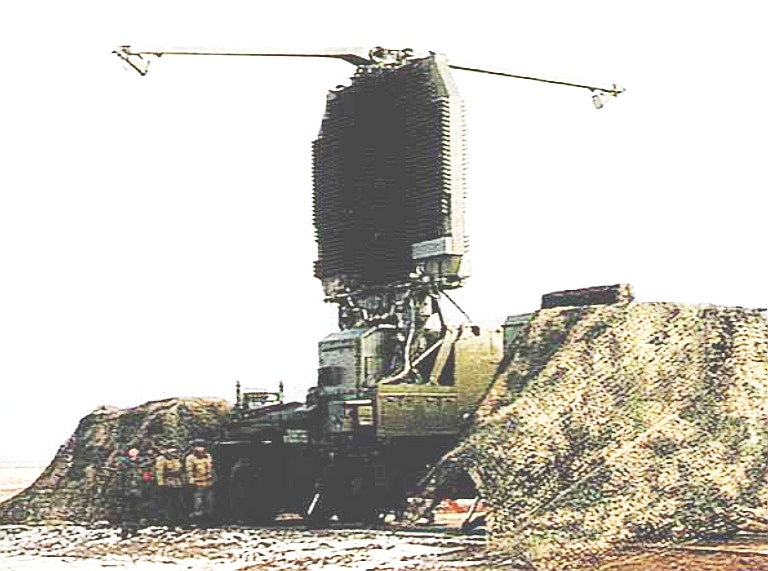
36D6
Tin
Shield The 36D6 Tin Shield is semimobile
and towed by a KrAZ-255 or -260 tractor, it can be deployed or stowed
in
one hour, or two with the mast. The design uses a large paraboloid
cylindrical section primary reflector and a linear element array
deployed on a pair of booms to provide electronic beam steering in
elevation from -20 to +30 degrees, the antenna can perform a full 360
degree sweep in 5 to 10 seconds. With a transmitter peak power rating
cited between 1.23 MegaWatts and 350 kiloWatts, the manufacturer claims
the ability to detect a 0.1 square metre RCS target at 300 ft AGL out
to
24.8 nautical miles, and at medium to high altitudes to 94.5 nautical
miles. Clutter rejection is claimed to exceed 48 dB, and the system can
track 100 targets. An IFF system is integrated in the radar. LEMZ
5N66/5N66M/76N6 Clam Shell (низковысотный
обнаружитель)
|
||||||||||||||||||||||||||||||||||||
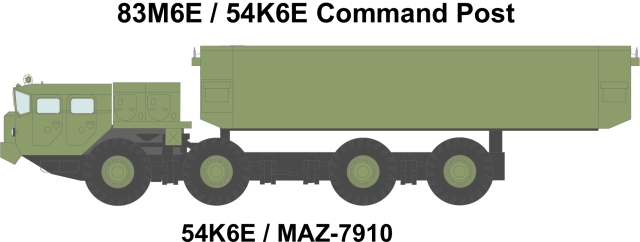
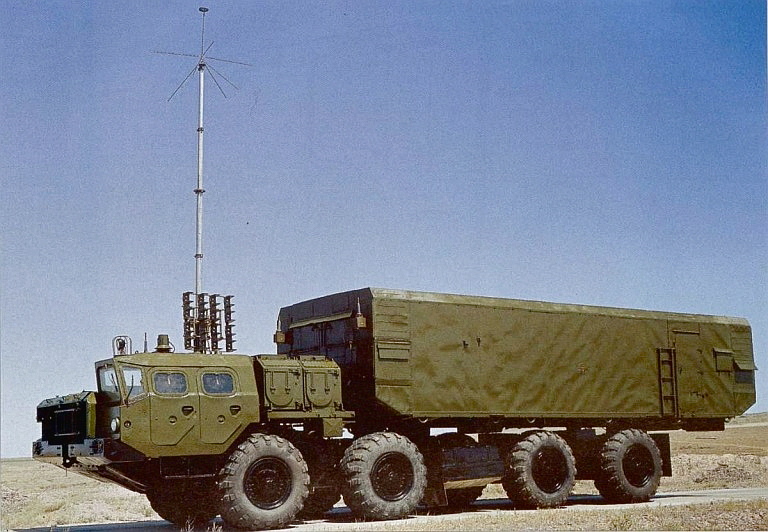 54K6E
Command
Post
|
||||||||||||||||||||||||||||||||||||
Almaz S-300PS / SA-10B Grumble BСамоходный Зенитный
Ракетный Комплекс
С-300ПС
|
||||||||||||||||||||||||||||||||||||
Almaz S-300PMU / SA-10B/C Grumble B/CСамоходный Зенитный Ракетный Комплекс С-300ПМУThe first export variant of the
S-300P series was the S-300PMU/SA-10C,
which was in most respects identical to the Soviet S-300PS/SA-10B and
made available in 1989. The system may be labelled in Western
literature either as an export SA-10B or SA-10C.
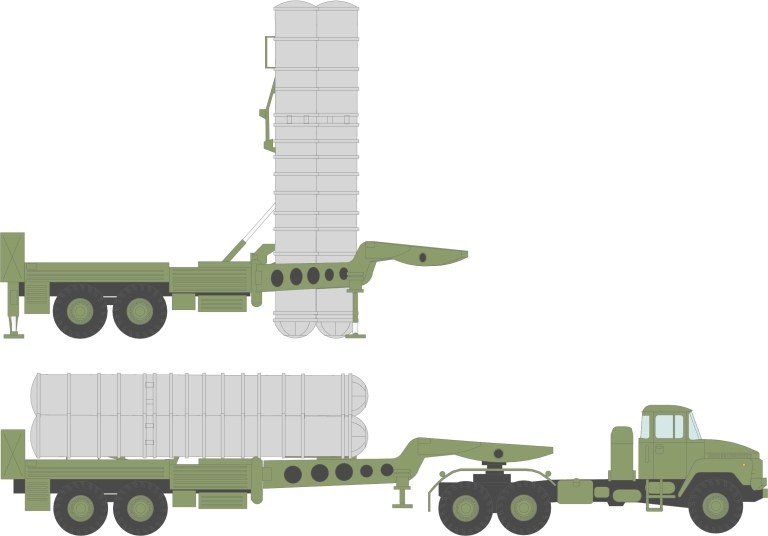
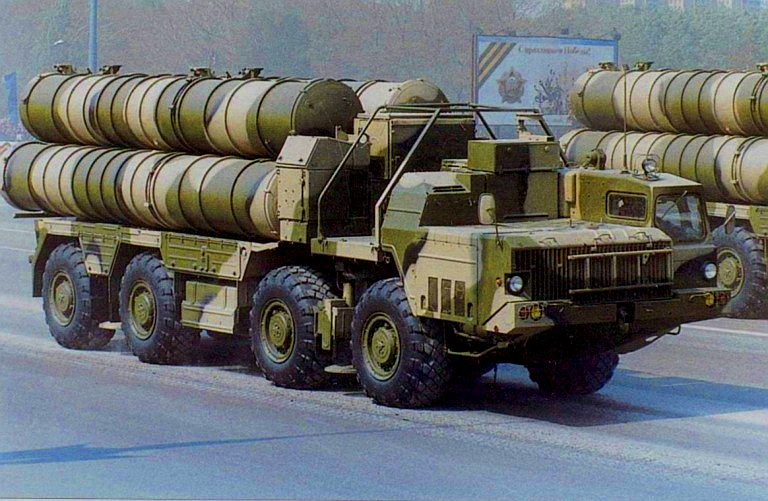
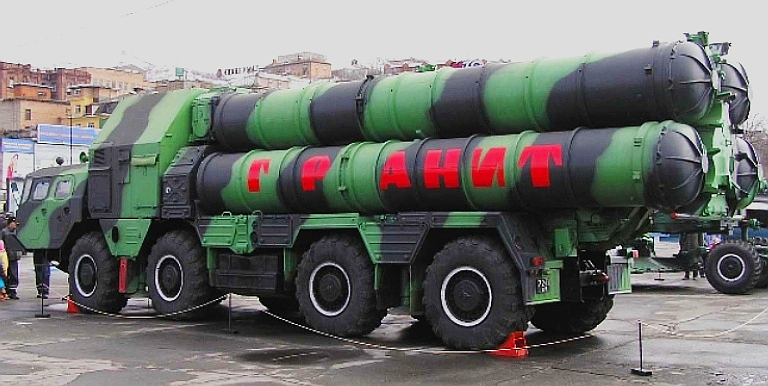
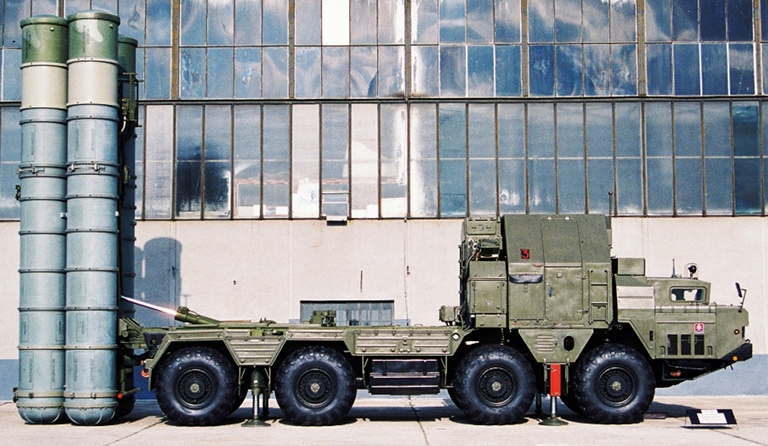
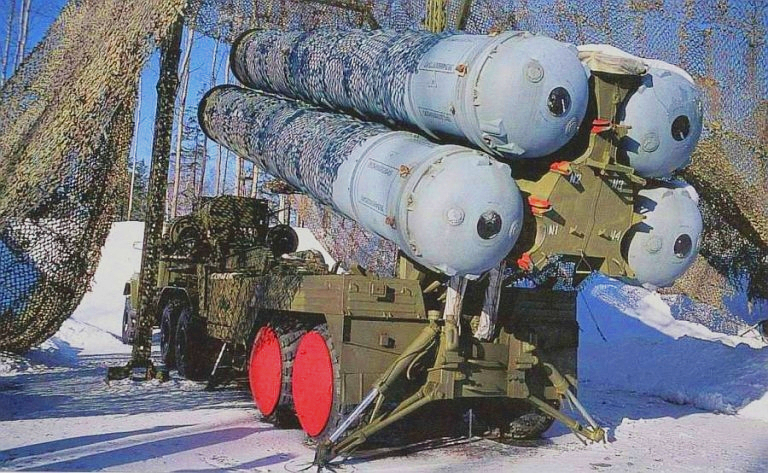
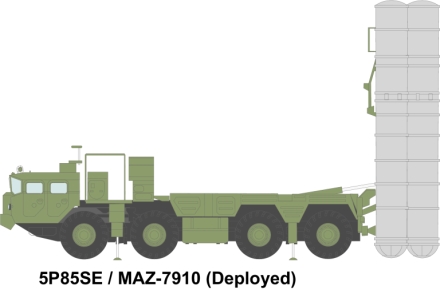
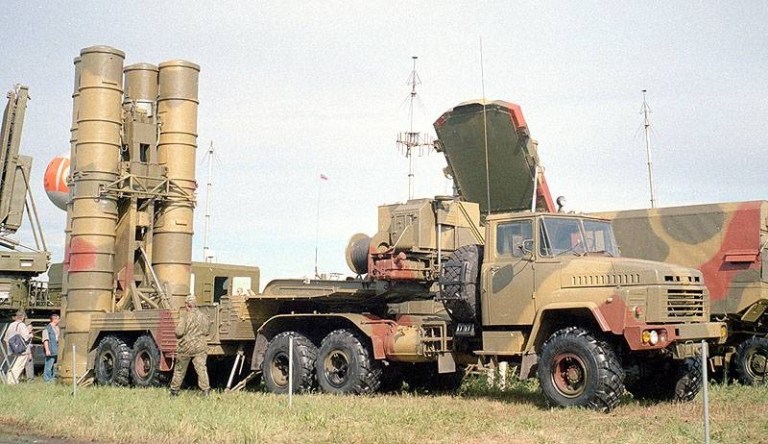 5P85TE
TEL
Deployed
The S-300PMU was also supplied
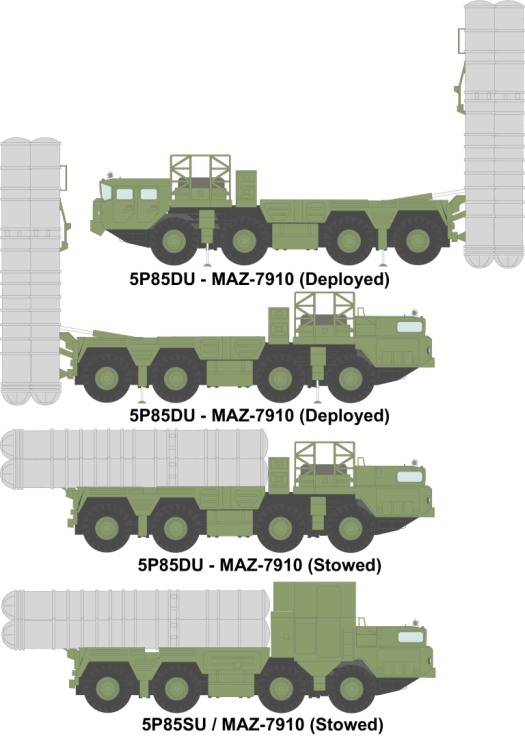
with variants of the S-300PS MAZ-7910 based TELs, these being
designated 5P85SU/DU respectively. A battery was equipped with up to
four 83P6 fire units, comprising in total twelve (4 x 1 + 2)
5P85S/5P85D (SU/DU export variant)
TELs, each with four 5V55 rounds.
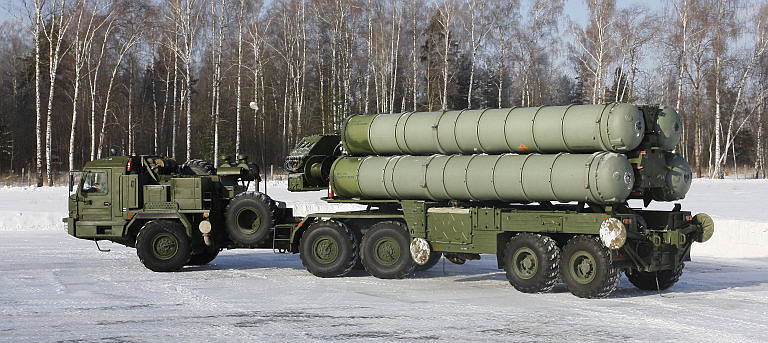
5P85TE Transporter Erector Launcher Technical Analysis [Click for more ...] 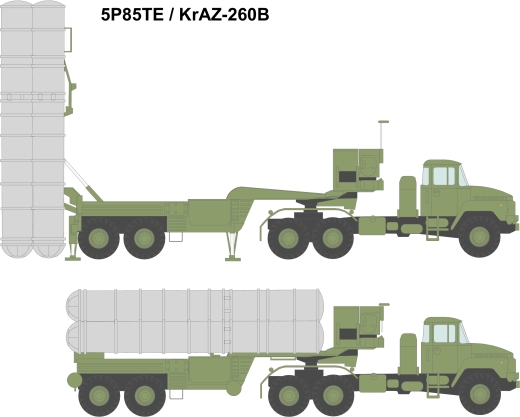 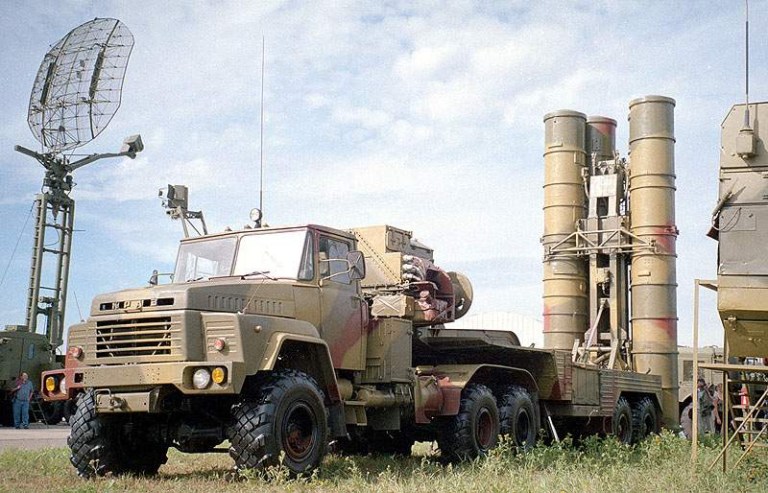
5P85TE
TEL
Deployed
|
||||||||||||||||||||||||||||||||||||
Almaz S-300PM/PMU1 /
SA-20A Gargoyle A
|
||||||||||||||||||||||||||||||||||||
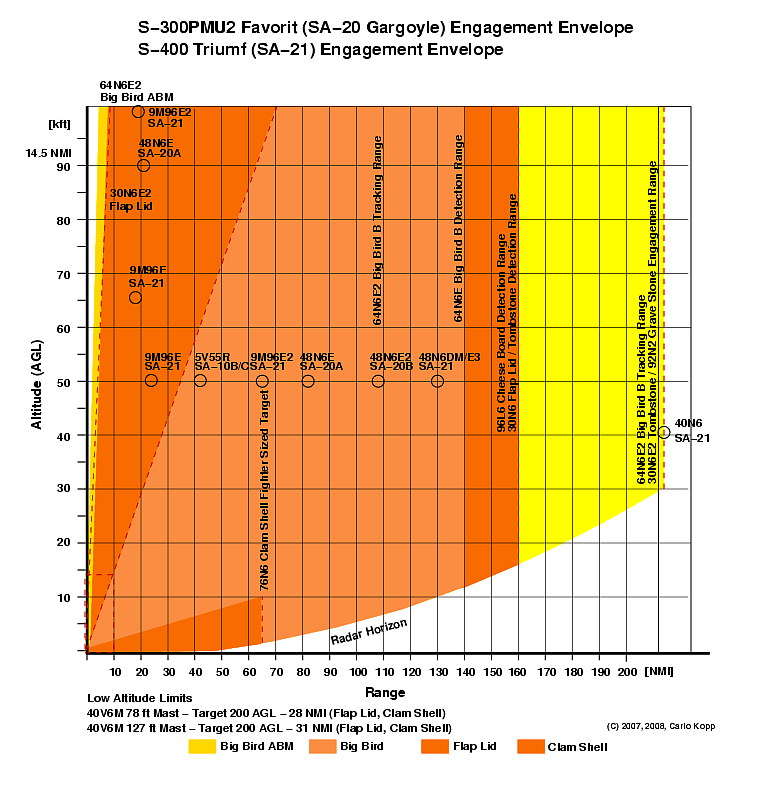 Provisional
data
-
Russian
sources.
|
||||||||||||||||||||||||||||||||||||
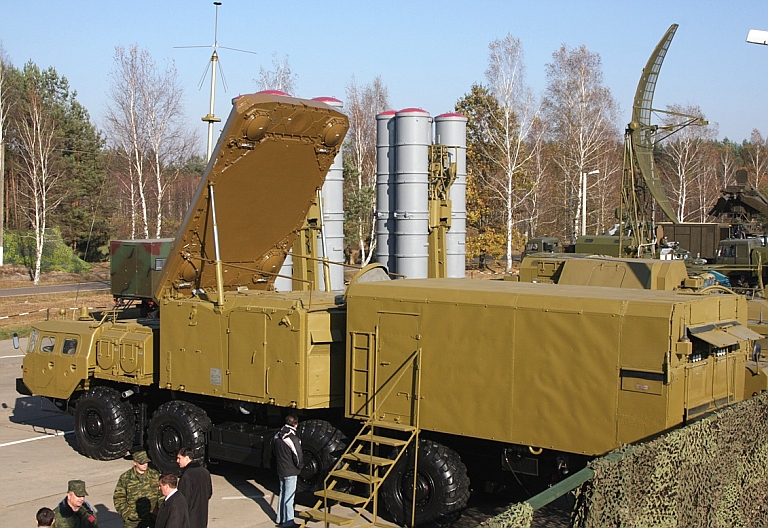
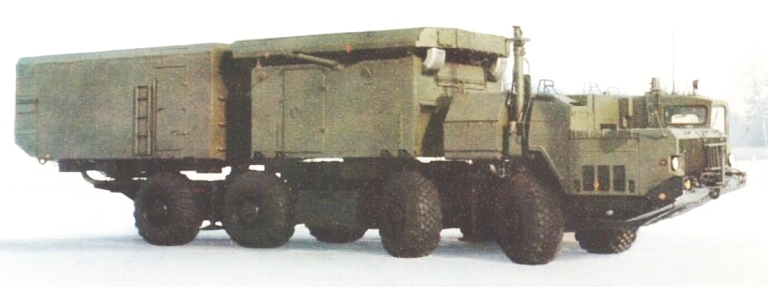
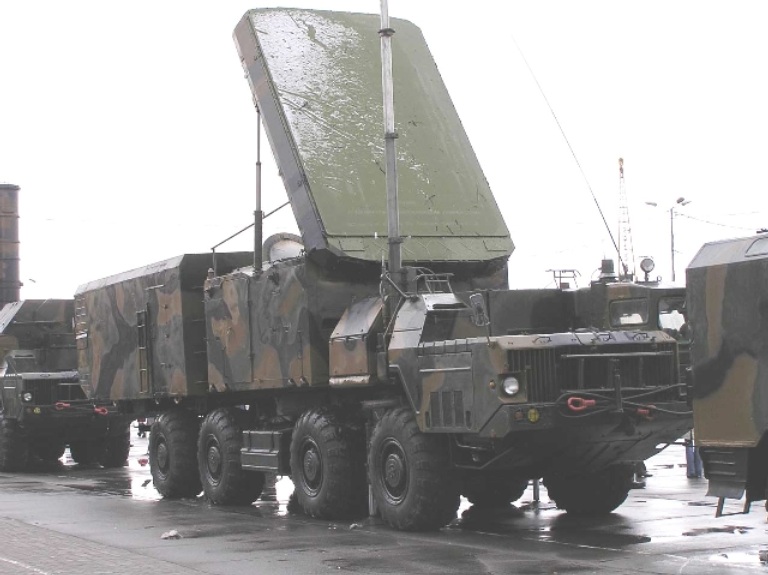
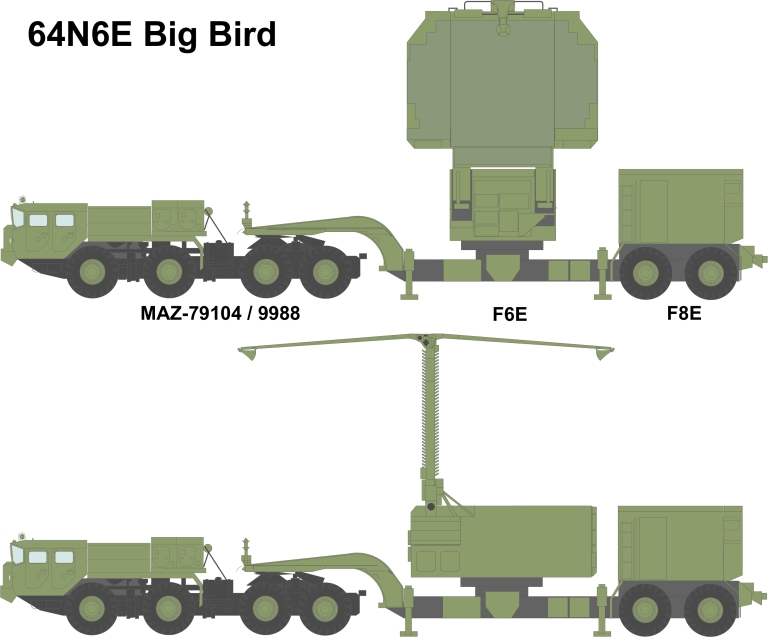
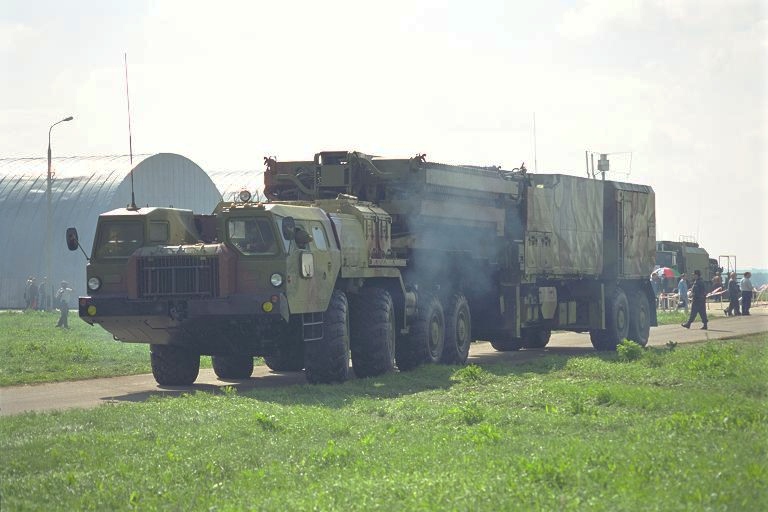
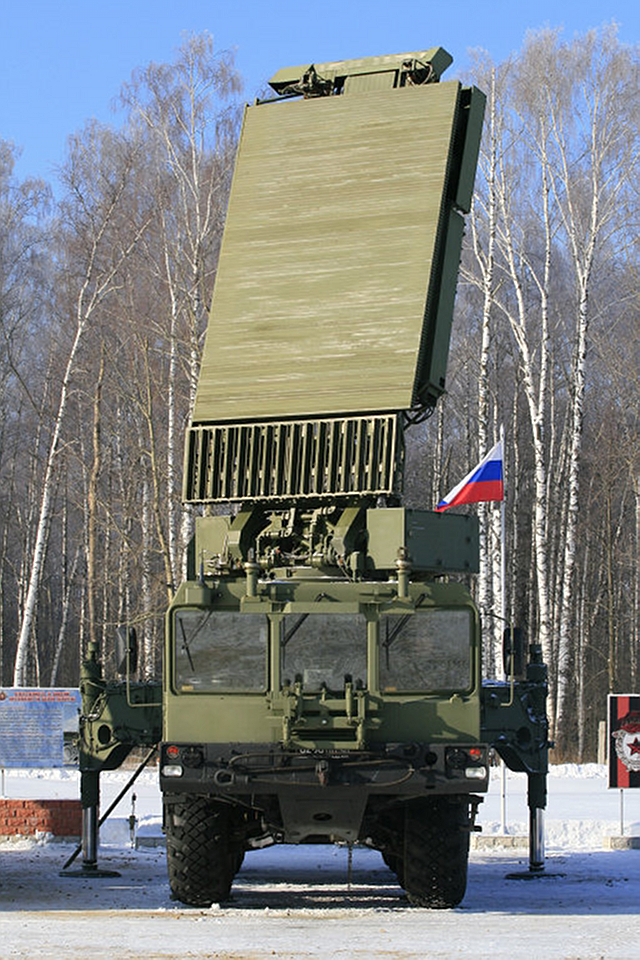
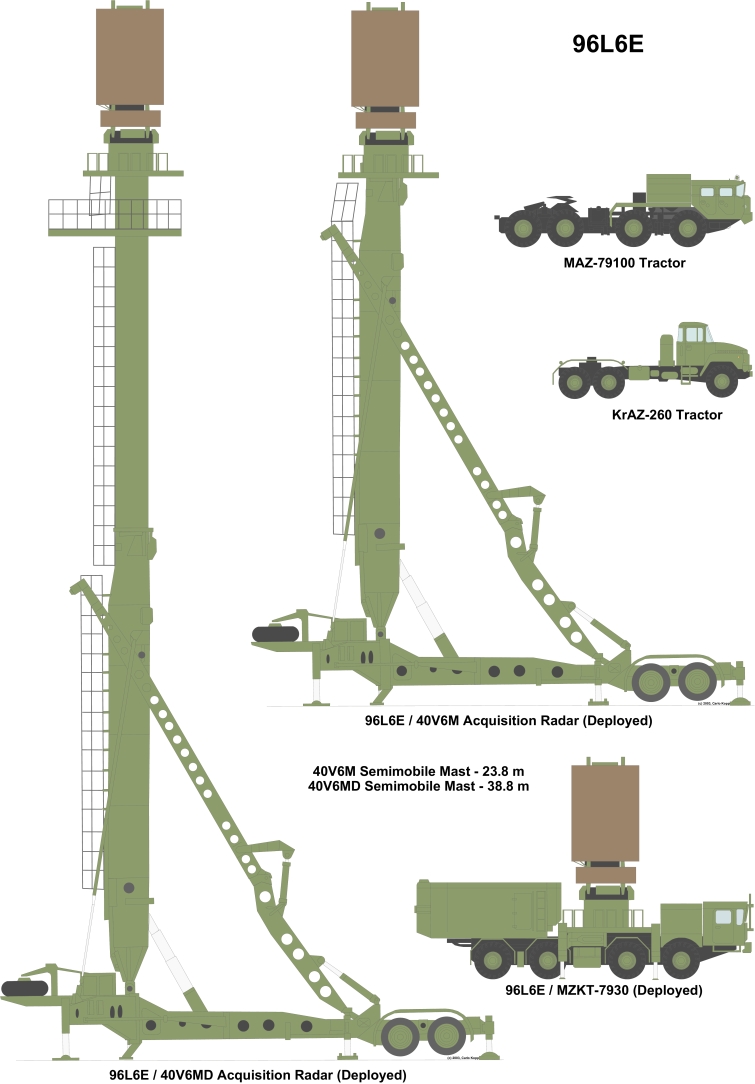
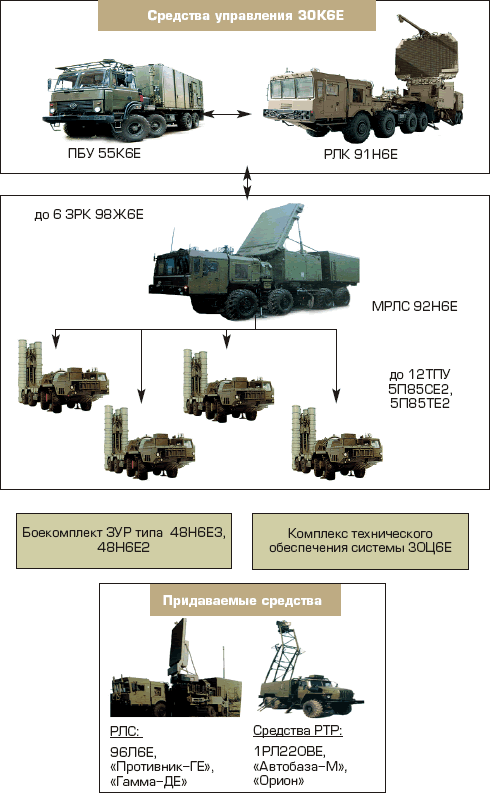
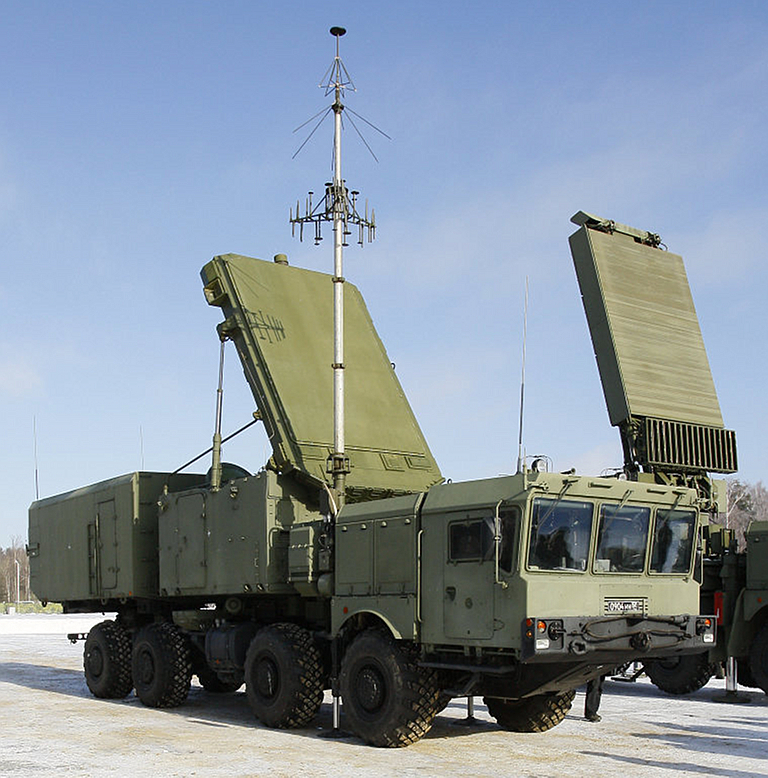
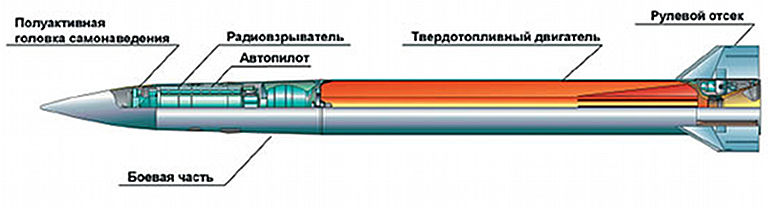
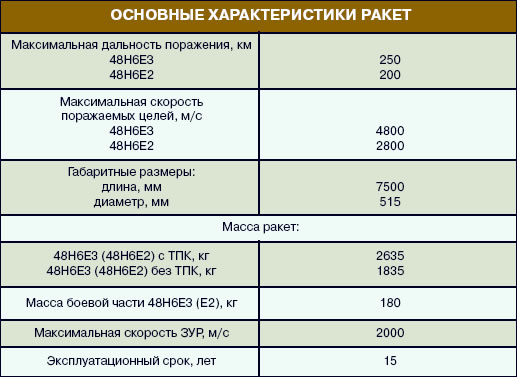
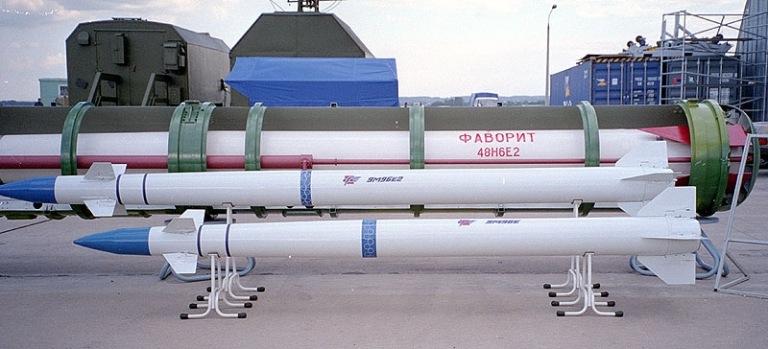
Almaz S-300PMU2 Favorit / SA-20B GargoyleСамоходный Зенитный Ракетный Комплекс С-300ПМУ2 'Фаворит'Further evolution of the S-300P design took place between 1995 and 1997, yielding the S-300PMU2/SA-10E Favorit system, later redesignated SA-20B Gargoyle, intended to compete directly against the Antey S-300V and Patriot PAC-2/3 systems as an Anti-Ballistic Missile system. The Favorit incorporates incrementally upgraded 30N6E2 Tomb Stone, 64N6E2 Big Bird radars and a 54K6E2 command post, and the 96L6E as its early warning and primary acquisition system. While the system retains compatibility with earlier 48N6 missiles, a new extended 108 nautical mile range 46N6E2 missile was added. The Favorit's new command post has the capability to control S-300PMU / SA-10B/C, S-300PMU1 / SA-20A batteries, and also S-200VE/SA-5 Gammon batteries, relaying coordinates and commands to the 5N62VE Square Pair guidance and illumination radar. While the Favorit superficially appears like the SA-20A, it has a wide range of incremental improvements internally, and a range of optimisations to improve performance in the Anti-Ballistic Missile role. Almaz, the system integrators, and Fakel, the missile designers, claim to have repeatedly caused Scud target vehicle warheads to detonate during test intercepts at the Kapustin Yar range in 1995. 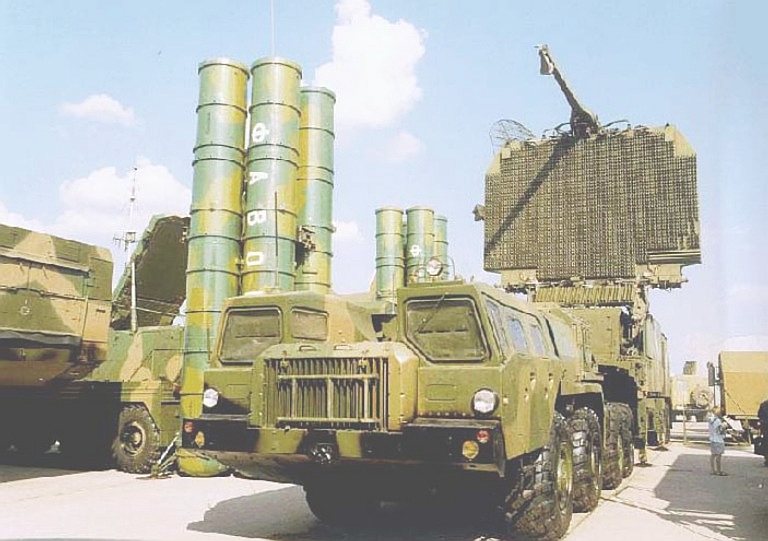 64N6E2 Big Bird deployed.
|
||||||||||||||||||||||||||||||||||||
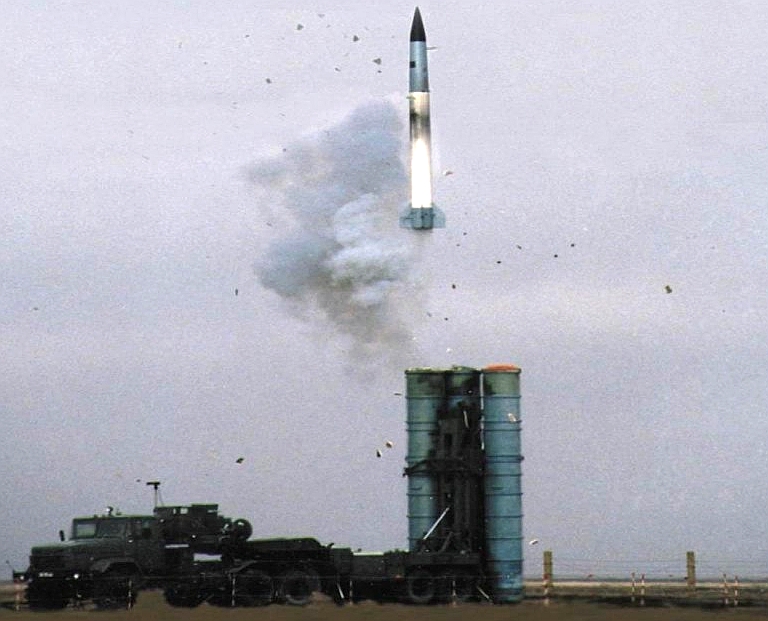
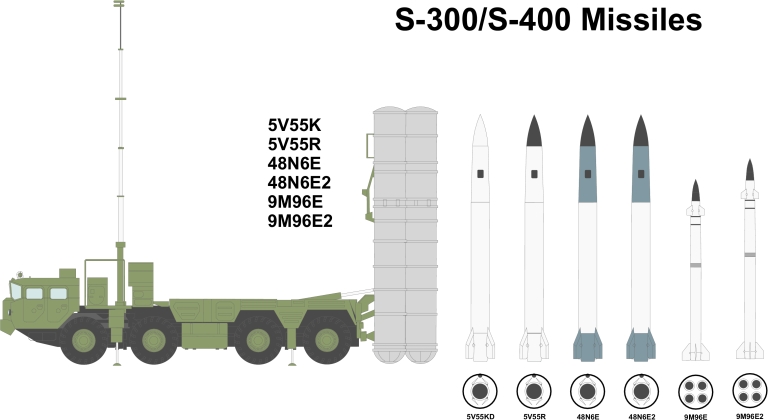
 S-400
5P85SE
demonstrator
TEL
with
quad 9M96E launch tubes (image © Miroslav
Gyűrösi).
|
||||||||||||||||||||||||||||||||||||
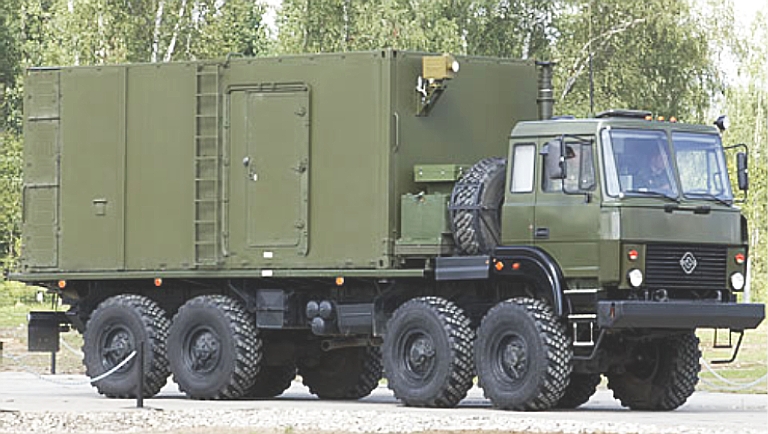
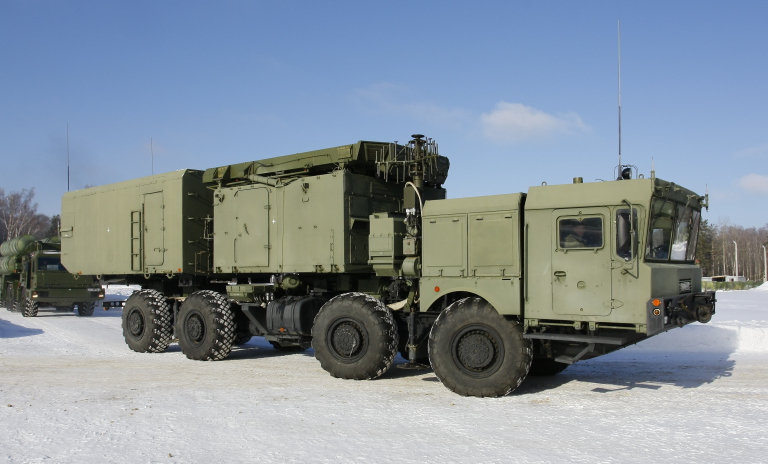
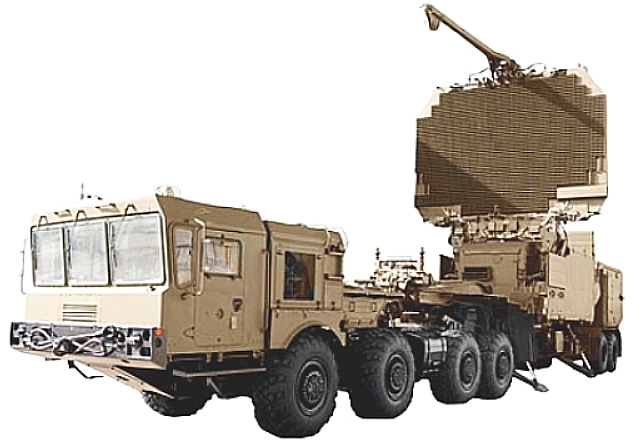
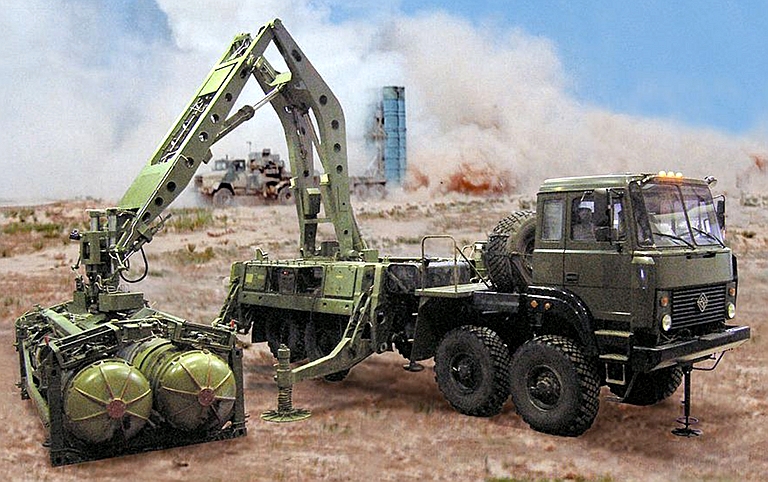
Technical Analysis of S-300P/S-400 Support Vehicles [Click here ...] |
||||||||||||||||||||||||||||||||||||
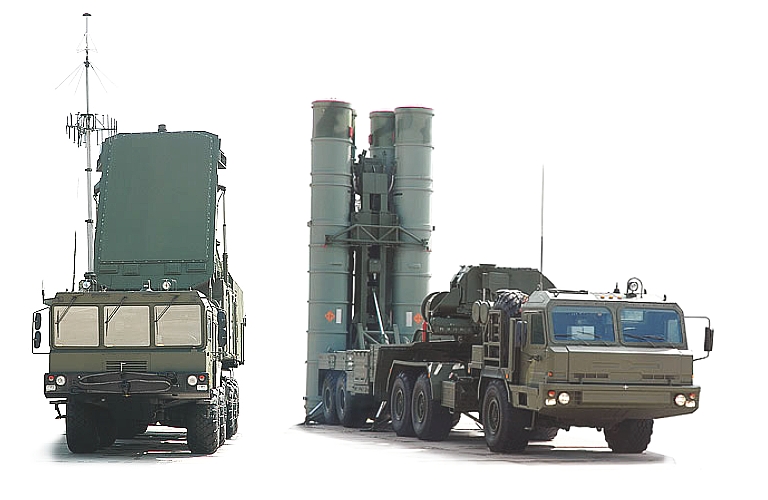
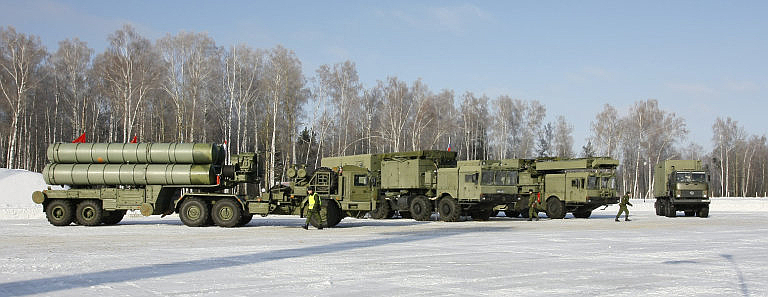 S-400
Triumf
/
SA-21
battery
components (© 2010, Yevgeniy Yerokhin, Missiles.ru)
Almaz-Antey S-400
Triumf / SA-21
|
| 9M96E | 9M96E2 | |
| Target engagement
envelope, km: Range: minimum maximum |
1 40 |
1 120 |
| Altitude: minimum maximum |
0.005 20 |
0.005 30 |
| Weight, kg: missile warhead container with four missiles |
333 24 2,300 |
420 24 2,700 |
| Average velocity, m/s | 750 | 1,000 |
| First shot hit
probability: piloted target unpiloted target target═s payload |
0.9 0.8 0.7 |
0.9 0.8 0.7 |
| Russian
Designation |
Original
Designation |
Revised
Designation |
Notes |
| S-300P/PT |
SA-10A
Grumble
A |
SA-10A
Grumble
A |
|
| S-300PS |
SA-10B
Grumble
B |
SA-10B
Grumble
B |
|
| S-300PM/PMU |
SA-10C
Grumble
C |
SA-10C
Grumble
C |
|
| S-300PMU1 |
SA-10D
Grumble
D |
SA-20
Gargoyle
(A) |
|
| S-300PMU2
Favorit |
SA-10E
Grumble
E |
SA-20
Gargoyle
(B) |
|
| S-400
Triumf |
- |
SA-21
Growler
(A) |
|
| S-300V |
SA-12A/B |
SA-12A/B |
|
| S-300VM/Antey-2500 |
SA-12A/B |
SA-23A/B |
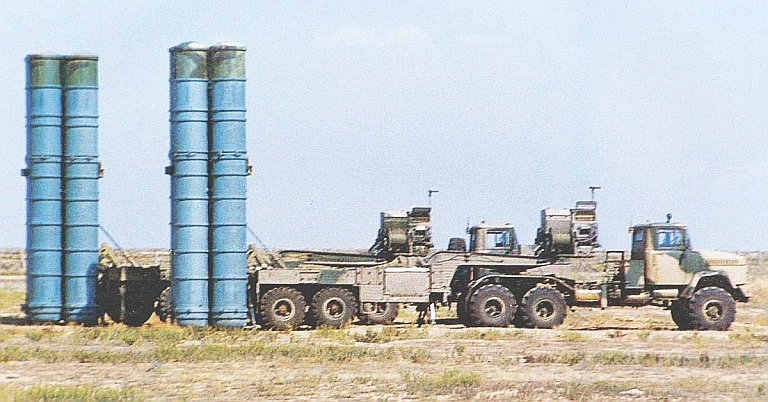


|
|||||||||||||
|
|
|
|
|
|
|
|
|
|
|
|||
|
|
|
|
|
|
|
|
|
|
|
|||
 |
|
|
|||||||||||
| Artwork, graphic design, layout and text © 2004 - 2014 Carlo Kopp; Text © 2004 - 2014 Peter Goon; All rights reserved. Recommended browsers. Contact webmaster. Site navigation hints. Current hot topics. | |||||||||||||
|
Site Update
Status:
$Revision: 1.753 $
Site History: Notices
and
Updates / NLA Pandora Archive
|
|||||||||||||
|
|
Tweet | Follow @APA_Updates | |||||||||||
|
|
|||||||||||||
|
|
|||||||||||||








![[1]](PVO-S/5P85TE2-TEL-BAZ-64022-2S.jpg)
![[2]](PVO-S/5P85TE2-TEL-BAZ-64022-3S.jpg)